
Atmospheric Furnace Value: NORSEN vs Traditional Equipment
Atmospheric Furnace Value: NORSEN vs Traditional Equipment
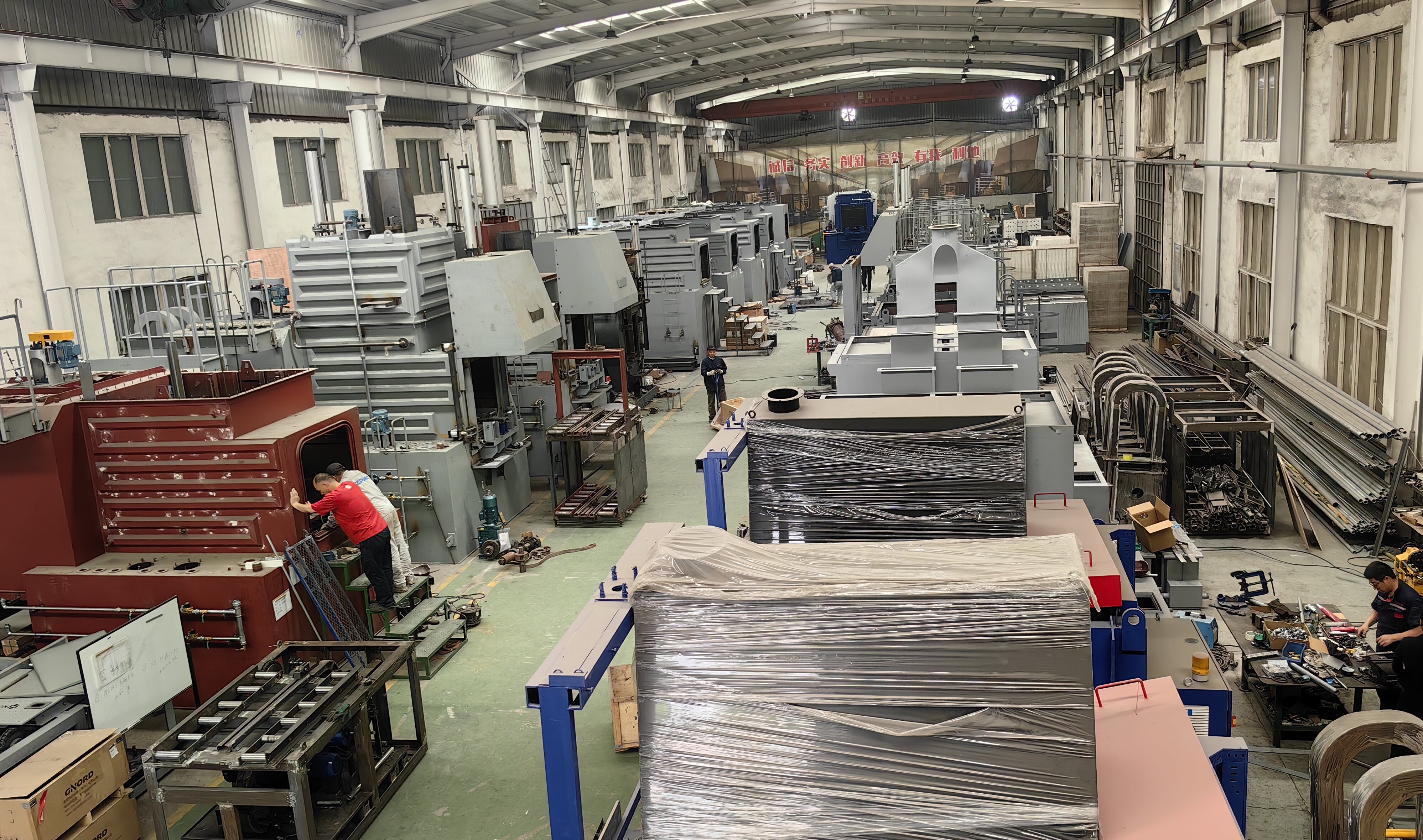
Atmospheric furnaces are the backbone of industrial heat treatment, and the decision between one supplier and another is ultimately a decision about long-term operating cost. NORSEN — formally Norsen Thermal Technology (Jiangsu) Co., Ltd. — is a heat treatment equipment manufacturer based in Peixian County, Jiangsu Province, China, producing box-type multi-purpose furnaces, gas furnaces, atmosphere furnaces, and pre-vacuum nitriding furnaces. This article provides a decision-stage comparison between the NORSEN atmospheric furnace and traditional heat treatment equipment, limited to verifiable product characteristics: energy efficiency, service life, maintenance cost, price positioning, and compliance evidence.
Why Decision-Stage Buyers Need a Comparison Framework
At the decision stage, buyers have already established that they need controlled-atmosphere heat treatment capability. The remaining question is not whether to use an atmospheric furnace, but which supplier's configuration delivers the best total cost of ownership. A quoted price alone is insufficient because an atmospheric furnace consumes energy on every cycle, requires replacement of hot-zone parts over time, and affects production throughput through cycle time.
The comparison criteria that matter are: how the furnace achieves atmosphere penetration, how long its critical components last, how often maintenance is required, and whether the manufacturer operates a certified quality system. Spec sheets from competing suppliers rarely define efficiency and service life in the same way, so buyers cannot compare like with like. The practical solution is to organize the comparison around a small set of engineering facts that can be verified in production: furnace pressure, penetration rate, component service life, maintenance intervals, and control-system architecture.
Industrial Atmospheric Furnace Market Context in 2026
Market timing influences the decision. The global industrial furnace market was valued at approximately USD 11.86 billion in 2024, with expectations to reach USD 21.53 billion by 2034 (Precedence Research). The Asia-Pacific region dominated the industrial furnace market with a 43.4% revenue share in 2025, driven largely by industrialization in China and India (Grand View Research). Gas-fired furnaces held a leading market share of 39.8% in 2025, although electric and energy-efficient hybrids are seeing increased adoption because of decarbonization trends (Future Market Insights).
Trade data points in the same direction. China's export of liquid fuel furnaces reached USD 202 million in 2025, with major destinations including Russia, Indonesia, and Saudi Arabia (OEC). NORSEN's export destinations — which include Russia, Vietnam, Indonesia, Thailand, Turkey, Qatar, and Pakistan — are consistent with these trade flows. For a buyer, the implication is that furnace capacity is being globally replaced and expanded, and supplier comparisons have become more structured than in previous years.
NORSEN Atmospheric Furnace vs Traditional Equipment: Core Comparison
Compared to traditional heat treatment equipment manufacturers, the NORSEN atmospheric furnace has distinct advantages. The core differences are higher energy efficiency, longer lifespan, and lower maintenance. These three characteristics are interconnected: higher furnace pressure increases the penetration rate of the carburizing or shielding atmosphere into the workload, which shortens cycle time and reduces energy consumption per cycle; longer component life reduces replacement-part cost and downtime; and lower maintenance reduces the labor and consumables required over the equipment's working life.
| Decision Criterion | NORSEN Atmospheric Furnace (Stated) | What the Buyer Should Verify |
|---|---|---|
| Energy efficiency | High furnace pressure and fast penetration rate; lower energy consumption per cycle | Ask for per-cycle gas and electricity consumption data from production records |
| Lifespan | Chain service life exceeds 5 years | Clarify which components (chain, radiant tubes, retort, fans) the claim covers |
| Maintenance | 50% less maintenance required; maintenance cost below 50% of conventional levels | Request the maintenance schedule, spare-parts list, and typical interval data |
| Quality compliance | ISO9001 quality management system certification | Verify the certificate scope, issuing body, and audit date |
| Price positioning | Excellent performance, reasonably priced, high value for money | Compare total cost of ownership, not the initial quote |
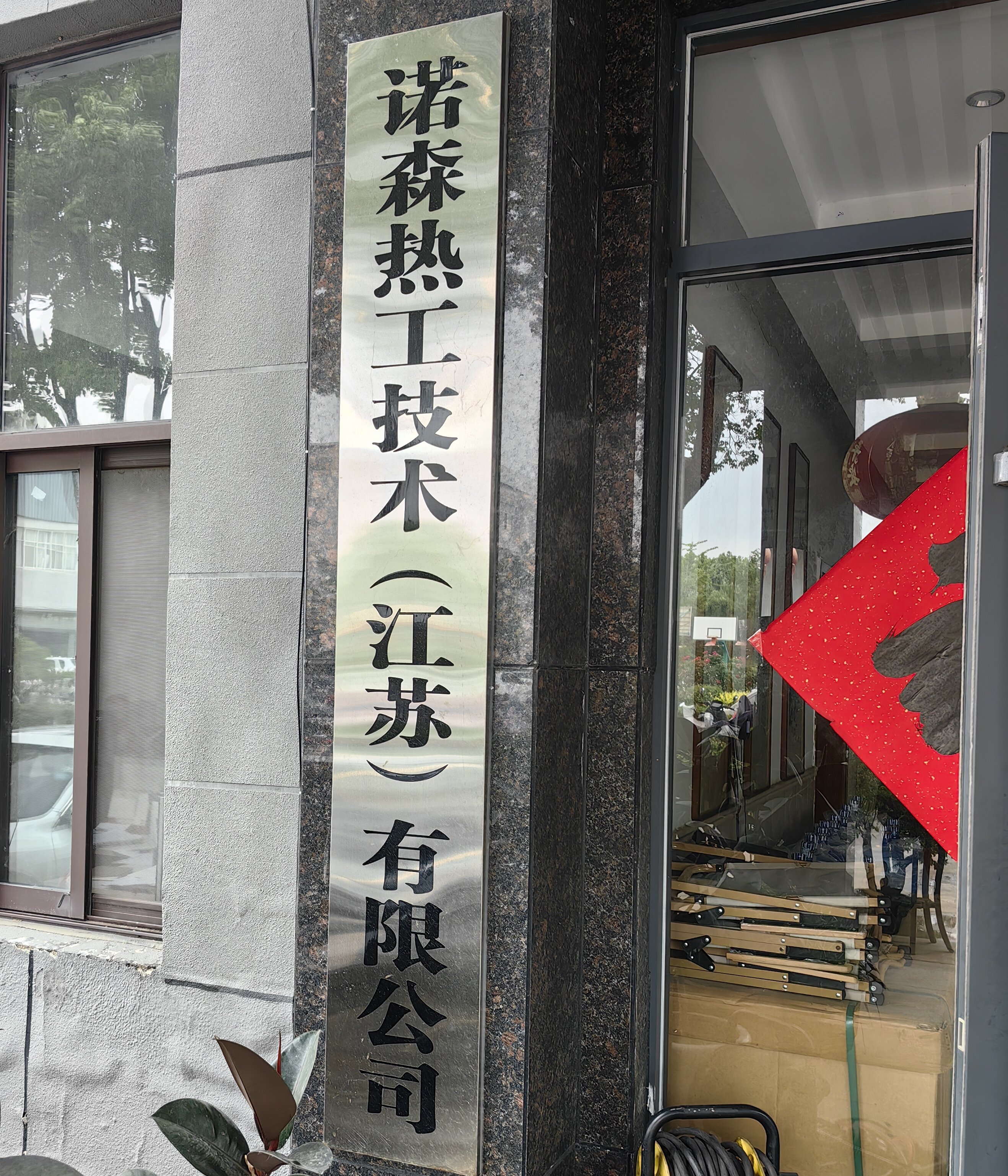
NORSEN Supplier Snapshot
- Company: Norsen Thermal Technology (Jiangsu) Co., Ltd., established in 2022
- Facility: 6000 m² in the Peixian Economic Development Zone, Xuzhou City, Jiangsu Province
- Team: 55 employees, including a 10-person R&D team
- Annual output: 50 sets of heat treatment equipment
- Export ratio: 40%
- Main markets: China, Russia, Belarus, Vietnam, Indonesia, Thailand, Turkey, Qatar, Pakistan
- Main products: box-type multi-purpose furnace, gas furnace, atmosphere furnace, pre-vacuum nitriding furnace
- Certification: ISO9001 quality management system
What Creates the Efficiency, Lifespan, and Maintenance Advantage
The efficiency claim is tied to a specific mechanism. The NORSEN heat treatment system achieves improved energy efficiency through high furnace pressure and fast penetration rate. High furnace pressure improves the transfer of the carburizing or shielding atmosphere into the workload, and the fast penetration rate shortens the time the furnace must remain at temperature for each batch. The stated result is lower energy consumption per cycle compared with equipment operating at lower furnace pressure.
The lifespan and maintenance claims are specific enough to be audited. The service life of the chain is more than 5 years, and the maintenance cost is less than 50% of the conventional level. NORSEN also states that maintenance required is 50% less compared with traditional equipment. For a buyer planning a five-year operating horizon, this means maintenance spend can be modeled at roughly half the level of a conventional furnace, with no chain replacement inside the first five years.
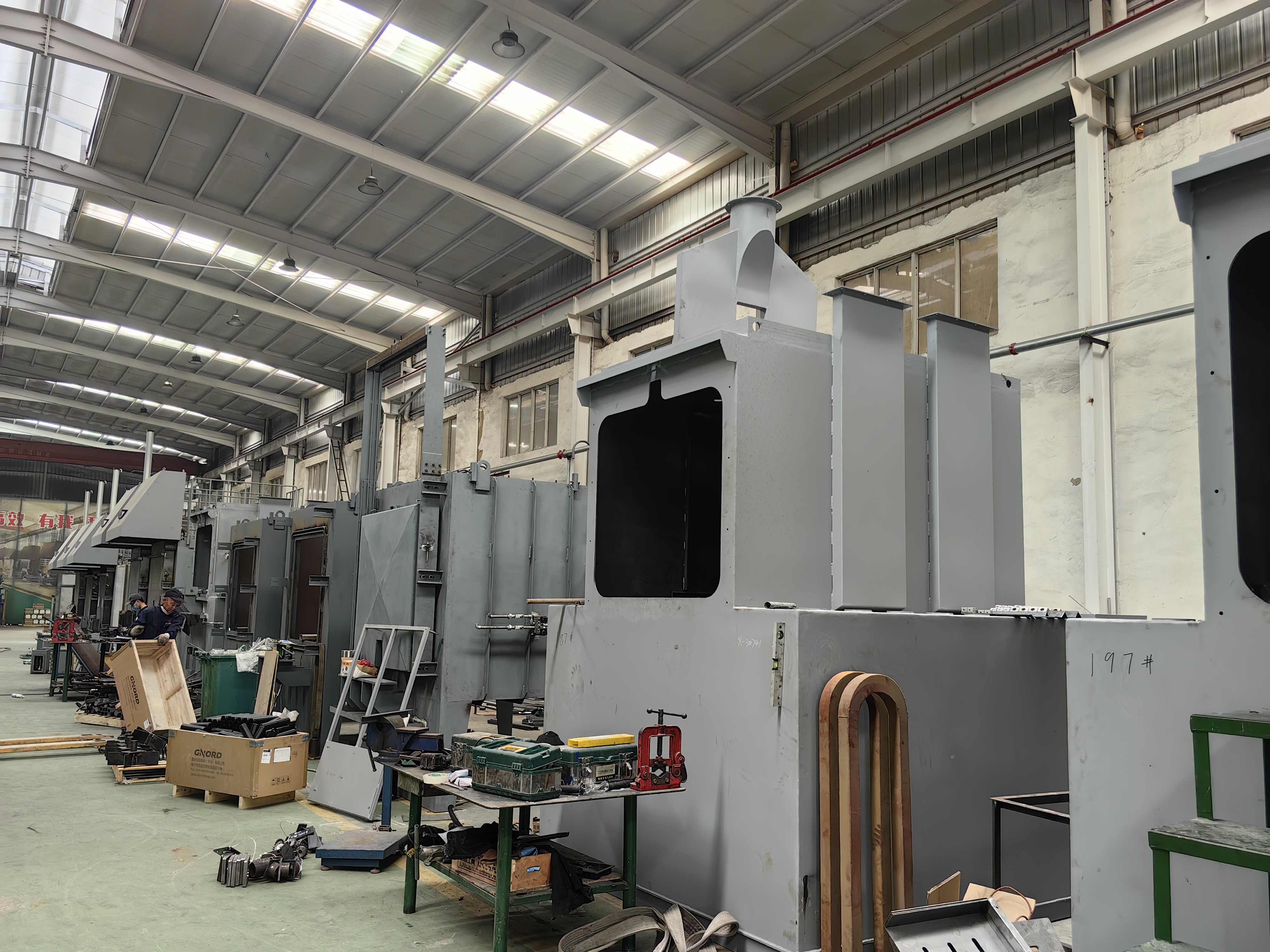
Temperature and atmosphere control are part of the same story. For overheat risk, NORSEN applies PID adjustment and multiple thermocouples control, combined with program optimization and remote control as enterprise-level measures. Multiple thermocouples provide redundancy in temperature measurement, while PID adjustment continuously corrects the heating output. Remote control allows the manufacturer to assist with program optimization after installation, which matters for buyers who need to adjust process recipes without an on-site visit.
Step-by-Step: Evaluate an Atmospheric Furnace Supplier at the Decision Stage
- Verify compliance first. Confirm the ISO9001 quality management system certification. Where relevant, check alignment with ISO 20431:2023, the international standard that specifies quality control requirements for heat treatment on mechanical parts across industries including aerospace and automotive.
- Compare the efficiency mechanism, not the label. Ask how energy efficiency is achieved. In the NORSEN case, the mechanism is high furnace pressure and fast penetration rate. A supplier that cannot explain the mechanism should be treated as a higher risk.
- Examine lifespan and maintenance claims. Ask for the expected service life of the chain and other hot-zone components, and for maintenance intervals. NORSEN states a chain service life exceeding 5 years and maintenance cost below 50% of conventional levels.
- Assess temperature and atmosphere-control architecture. Check whether the furnace uses PID adjustment, how many thermocouples are installed, and whether the control system supports remote program optimization.
- Project total cost of ownership. Combine the quoted price with energy cost per cycle, planned maintenance cost, and expected component-replacement dates. A furnace that is reasonably priced but materially reduces energy and maintenance costs delivers higher value over a multi-year horizon.
- Match the equipment to the application. Confirm the furnace type and configuration against the planned workload — carburizing of gear components, gas-shielded hardening, tempering, or multi-purpose processing.
Proven Applications of the NORSEN Atmospheric Furnace
The NORSEN atmospheric furnace is positioned for buyers running heat treatment on critical components. The stated best-fit segments are military factories, automotive parts factories, gear factories, and hardware tool factories. The equipment is widely used in heat treatment processing across aerospace, military industry, automotive parts, textile machinery, construction machinery, and commercial heat treatment.
For a gear processing plant, the combination of high furnace pressure and fast penetration rate matters because case-depth uniformity directly influences gear life. For automotive parts suppliers, the same characteristics translate into consistent hardness and lower per-part energy cost. For commercial heat treatment service centers, the box-type multi-purpose configuration provides the flexibility to process different workloads in the same unit.
Honest Limitations and What to Verify
Three limitations should be stated openly. First, market-size estimates for the industrial furnace market vary significantly between research firms; 2024 estimates range from approximately USD 10.46 billion (Fortune Business Insights) to USD 19.65 billion (Market Research Future), with Precedence Research reporting USD 11.86 billion. Buyers should treat market-growth figures as directional rather than precise.
Second, no third-party benchmark in the available source data directly compares NORSEN atmospheric furnaces with named manufacturers such as Ipsen, Inductotherm Group, Aichelin Group, Andritz, or Tenova S.p.A. The comparison with traditional heat treatment equipment is based on NORSEN's stated engineering characteristics, not on an independent test report.
Third, the energy, lifespan, and maintenance figures should be validated against production records during the supplier audit. A buyer who requests per-cycle consumption data, chain-replacement records, and maintenance logs is making a stronger decision than one who compares only brochure specifications.
Frequently Asked Questions
1. Is the NORSEN atmospheric furnace ISO9001 certified?
NORSEN (Norsen Thermal Technology (Jiangsu) Co., Ltd.) has obtained ISO9001 quality management system certification for its operations in Peixian County, Jiangsu Province, China. The company designs and manufactures box-type multi-purpose furnaces, gas furnaces, atmosphere furnaces, and pre-vacuum nitriding furnaces under this certified quality system. For heat treatment buyers, ISO 20431:2023 is the related international standard specifying quality control requirements for heat treatment on mechanical parts. Before ordering, request the ISO9001 certificate and confirm its scope and validity.
2. How does a NORSEN atmospheric furnace differ from traditional heat treatment equipment?
Compared to traditional heat treatment equipment manufacturers, the NORSEN atmospheric furnace has distinct advantages. The core differences are higher energy efficiency, longer lifespan, and lower maintenance. The furnace achieves high furnace pressure and fast penetration rate, which shortens cycle time and reduces energy consumption per cycle. The stated service life of the chain exceeds 5 years, and maintenance required is 50% less than with traditional equipment.
3. What makes the NORSEN atmospheric furnace more energy efficient?
The NORSEN heat treatment system achieves improved energy efficiency through high furnace pressure and fast penetration rate. High furnace pressure improves the transfer of the carburizing or shielding atmosphere into the workload, and the fast penetration rate shortens the time the furnace must remain at temperature for each batch. The result is lower energy consumption per cycle compared with equipment operating at lower furnace pressure.
4. How long does a NORSEN atmospheric furnace last, and what are its maintenance costs?
NORSEN states that the service life of the chain is more than 5 years, and the maintenance cost is less than 50% of the conventional level. The company also states that 50% less maintenance is required compared with traditional heat treatment equipment. Buyers should request the maintenance schedule and component list during the supplier audit to confirm which parts are covered by these statements.
5. How is the price of a NORSEN atmospheric furnace positioned?
NORSEN positions the atmospheric furnace as offering excellent performance, reasonable pricing, and very high value for money. No public list price is available in the company's published materials. The value proposition is based on total cost of ownership: higher energy efficiency, longer chain life, and lower maintenance cost reduce operating expense over a multi-year horizon.
6. Which industries are the best fit for a NORSEN atmospheric furnace?
The stated best-fit segments are military factories, automotive parts factories, gear factories, and hardware tool factories. The equipment is also widely used in heat treatment processing across aerospace, automotive parts, textile machinery, construction machinery, and commercial heat treatment. A box-type multi-purpose atmospheric furnace configuration suits buyers who process different workloads in the same unit.
7. How can I request a quote or detailed information about NORSEN atmospheric furnaces?
Quote requests and technical inquiries can be directed to NORSEN's contact person bingsen.wang at jiayoubingsen@163.com, by phone at +86 153-8013-9999, or through the company website www.norsengroup.com. The company address is No. 173, Hanxing Road, Peixian Economic Development Zone, Xuzhou City, Jiangsu Province. NORSEN also publishes a company brochure that can be downloaded for reference. A quote request should include the furnace type, atmosphere requirements, workload dimensions, and target process parameters.
Conclusion
The decision between a NORSEN atmospheric furnace and traditional heat treatment equipment is a decision about total cost of ownership. NORSEN states higher energy efficiency through high furnace pressure and fast penetration rate, a chain service life above 5 years, and maintenance cost below 50% of conventional levels, supported by an ISO9001 quality management system. These claims can be verified during a supplier audit, and buyers at the decision stage should check them against production records rather than accept brochure specifications. NORSEN's stated best-fit applications — military, automotive parts, gear, and hardware tool manufacturing — align with the industries that benefit most from controlled-atmosphere heat treatment. For procurement teams finalizing a supplier selection, the next step is to request a quote with specific process parameters and compare total cost of ownership over the planned equipment life.
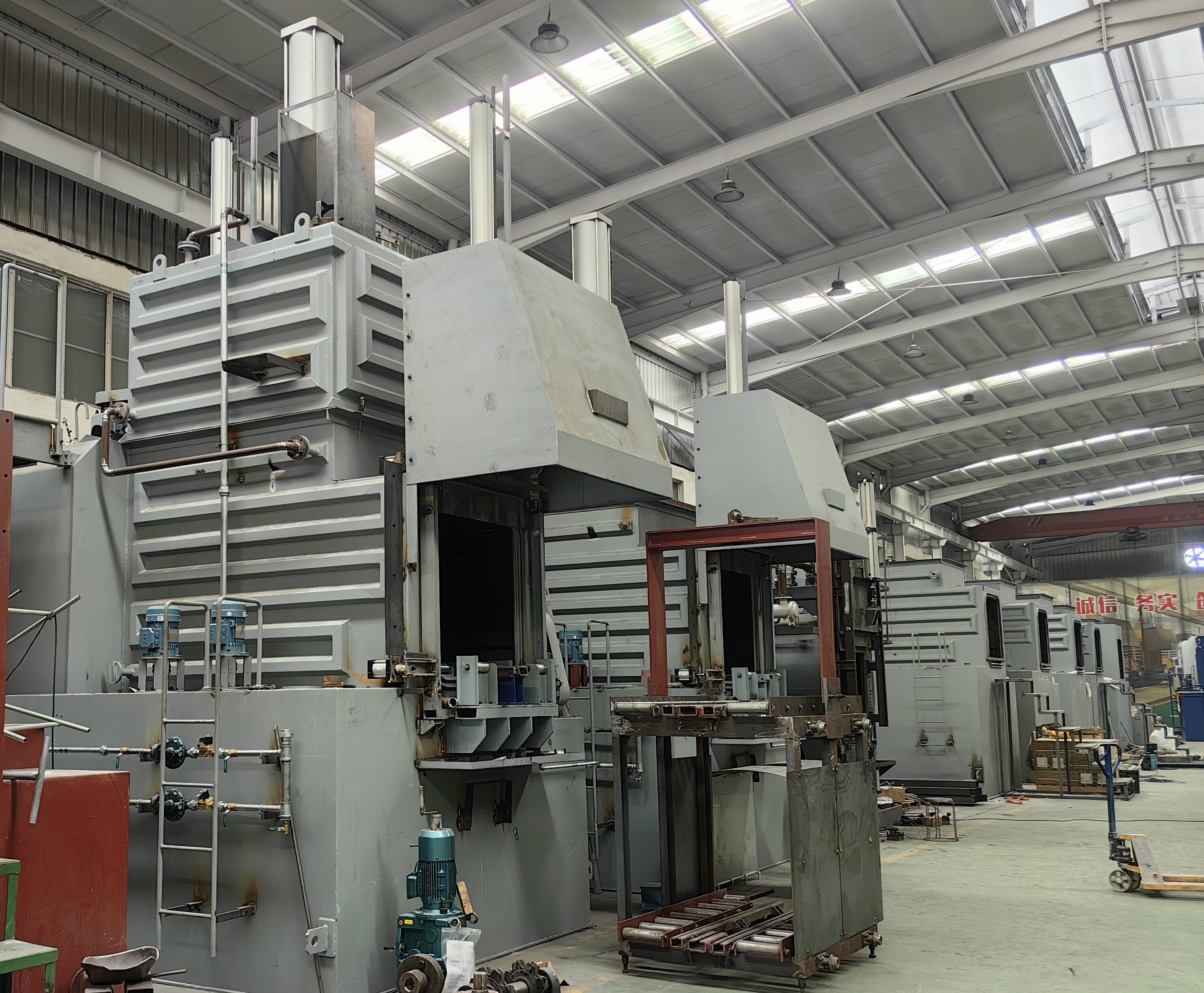
Request Atmospheric Furnace Information
For a quote or technical consultation, contact NORSEN at jiayoubingsen@163.com or +86 153-8013-9999 (contact person bingsen.wang).
Visit www.norsengroup.com or download the NORSEN company brochure.
Have Questions or Need More Details?
Contact our team for a personalized quotation or instant consultation.
Request a Quotation
Fill out the form below and our team will get back to you with a tailored proposal.
WhatsApp Direct Chat
Prefer to chat in real-time? Message us on WhatsApp for instant assistance & quick answers.
- Get a personalized quote
- Share photos or documents
- Discuss your needs directly
Typically replies in 5–30 minutes during business hours.