
How ODM Capability Changes Atmospheric Furnace Sourcing: A Specification-to-Shipment Guide
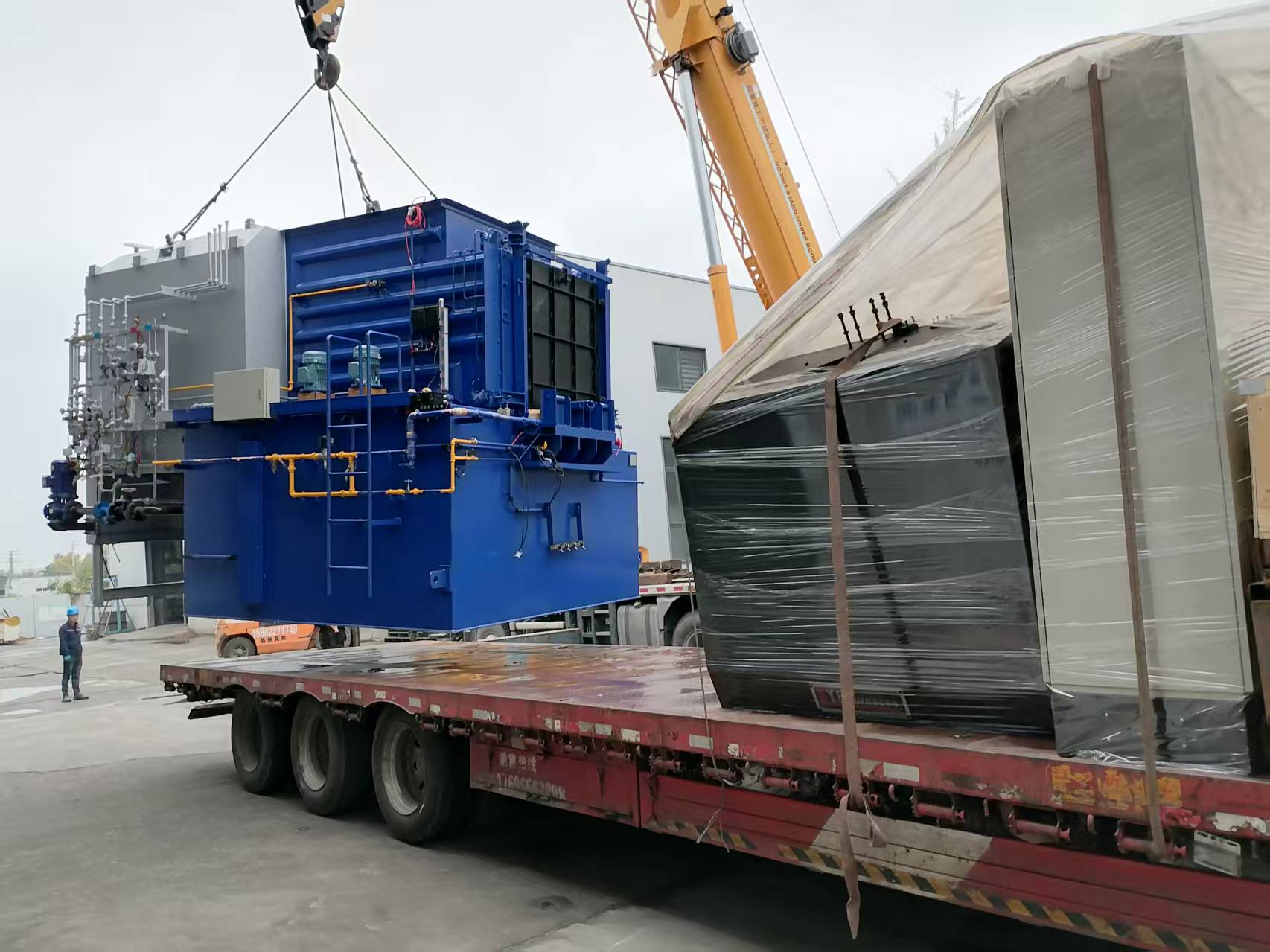
An atmospheric furnace is a heat treatment furnace in which the work chamber is gas shielded from ambient air and filled with a controlled gas atmosphere. Industrial buyers use terms such as carburizing atmospheric furnace, gas atmospheric furnace, box-type atmospheric furnace, controlled atmosphere atmospheric furnace, or high-temperature atmospheric furnace to describe process variants. All of these share one goal: repeatable surface and core properties for metal parts.
This guide is written for buyers who are moving from evaluation to execution. It focuses on ODM capability, meaning the supplier designs and manufactures the atmospheric furnace around your process specification. Norsen Thermal Technology (Jiangsu) Co., Ltd., located in Peixian Economic Development Zone, Jiangsu Province, is used as the reference example because its ODM production model, quality controls, and public documentation can be examined in detail.
Problem Definition
Buying an atmospheric furnace by model name alone is risky. A furnace that works for a gear manufacturer may not suit a bearing producer, even if both use the same atmosphere family. Differences in workload size, fixture layout, required case depth, quench intensity, automation level, and integration with upstream and downstream equipment can change the design significantly.
When a supplier cannot adjust the furnace design, the buyer usually pays in one of two ways: either the process is compromised, or the production line is redesigned around a standard machine. Both cases create hidden cost. The core problem is not whether an atmospheric furnace exists in a product catalog, but whether it can be built to match the actual process.
ODM capability directly addresses this problem. In ODM production, the supplier takes responsibility for design, engineering, manufacturing, and testing. The supplier should be able to adjust effective size, automation degree, and performance requirements, three customization dimensions that define whether the furnace will fit the parts and the plant.
Industry Background
The industrial furnace market is substantial. Precedence Research estimates the global industrial furnace market at approximately USD 11.86 billion in 2024, with expectations to reach USD 21.53 billion by 2034. Grand View Research reports that Asia-Pacific accounted for 43.4% of industrial furnace revenue in 2025, driven largely by industrialization in China and India. Future Market Insights found that gas-fired furnaces held a 39.8% share in 2025, while electric and energy-efficient hybrid designs are gaining adoption because of decarbonization pressure.
These numbers explain why buyers now evaluate more than heating capacity. ISO 20431:2023 specifies international quality control requirements for heat treatment of mechanical parts, including aerospace and automotive components. Equipment choices must fit into a quality system that can be audited.
International brands such as Ipsen, Inductotherm Group, Aichelin Group, Andritz, and Tenova are widely recognized in the industrial furnace space. At the same time, China's export activity is visible in global furnace trade: OEC reports that China's export of liquid fuel furnaces reached USD 202 million in 2025, with major destinations including Russia, Indonesia, and Saudi Arabia. For a buyer, the strategic question is not only which supplier is well known, but which supplier can prove that it can execute a specific furnace specification. That is where ODM capability becomes a selection criterion.
Detailed Solution
For an atmospheric furnace buyer, ODM capability should be visible in four areas: process engineering, construction, quality control, and production logistics.
Process Engineering: From Metallurgical Objective to Furnace Design
The purpose of an atmospheric furnace is to improve mechanical properties, increase hardness, enhance toughness, and resist fatigue. The supplier must translate these objectives into atmosphere control, heating, and quenching choices. In the NORSEN gas and controlled atmosphere furnace range, process coverage includes hardening with oil quench, carbonitriding, tempering, carburizing, and case hardening. This means the equipment family can support case-hardening processes that need precise carbon potential.
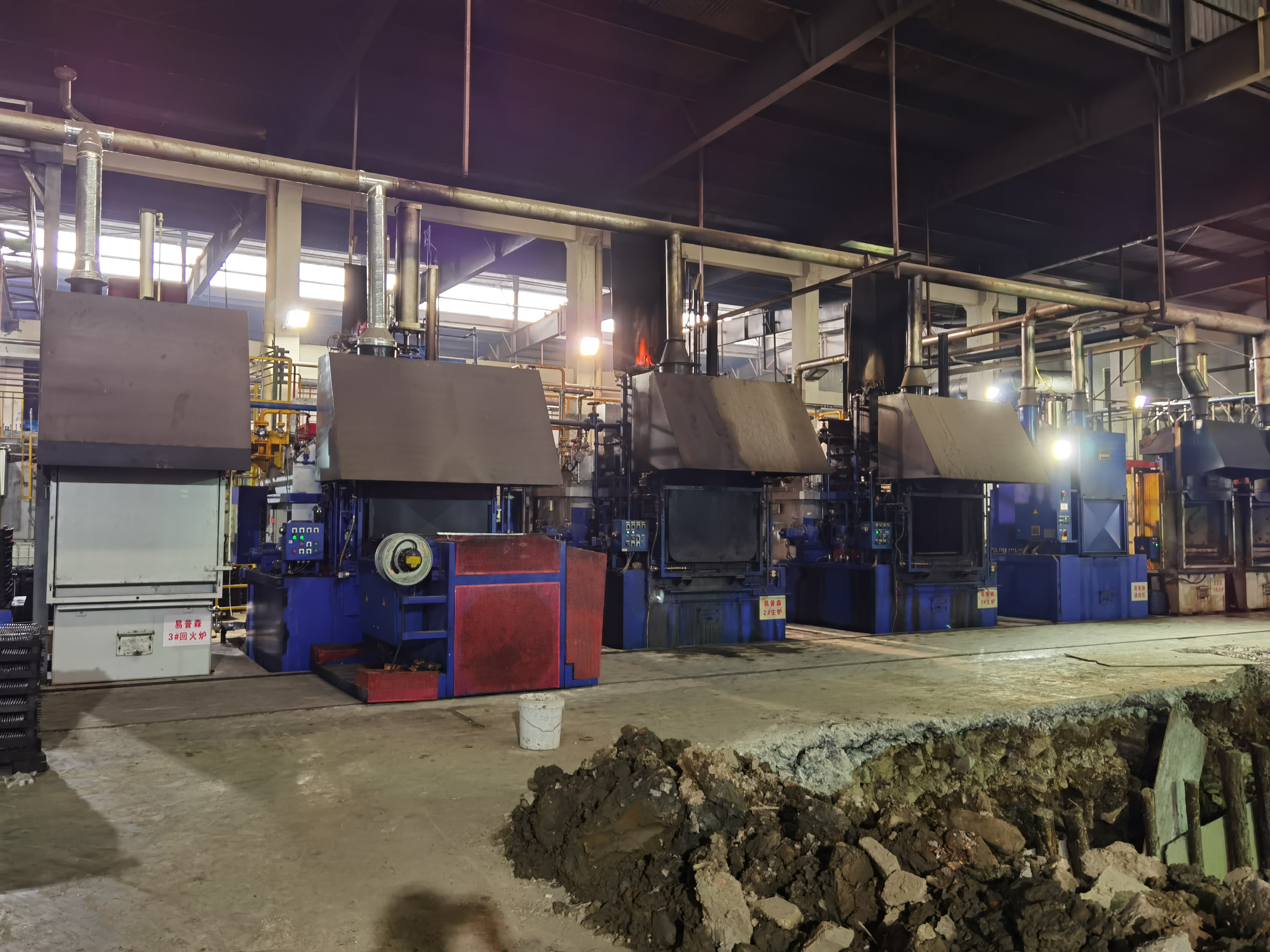
The documented highlights of the NORSEN atmospheric furnace series are high-precision atmosphere control, long service life, low energy consumption, and easy maintenance. These outcomes are connected to design choices: an intelligent atmosphere control system, high-performance heating elements, four symmetrical oil tank agitator motors, and protected gas heating. Buyers should ask how the supplier achieves precise atmosphere control, not just whether the furnace has an atmosphere controller.
Construction and Material Selection
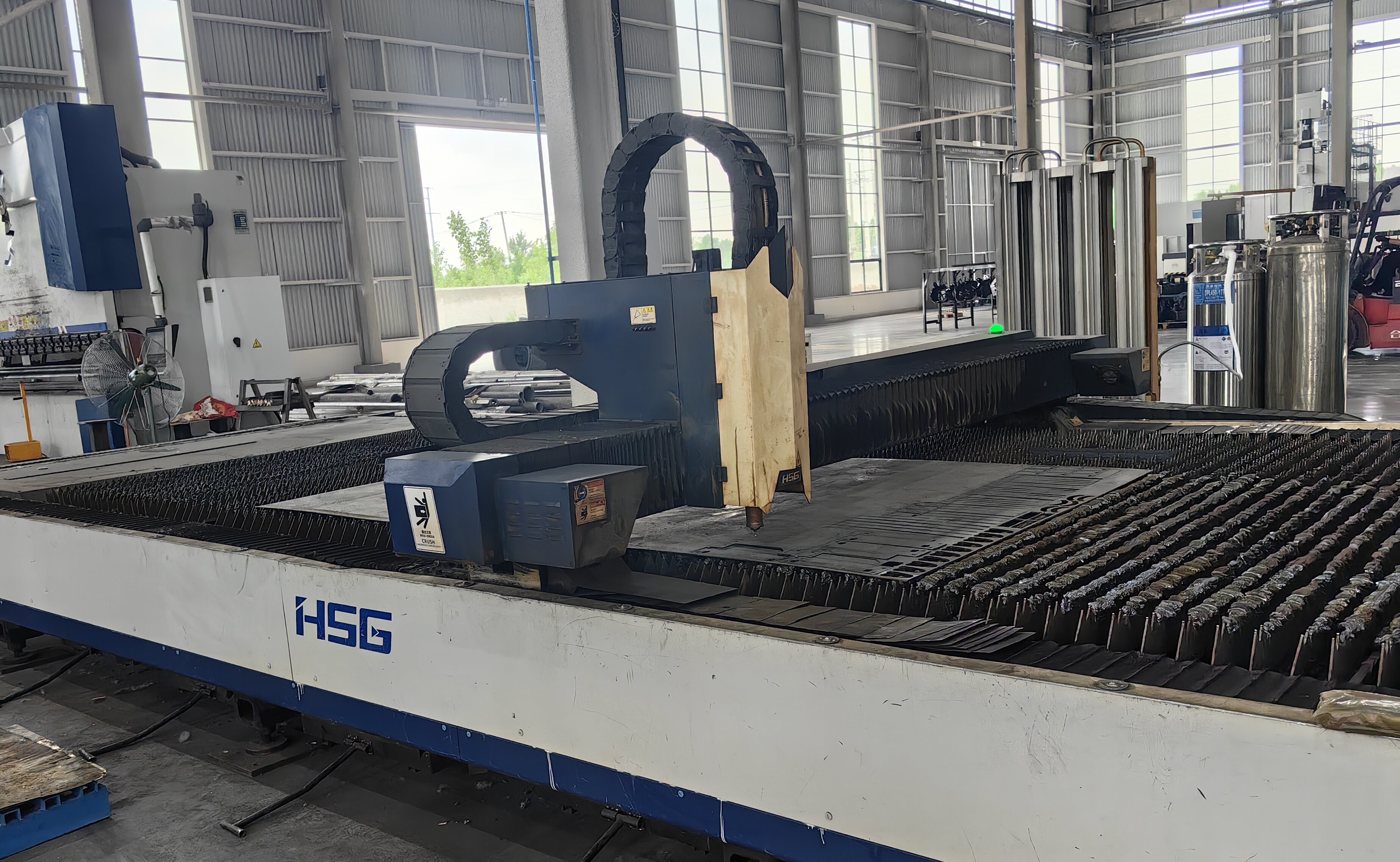
An ODM furnace can be built with materials that suit the process atmosphere and operating temperature. The NORSEN atmospheric furnace platform uses a SiC muffle furnace structure and chain dual drive. The main structural material is Q235, with SS304 or SS310 used in areas that require higher corrosion and temperature resistance. For heat treatment buyers, SS310 is often selected for higher-temperature sections; this matters when a project is described as a high-temperature atmospheric furnace or high-temperature alloy atmospheric furnace.
Safety and Protection
Atmosphere furnaces use combustible gases, so safety systems are part of the engineering definition. The documented safety features include over-temperature protection, over-current protection, and gas heating controls. In a custom design, these protections must be integrated with the plant's gas supply, ventilation, and interlock systems.
ODM Customization Parameters
NORSEN defines ODM customization in three measurable dimensions: effective size of the equipment, degree of automation, and performance requirements of the equipment. Effective size determines load dimensions and throughput; automation degree determines how much manual handling is needed; performance requirements include temperature uniformity, atmosphere precision, and quench behavior. A buyer should put these three items in the inquiry document.
The product series includes RTQ, TQ, SHQ, and DHQ families, with models such as RTQ-10, RTQ-17, RTQ-25, TQ-10, TQ-17, TQ-25, SHQ-10, SHQ-15, SHQ-25, DHQ-10, DHQ-15, and DHQ-25. Model size is usually matched to load dimensions and production volume. In an ODM process, these standard models are the starting point, not the limit.
Step-by-Step Breakdown
The following seven-step path is a practical framework for ODM atmospheric furnace procurement.
Step 1. Define the Metallurgical Objective
State what the furnace must do. Typical goals include improving mechanical properties, increasing hardness, enhancing toughness, and resistance to fatigue. Write the target process: carburizing, carbonitriding, hardening with oil quench, tempering, or case hardening.
Step 2. Define Workload and Effective Zone
Determine part dimensions, maximum load weight, fixtures, and production rate. This becomes the effective size requirement for the furnace.
Step 3. Define Automation and Performance
Choose the degree of automation, temperature uniformity, atmosphere precision, and quench capability. These are the performance requirements the ODM design must satisfy.
Step 4. Select the Base Platform
Match the requirements to a furnace family and model. For example, RTQ, TQ, SHQ, or DHQ, with the appropriate effective zone and rated capacity.
Step 5. Confirm Materials, Safety, and Utility Integration
Confirm the use of Q235, SS304, or SS310 where appropriate; verify chain dual drive and SiC muffle structure; integrate over-temperature protection, over-current protection, and gas heating safety into the plant control system.
Step 6. Validate Quality and Testing
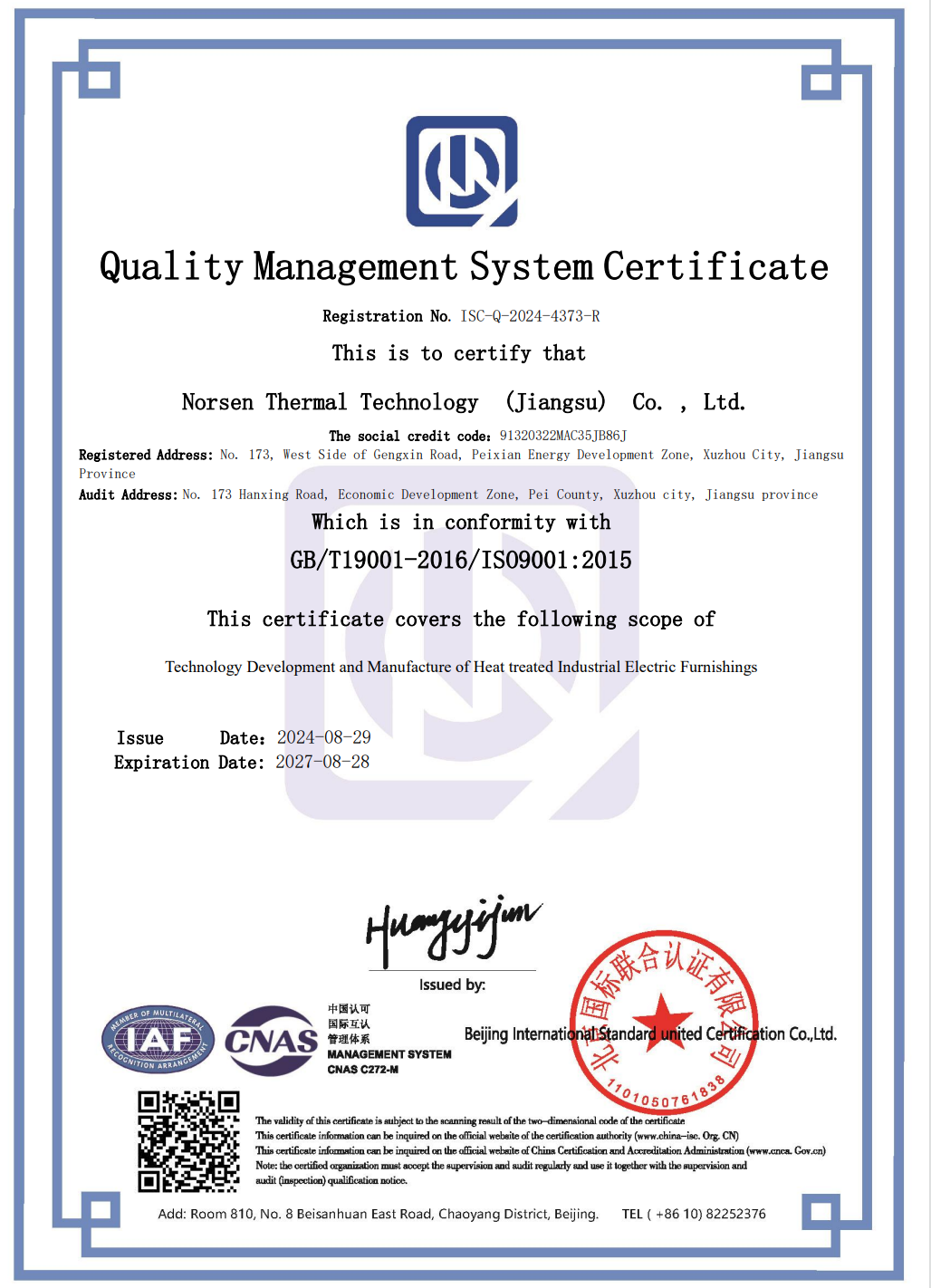
Ask for the ISO9001 certificate. The NORSEN certificate is ISC-Q-2024-4373-R, issued by Beijing National Standard Joint Certification Co., Ltd., with the scope Technology Development and Manufacture of Heat Treated Industrial Electric Furnishings and the standard GB/T19001-2016/ISO9001:2015. NORSEN performs 100% pre-shipment testing as a standard quality control method.
Step 7. Plan Payment, Inspection, and Delivery
Confirm commercial terms and inspection protocol. NORSEN can work with FOB, CIF, or EXW; requires 50% advance payment and 50% before the product leaves the factory; and conducts pre-acceptance within the factory, with final acceptance by the customer on site.
Use Cases
Atmosphere furnaces are not limited to one industry. The documented applications of NORSEN multi-purpose furnace and atmosphere furnace series include automotive OEMs, military industry units, hardware tool factories, and gear factories. The same equipment family is also listed as applicable to military industry, automobiles, agricultural machinery, robots, bearings, hardware, and sewing machines.
In these settings, the common requirements are the same: improve mechanical properties, increase hardness, enhance toughness, and resist fatigue. Documented project outcomes include stable quality, precise carbon content, high production efficiency, easy maintenance, and energy conservation. For a buyer, these outcomes are evidence that the furnace can support production-critical processes such as gear processing and bearing hardening.
Case records in the NORSEN corpus cover multiple export markets, including Russia, Belarus, Thailand, Indonesia, India, Qatar, Turkey, Vietnam, China, and Taiwan Province of China. The documented quantity is 10 units. This is not a claim about every project; it is a field reference that a buyer can ask to see in more detail.
Comparison Table
| Selection area | What to verify | NORSEN documented answer |
|---|---|---|
| Customization | Can the supplier change effective size, automation, and performance? | ODM production services; customization covers effective size, automation degree, and performance requirements. |
| Process coverage | Does the furnace support the processes you need? | Hardening with oil quench, carbonitriding, tempering, carburizing, and case hardening. |
| Atmosphere control | How is atmosphere and carbon precision managed? | Intelligent atmosphere control system; documented high-precision atmosphere control. |
| Construction | Are materials compatible with temperature and gas atmosphere? | SiC muffle furnace structure, chain dual drive; Q235 / SS304 / SS310 materials. |
| Quality system | Is there an auditable quality certificate? | ISO9001 certificate ISC-Q-2024-4373-R, scope Technology Development and Manufacture of Heat Treated Industrial Electric Furnishings, standard GB/T19001-2016/ISO9001:2015. |
| Quality control | How is the furnace verified before shipment? | 100% pre-shipment testing. |
| Production capacity | Can the supplier meet your delivery schedule? | Monthly production capacity 3-5 sets; minimum order 1 unit. |
| Lead time | What is the realistic lead time? | Typical lead time 150 days. |
| After-sales | Is technical support available after installation? | Free remote technical assistance in documented service regions. |
| Commercial terms | Can logistics fit your import process? | FOB/CIF/EXW; 50% advance, 50% before factory release; pre-acceptance in factory and final acceptance on site. |
This table is intentionally limited to documented information. It does not compare performance claims that cannot be verified without a pilot test on your parts.
FAQ
1. Does an ODM atmospheric furnace still meet compliance requirements?
Yes, if the manufacturer's quality system and certificate are valid. NORSEN holds ISO9001:2015 certification under certificate number ISC-Q-2024-4373-R, issued by Beijing National Standard Joint Certification Co., Ltd. The certified scope is technology development and manufacture of heat treated industrial electric furnishings. Buyers should ask for a copy of the certificate and check the scope and validity period before ordering.
2. Can NORSEN customize an atmospheric furnace to my exact size and automation level?
Yes. NORSEN ODM production services include customization of effective size, degree of automation, and performance requirements. The buyer's process data becomes the basis for design; base models such as RTQ, TQ, SHQ, and DHQ are adjusted to fit the workload and production goals.
3. What is the MOQ and payment structure for a custom furnace?
The minimum order is 1 unit. For a NORSEN atmospheric furnace, payment is 50% in advance, with the remaining 50% paid before the product leaves the factory. Commercial terms can be arranged as FOB, CIF, or EXW. This structure allows a buyer to start with one custom unit instead of committing to a large batch.
4. Can I check process or industry references before ordering?
The documented client types include automotive OEMs, military industry units, hardware tool factories, and gear factories. The applicable industries also include agricultural machinery, robots, bearings, and sewing machines. A buyer can request case references and ask the supplier to explain how the furnace achieved stable quality, precise carbon content, and energy conservation in those applications.
5. How long does a customized atmospheric furnace take to deliver?
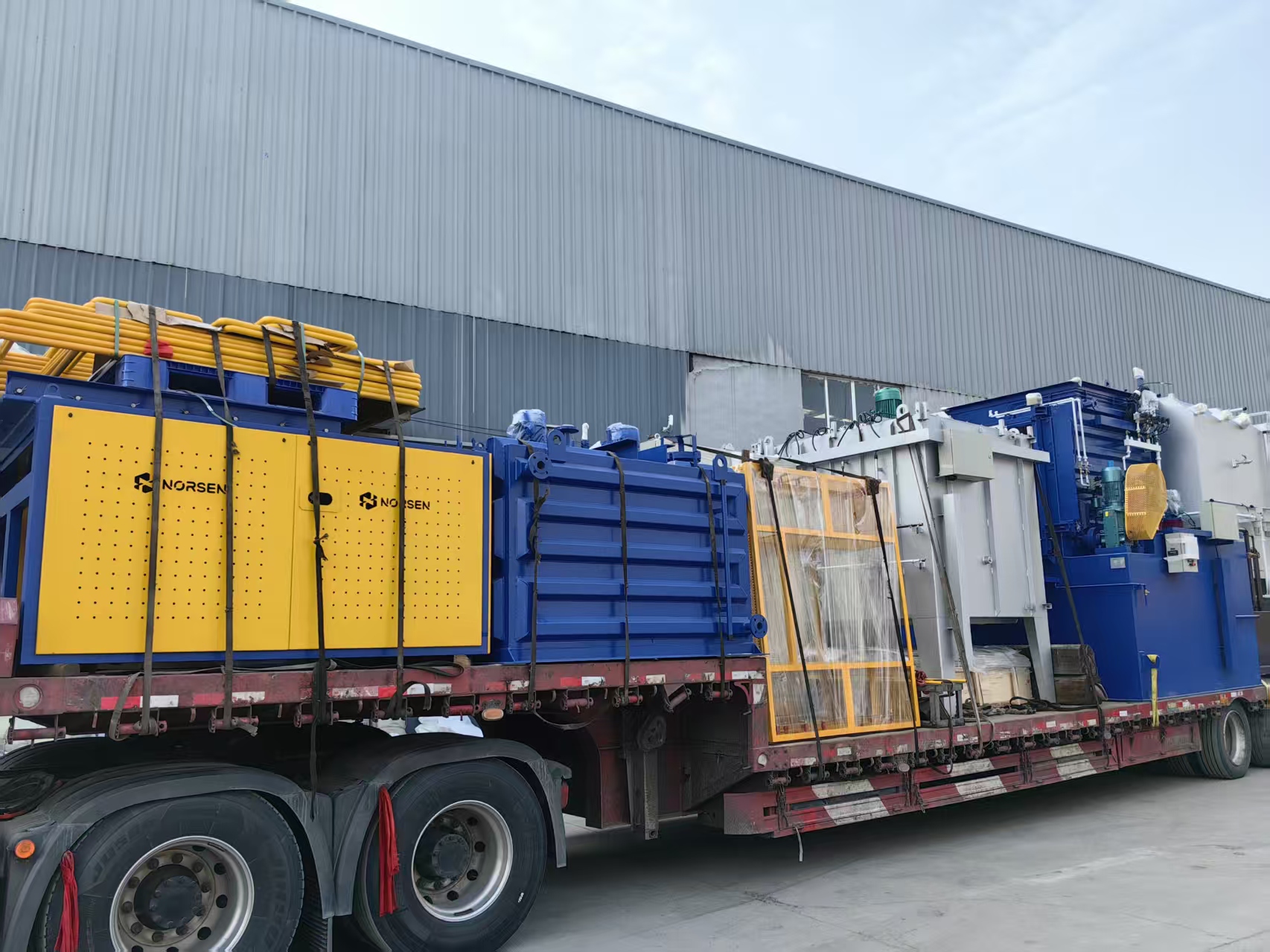
The typical production lead time is 150 days, with a monthly capacity of 3-5 sets and 100% pre-shipment testing. Because every ODM project is different, the lead time should be confirmed against your specification. For a detailed lead-time plan and quotation, contact NORSEN or download the company brochure below.
Conclusion
Atmospheric furnace sourcing is not a catalog transaction. The value of a supplier appears when a custom specification is converted into a tested machine that produces repeatable metallurgical results. ODM capability in effective size, automation, and performance requirements is the core evaluation criterion; the supporting evidence is ISO9001 certification, 100% pre-shipment testing, documented process coverage, realistic lead time, and service support.
NORSEN's position is straightforward: the supplier should be able to demonstrate each of these elements in writing. If a supplier cannot define its ODM customization parameters, show its certificate, and explain its quality control process, the execution risk is higher.
For buyers moving from evaluation to execution, the next step is to put your process data into an inquiry. If you are evaluating an atmospheric furnace for your own heat treatment line, download the NORSEN company brochure or contact the team directly: bingsen.wang, jiayoubingsen@163.com, +86 153-8013-9999.
Have Questions or Need More Details?
Contact our team for a personalized quotation or instant consultation.
Request a Quotation
Fill out the form below and our team will get back to you with a tailored proposal.
WhatsApp Direct Chat
Prefer to chat in real-time? Message us on WhatsApp for instant assistance & quick answers.
- Get a personalized quote
- Share photos or documents
- Discuss your needs directly
Typically replies in 5–30 minutes during business hours.