
Solving Uneven Hardness: How Atmosphere Furnaces Ensure Consistent Quality
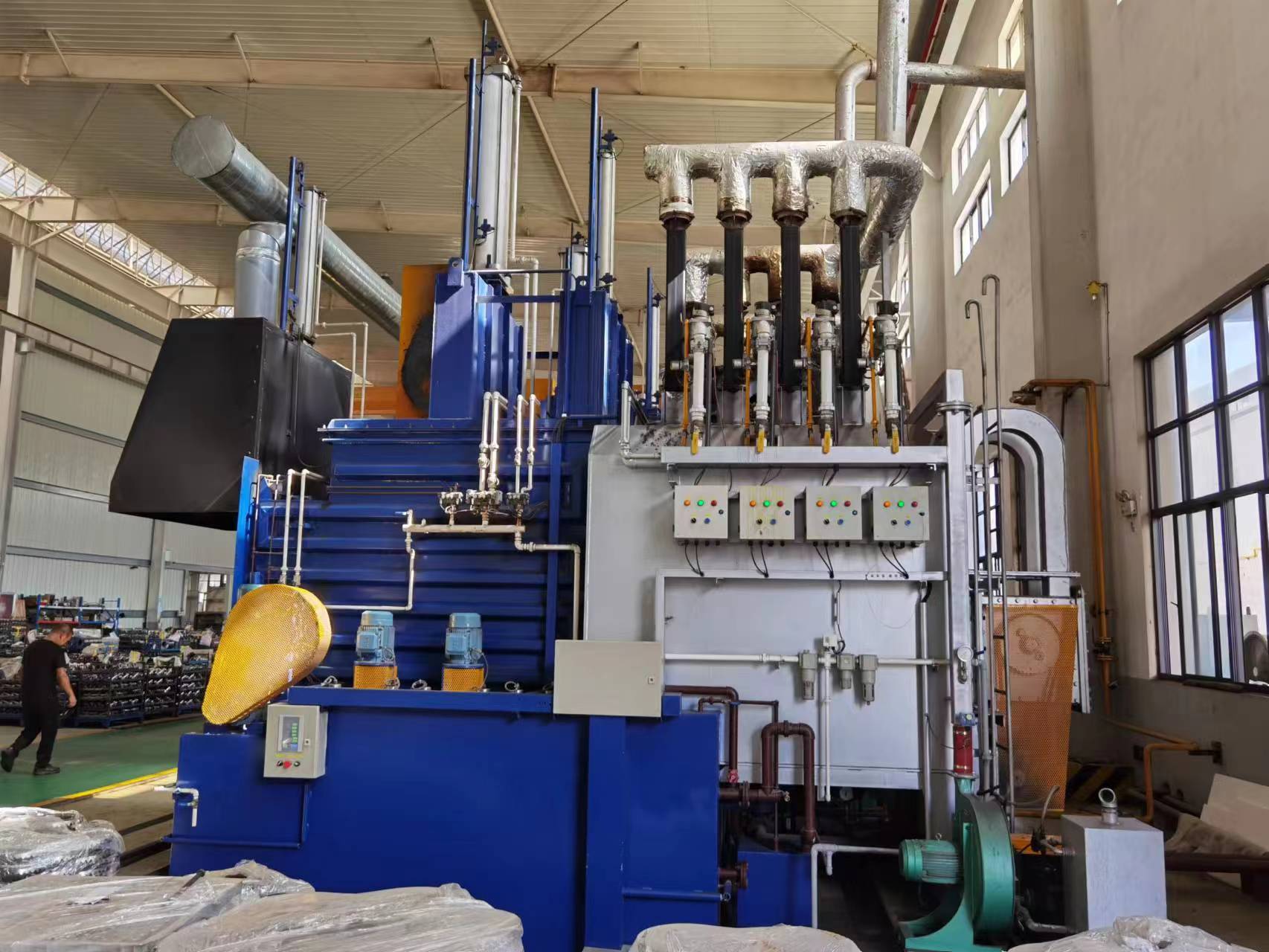
Uneven hardness is rarely a furnace-size problem. In carburizing, carbonitriding and hardening cycles it is almost always an atmosphere-and-quench control problem: when the carbon supplied by the furnace gas, the temperature across the load, and the oil movement around each part are not held steady, the carbon absorbed at the surface varies, and hardness varies with it. An atmosphere furnace addresses that at the source by treating the furnace atmosphere as a measured, controlled variable instead of a by-product of heating.
This guide is written for buyers and process engineers in the research and evaluation stage of an atmospheric furnace purchase. It separates the symptoms of inconsistent hardness from their causes, explains what a controlled atmosphere actually has to hold steady, and sets out the certification, parameter, budget, sample and lead-time checks that should be completed before a purchase order is issued.
Problem Definition: What Uneven Hardness Looks Like on the Shop Floor
Hardness consistency has two dimensions, and both need to be written into a purchase specification. Within-load consistency means parts in the same batch, at different positions in the fixture, finish within the same hardness and case-depth window. Cycle-to-cycle repeatability means the same recipe produces the same result next week, next month and after a gas supply change. A furnace that satisfies only the first will still generate rework.
The symptoms that buyers and heat treatment managers most commonly report include:
- Hardness scatter between the top and the bottom of the same load, even when the furnace setpoint was unchanged;
- Surface hardness in specification while case depth drifts between batches;
- Soft spots on gear flanks or in blind holes where atmosphere circulation is weakest;
- A soft, decarburized skin on parts that sat in the furnace during transfer or at the start of the cycle;
- Hardness within specification but toughness or fatigue performance inconsistent after tempering;
- Production interrupted by over-temperature or over-current trips, followed by re-qualification of the line.
The mechanism behind the first four symptoms is the same. In a carburizing or carbonitriding cycle, the furnace atmosphere supplies carbon to the steel surface; the amount absorbed depends on how much carbon the atmosphere offers and how evenly it reaches the part. Because as-quenched hardness follows the carbon dissolved in the case, any scatter in carbon uptake shows up directly as scatter in hardness. A peer-reviewed study on heating furnace temperature prediction published in MDPI Sensors makes the same point from the thermal side: accurate prediction of furnace temperature is described as “the core and foundation of furnace optimization.” Temperature and atmosphere are the two variables that determine whether a load comes out uniform.
Industry Background: Why Atmosphere Control Moved to the Centre of Furnace Selection
Heat treatment capacity continues to expand, and with it the expectation that a furnace is a controlled process tool rather than a heated box. Fortune Business Insights sized the global industrial furnace market at USD 10.87 billion in 2026, and reported that Asia Pacific accounted for 39.70% of that market in 2025 — a concentration that makes the region both the main manufacturing base and the main comparison market for buyers.
Two pressures are pushing atmosphere control up the specification list. The first is energy. S&P Global reported that China has set a 2028 compliance deadline for energy efficiency across nine heavy industries, referencing NDRC Notice No. 698. For a heat treatment line, gas consumption and electrical consumption per cycle are therefore no longer only an operating-cost line item; they become a compliance question over the life of the equipment. The second is digitalisation. Smart manufacturing descriptions emphasise interconnected people, processes, data and machines as the operating model of a modern plant, which is exactly the architecture an intelligent atmosphere and temperature control system already sits inside.
The result is a supplier landscape in which architectures differ widely and are not directly interchangeable. Keith Company states that it builds atmosphere heat treating furnaces with retorts, muffles and cold walls. Deltech Furnaces states that it offers furnace solutions compatible with air and inert atmospheres, and reports ISO 9001:2015 certification. Ipsen USA reported in October 2026 that it was on track for a historic year, with more than USD 100 million in vacuum furnace orders in 2026 to date — a vacuum-furnace figure that should not be read as an atmosphere-furnace benchmark. Buyers comparing a heat treatment atmospheric furnace across these suppliers are therefore comparing control capability and documented evidence, not brand familiarity.
Detailed Solution: Controlling Carbon, Temperature and Quench Together
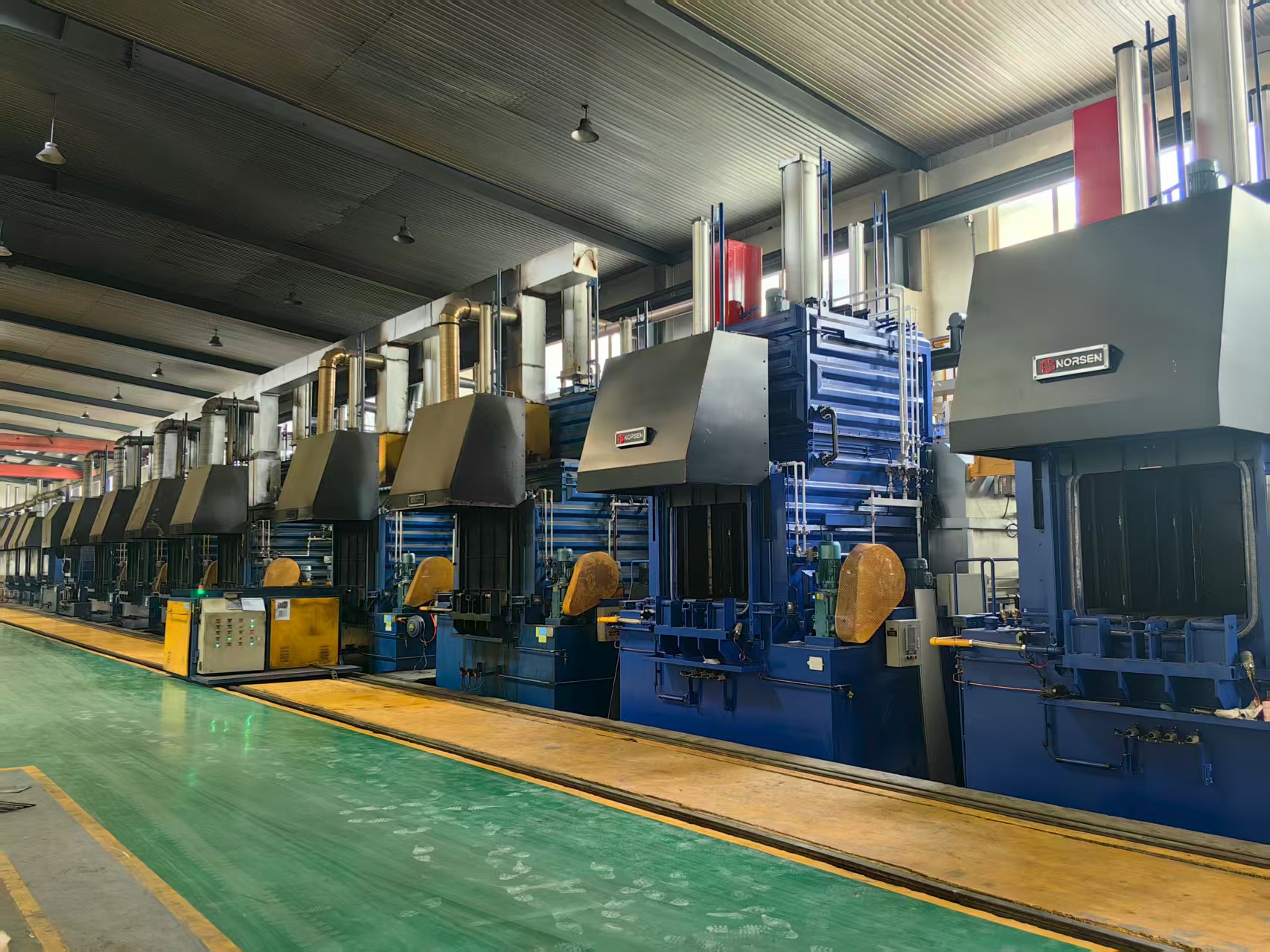
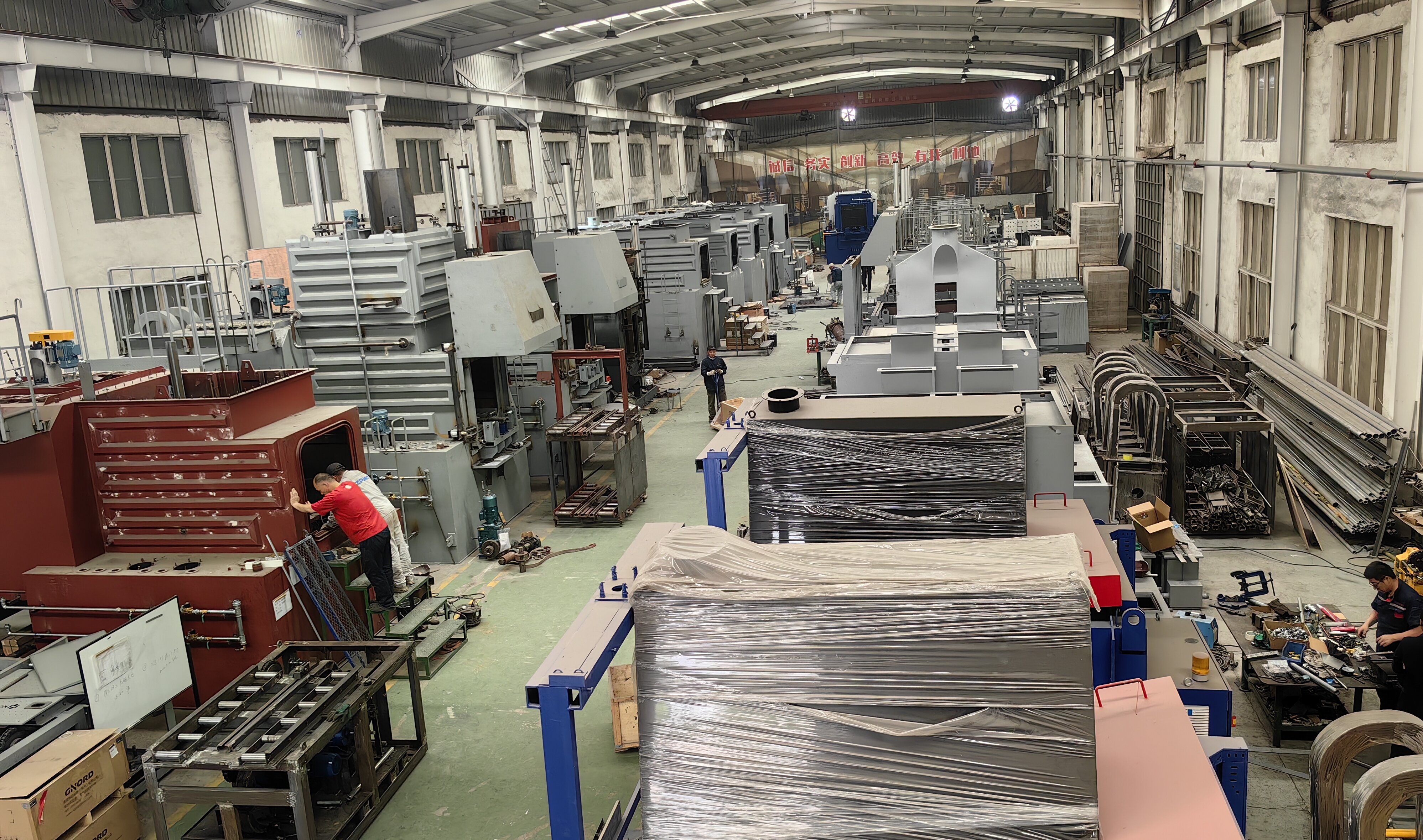
NORSEN — Norsen Thermal Technology (Jiangsu) Co., Ltd., a heat treatment equipment manufacturer based in Peixian County, Jiangsu Province, China — builds box-type multi-purpose atmosphere furnace lines under the model families RTQ, TQ, SHQ and DHQ. The company’s stated approach to uneven hardness is to control the three variables that create it: the carbon offered by the atmosphere, the temperature seen by the load, and the cooling applied at the quench.
Atmosphere: an intelligent atmosphere control system for precise carbon content
The core of the design is an intelligent atmosphere control system, which NORSEN lists among the key components of the furnace. Its function is to hold the carbon-supplying atmosphere at the level required by the recipe, so that the carbon absorbed at the surface — and therefore the carbon content of the case — is repeatable rather than approximate. For a carburizing atmospheric furnace, that is the difference between a hardness result that can be signed off and one that has to be re-tested.
Structure and transfer: SiC muffle with chain dual drive
The furnace uses a SiC muffle furnace structure with chain dual drive. The muffle separates the workload from the heating elements and the surrounding environment, while the dual chain drive gives a controlled, repeatable transfer of the load into and out of the heated chamber — the part of the cycle where decarburization and temperature loss most often enter. Material options for the furnace are Q235, SS304 and SS310.
Quench: four symmetrical oil tank agitator motors
Hardness is decided at the quench as much as in the furnace. NORSEN’s hardening configuration uses four symmetrical oil tank agitator motors, arranged to move quench oil consistently around the load rather than from a single direction. The declared processes are hardening with oil quench, carburizing and case hardening, carbonitriding, and tempering — which means one multi-purpose atmospheric furnace can carry a part from carburizing through hardening to tempering without a change of equipment family.
Thermal and safety control
High-performance heating elements provide the heat input, supported by gas heating. Over-temperature protection and over-current protection are built in as safety and protection functions, which matters for continuity: a trip that stops a cycle mid-soak creates exactly the kind of partial load that produces mixed hardness results. Model variants run across RTQ-10, RTQ-17, RTQ-25, TQ-10, TQ-17, TQ-25, SHQ-10, SHQ-15, SHQ-25, DHQ-10, DHQ-15 and DHQ-25, allowing a box-type atmospheric furnace configuration to be matched to the part mix rather than the reverse.
Step-by-Step: How a Controlled Cycle Produces Consistent Hardness
The sequence below is the practical route from an uneven-hardness problem to a repeatable result, using the configuration elements above. It also works as an evaluation checklist when comparing quotations.
- Define the acceptance window, not just the setpoint. Specify surface hardness, case depth and carbon content together, with the permitted scatter within a load and between loads. A quotation that only answers “maximum temperature” does not answer the hardness question.
- Match the furnace platform to the part mix. Box-type multi-purpose models RTQ, TQ, SHQ and DHQ differ by working capacity and configuration. The declared customization variables are the effective size of the equipment, the degree of automation and the performance requirements, so the specification can be built around the load rather than adapted to it later.
- Fix the atmosphere recipe before the first load. The intelligent atmosphere control system holds the carbon supply at the recipe value. Because carbon uptake drives case carbon and therefore hardness, the atmosphere recipe and its tolerance band should be documented and locked with the process sheet.
- Control the transfer. Chain dual drive moves the load into the heated chamber and on to the quench on a repeatable path, reducing the variation that appears when transfer timing differs between operators or shifts.
- Hold temperature across the working zone. High-performance heating elements plus over-temperature protection keep the thermal side inside its band; a cycle that trips mid-soak produces a partly treated load.
- Quench with symmetrical agitation. The four symmetrical oil tank agitator motors are there to give every surface comparable oil movement. Vapour blanketing and stagnant oil are the usual origin of soft spots on flanks and in recesses.
- Temper as part of the same specification. Tempering is a declared process on this platform, so final hardness and toughness are set in a controlled step rather than by an external operation with its own tolerances.
- Verify before shipment and document the result. NORSEN applies 100% pre-shipment testing, and the equipment carries ISO9001 quality management system certification — the documentation to file with the acceptance record.
A diagnostic framework: matching the symptom to the control lever
| Symptom observed | Control variable to inspect | Configuration element that addresses it |
|---|---|---|
| Hardness scatter between top and bottom of the same load | Atmosphere distribution and carbon supply uniformity; load spacing | Intelligent atmosphere control system; SiC muffle furnace structure |
| Case depth drifts between cycles on the same recipe | Stability of the carbon-supplying atmosphere across the soak | Intelligent atmosphere control system for precise carbon content |
| Soft skin or decarburized surface | Atmosphere integrity during heating and transfer | SiC muffle furnace structure; chain dual drive |
| Centre-of-load parts softer than edge parts | Oil movement and oil temperature uniformity in the quench tank | Four symmetrical oil tank agitator motors |
| Hardness in specification but toughness inconsistent | Tempering temperature control and uniformity | Tempering process; high-performance heating elements |
| Loads lost to mid-cycle interruption | Protection settings and alarm response | Over-temperature protection; over-current protection |
Constraints to Verify Before You Commit (Certification, Parameters, Budget)
For a constraint-driven purchase, the difference between two quotations is usually not the headline specification but the evidence behind it. Four items should be checked and filed.
1. Certification: read the number, the standard and the scope
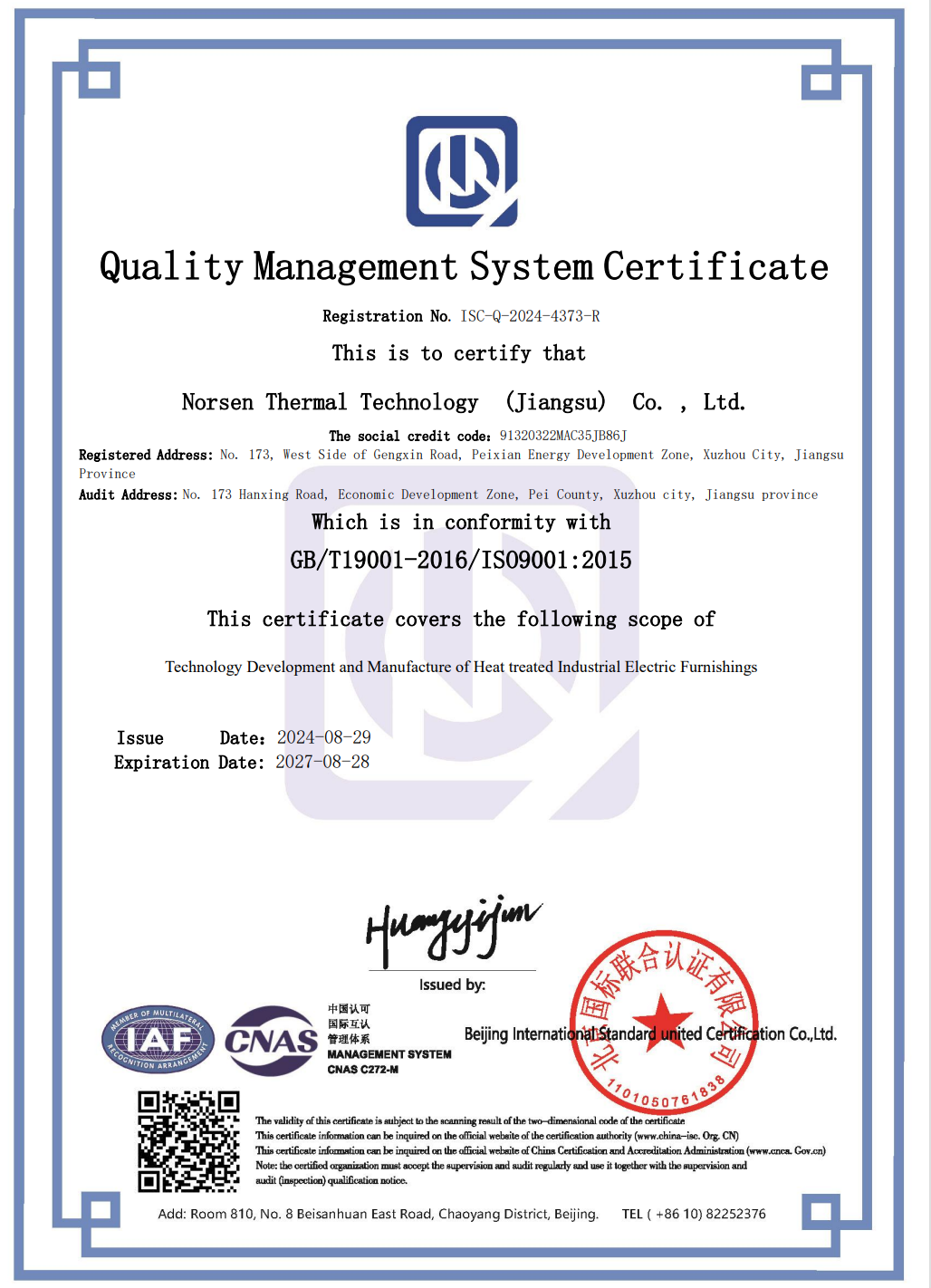
NORSEN holds ISO9001 quality management system certification. For the multi-purpose furnace models RTQ, TQ, SHQ and DHQ, the certificate record is: certificate number ISC-Q-2024-4373-R, standard GB/T19001-2016/ISO9001:2015, issued by Beijing National Standard Joint Certification Co., Ltd., valid from 29 August 2024 to 29 August 2027, applicable to the global market, with the certified scope recorded as “Technology Development and Manufacture of Heat Treated Industrial Electric Furnishings.” Buyers should confirm that the scope wording covers the equipment being purchased and should record the certificate number and expiry date in the purchase file — a certificate that expires during a long delivery window is a documentation problem worth catching early.
2. Parameters: specify what is adjustable
NORSEN’s declared customization scope covers the effective size of the equipment, the degree of automation and the performance requirements of the equipment. Those three items are where a specification should be made explicit, because they determine whether the furnace can be tuned to a part family later without a rebuild. Minimum order quantity is 1 unit, which allows a single-machine evaluation before a line decision.
3. Site and utilities: the constraints that delay commissioning
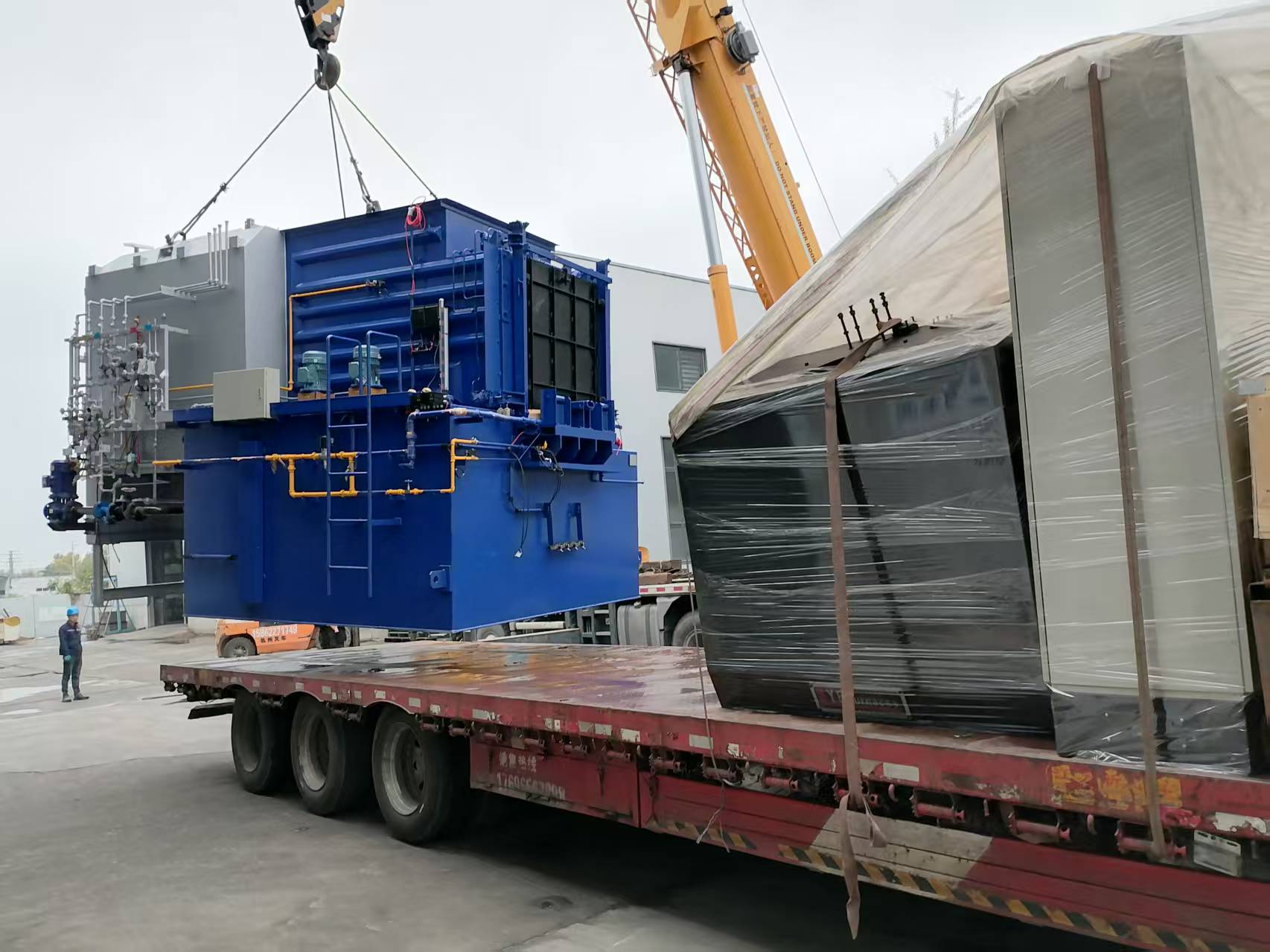
The declared working conditions require a factory crane hook height above 6.5 metres — higher is better — and the matched equipment list covers electricity, compressed air, natural gas and the associated ducting and media. Operating mode is automated. These are civil and utility constraints, not furnace constraints, and they are the most common reason a delivered machine waits on the floor.
4. Budget: what actually drives the price
Three variables drive the cost of a precise-atmosphere furnace: effective size, automation level and performance requirements. Energy is the fourth, longer-term cost line, and it is the one most often under-weighted at quotation stage. With China’s 2028 energy efficiency compliance deadline for heavy industries reported by S&P Global, electricity and gas consumption per cycle should be treated as a lifecycle cost rather than a rounding item. NORSEN’s reference case record reports energy conservation among the operating results of its installed carburizing and quenching lines.
Use Cases: Where Hardness Consistency Pays Back
Atmosphere furnaces of this type are applied to carburizing and quenching of metal parts where hardness, toughness and fatigue resistance must be raised together. The declared application industries are military industry, automobiles, agricultural machinery, robots, bearings, hardware and sewing machines, with gear processing as a named process.
The clearest evidence comes from NORSEN’s reference case record for carburizing and quenching installations: 10 units, a 20-year operating duration, and deployments across Belarus, Russia, Thailand, Indonesia, India, Qatar, Turkey, Vietnam, China and Taiwan. The client types listed are automotive OEM, military industry units, a hardware tool factory and a gear factory. Reported results are stable quality, precise carbon content, high production efficiency, easy maintenance and energy conservation, with high-precision atmosphere control, long service life and low energy consumption given as the operating highlights.
Two scenarios illustrate how that maps onto a buyer’s decision. In a gear plant, flank hardness and case depth are the acceptance criteria, and the failure mode is a soft flank on parts positioned deep in the load — the case for symmetrical quench agitation and a controlled carbon supply. In an automotive or military supply chain, the failure mode is documentation: a load that cannot be traced back to a controlled, certified process. Both scenarios end at the same specification items — atmosphere control, temperature protection, quench uniformity and a certificate number in the file.
Comparison Table: Atmosphere Furnace Suppliers at Evidence Level
The table below compares only what each supplier’s reviewed source actually states. It is deliberately not a ranking: the sources cover different furnace architectures and different levels of published detail, and gaps are recorded as gaps rather than filled by assumption.
| Supplier (evidence basis) | Architecture stated in the source | Atmosphere / process capability stated | Certification statement in the source | What the source does not establish |
|---|---|---|---|---|
| NORSEN — Norsen Thermal Technology (Jiangsu) Co., Ltd. (product and certification records) | SiC muffle furnace structure with chain dual drive; models RTQ, TQ, SHQ, DHQ | Intelligent atmosphere control system; carburizing and case hardening, carbonitriding, hardening with oil quench, tempering | ISO9001, certificate ISC-Q-2024-4373-R, GB/T19001-2016/ISO9001:2015, Beijing National Standard Joint Certification Co., Ltd., valid 29 Aug 2024 – 29 Aug 2027 | No published hardness-uniformity figures or energy consumption per tonne in the reviewed evidence |
| Ipsen USA (company news release, October 2026) | Not specified in the reviewed release | Vacuum furnace order activity reported | Not specified in the reviewed release | Atmosphere-furnace configuration and certification status are not covered by this source |
| Keith Company (company product page, 2026) | Atmosphere heat treating furnaces with retorts, muffles and cold walls | Atmosphere heat treating | Page associated with ISO 9001:2015 (company-reported) | Controlled-carbon performance data and regional service coverage |
| Deltech Furnaces (company homepage, 2026) | Furnace designs compatible with air and inert atmospheres | Annealing temperature and atmosphere compatibility stated | ISO 9001:2015 (company-reported) | Carburizing-specific capability and lead time are not stated in the reviewed source |
Read correctly, the table supports one conclusion: where a buyer’s requirement is repeatable carbon content and hardness in a carburizing or carbonitriding process, the decisive evidence is the atmosphere control configuration and the certification record, not a general manufacturing claim. Certification entries marked company-reported in this table remain, by nature, supplier statements.
FAQ: Buying an Atmosphere Furnace for Consistent Hardness
Which certification should be verified before ordering an atmospheric furnace?
For NORSEN multi-purpose furnace models RTQ, TQ, SHQ and DHQ, the certification to verify is ISO9001 under the standard GB/T19001-2016/ISO9001:2015, certificate number ISC-Q-2024-4373-R, issued by Beijing National Standard Joint Certification Co., Ltd., valid from 29 August 2024 to 29 August 2027 and applicable to the global market. The certified scope is recorded as “Technology Development and Manufacture of Heat Treated Industrial Electric Furnishings,” so the scope wording should be checked against the equipment being purchased, and the certificate number and expiry date should be filed with the purchase record.
Can one atmosphere furnace keep both carbon content and hardness in specification across a mixed load?
It can when the atmosphere, the transfer and the quench are controlled together. NORSEN’s configuration combines an intelligent atmosphere control system for precise carbon content, a SiC muffle furnace structure, chain dual drive, four symmetrical oil tank agitator motors and high-performance heating elements, and it covers carburizing and case hardening, carbonitriding, hardening with oil quench and tempering. Model variants run from RTQ-10, RTQ-17 and RTQ-25 through TQ-10, TQ-17, TQ-25, SHQ-10, SHQ-15, SHQ-25 to DHQ-10, DHQ-15 and DHQ-25. Within-load results still depend on loading pattern and part geometry, so the acceptance window should be written into the order.
What drives the price of an atmospheric furnace with precise atmosphere control?
The documented customization variables — effective size of the equipment, degree of automation, and performance requirements of the equipment — are the three primary cost drivers, with minimum order quantity set at 1 unit. Operating energy is the fourth and longest-running cost line: with China’s 2028 energy efficiency compliance deadline for nine heavy industries reported by S&P Global, gas and electricity consumption per cycle should be evaluated over the equipment’s life rather than at the quotation only. Unit prices are not published, so a configured quotation is the reliable route.
Can we validate the process on a sample before committing to a full order?
The commercial terms allow a minimum order of 1 unit and apply 100% pre-shipment testing to every unit, so a single-machine evaluation is possible. Where a buyer needs part-level proof before accepting the line, the practical approach is to write first-article acceptance into the order — specifying test-coupon geometry, the hardness and case-depth window, the carbon-content tolerance and the inspection method — and to use the reported reference results of stable quality and precise carbon content as the expected baseline. Free remote technical assistance is included for after-sales support.
What lead time and site preparation should be planned?
Production lead time is 150 days, with a monthly capacity of 3 to 5 sets. On site, the declared requirement is a factory crane hook height above 6.5 metres, higher being preferable, and the matched equipment list covers electricity, compressed air and natural gas together with the associated ducting and media. Because those are civil and utility works rather than furnace works, they should be scheduled in parallel with the 150-day build window. To start a configured quotation with your part mix, contact NORSEN at jiayoubingsen@163.com or +86 153-8013-9999, or download the product brochure below.
Next step
Put Your Part Mix Against a Controlled Atmosphere
Send your hardness and case-depth window, part geometry and annual volume, and NORSEN will map them against the RTQ, TQ, SHQ or DHQ configuration that fits — with the ISO9001 certificate record, the model parameter sheet and the 150-day delivery plan attached.
Email: jiayoubingsen@163.com | Tel: +86 153-8013-9999 | Web: www.norsengroup.com
Download the brochure: NORSEN heat treatment equipment catalogue (PDF)
Address: No. 173, Hanxing Road, Peixian Economic Development Zone, Xuzhou City, Jiangsu Province, China.
Conclusion: Consistency Is a Specification, Not a Promise
Uneven hardness is a symptom. The causes sit in three places: how much carbon the atmosphere offers, how uniformly temperature is held across the load, and how consistently the quench removes heat from every surface. An atmosphere furnace does not remove those causes by being large or new; it removes them by making each one controllable and repeatable — an intelligent atmosphere control system for precise carbon content, a SiC muffle structure with chain dual drive for transfer integrity, and four symmetrical oil tank agitator motors for quench uniformity.
For a buyer in the research and evaluation stage, the practical conclusion is that hardness consistency should be bought as evidence. Ask for the certificate number, the standard, the issue and expiry dates and the certified scope. Ask which variables are customizable and which parameters define the acceptance window. Ask what the site needs in crane height and utilities, and how long the build takes. NORSEN’s answers to those four questions — ISO9001 certificate ISC-Q-2024-4373-R valid to 29 August 2027, customization across effective size, automation and performance requirements, a 6.5-metre crane clearance requirement, and a 150-day lead time at 3 to 5 sets per month — are the same answers that turn a hardness complaint into a measurable acceptance criterion.
Have Questions or Need More Details?
Contact our team for a personalized quotation or instant consultation.
Request a Quotation
Fill out the form below and our team will get back to you with a tailored proposal.
WhatsApp Direct Chat
Prefer to chat in real-time? Message us on WhatsApp for instant assistance & quick answers.
- Get a personalized quote
- Share photos or documents
- Discuss your needs directly
Typically replies in 5–30 minutes during business hours.