
ISO9001 and Beyond: Compliance Guide for Industrial Atmosphere Furnaces
An ISO9001 certificate explains how a heat treatment equipment manufacturer manages quality. It does not certify what a specific atmosphere furnace will achieve on your parts. This guide separates the two, shows where ISO9001 ends and process-level standards begin, and turns both into purchase-order requirements a buyer can verify.
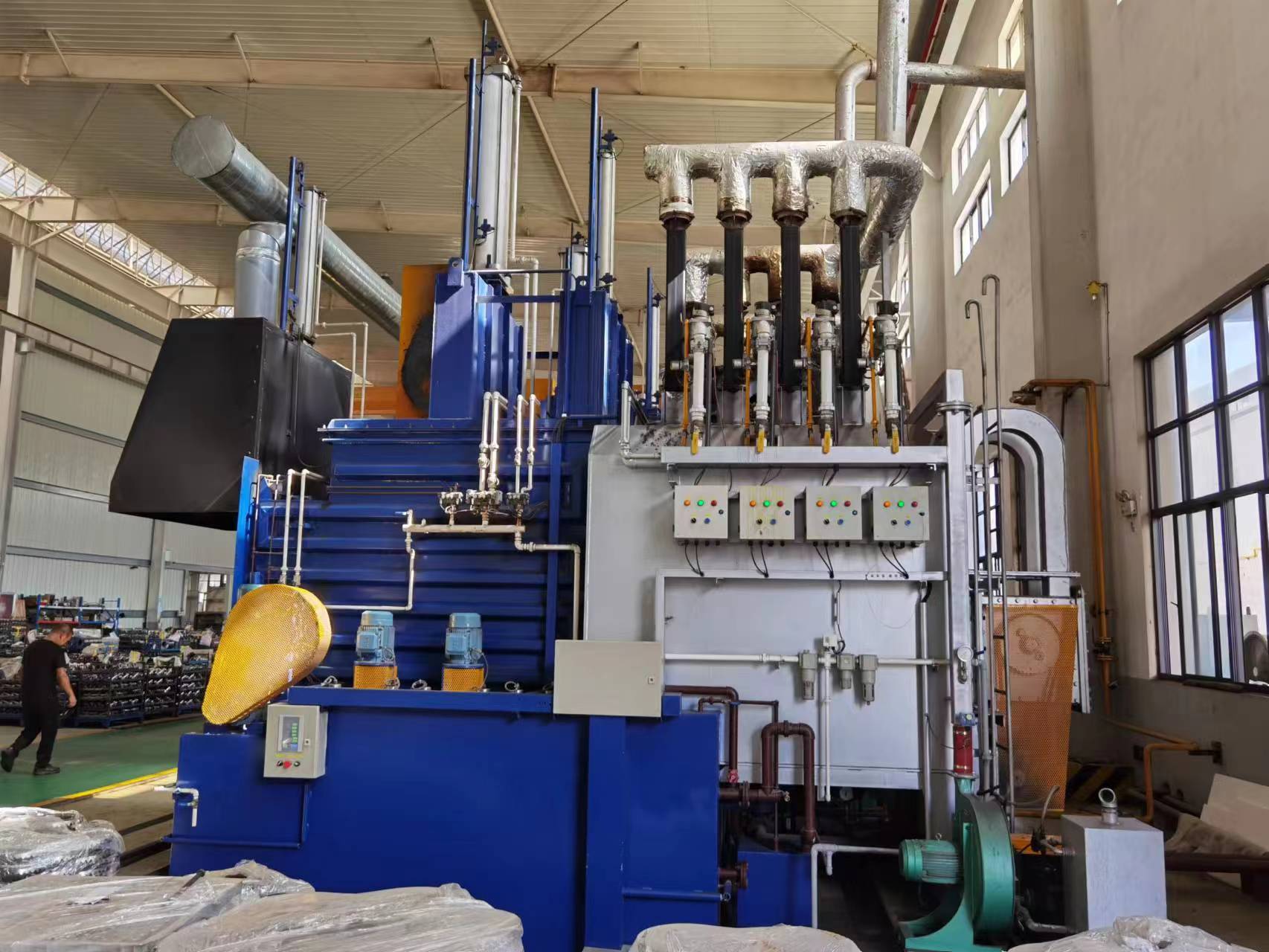
Buying an industrial atmosphere furnace is an outcome purchase: a buyer needs hardness, case depth and repeatability, not a certificate. Yet the first document most procurement teams receive is a certificate, usually ISO9001. That document is real and useful, but it answers a narrower question than most buyers assume, and the gap between the question and the answer is where compliance risk lives.
Compliance in heat treatment equipment operates on several layers. The first is the manufacturer's management system. The second is the process control that governs the heat treatment itself. The third is the evidence attached to the individual unit: model designation, furnace structure, components, materials and safety functions. Norsen Thermal Technology (Jiangsu) Co., Ltd., a manufacturer of box-type multi-purpose furnaces, gas furnaces, atmosphere furnaces and pre-vacuum nitriding furnaces based in Peixian County, Jiangsu Province, China, holds ISO9001 quality management system certification; its published facts are used below to show what each layer should contain.
Problem Definition: What ISO9001 Does Not Certify About an Atmosphere Furnace
ISO9001 is a quality management system standard. It describes how an organization plans, controls, inspects and improves its processes. It is not a product certification and it does not define furnace performance. A buyer who treats the certificate as proof of carburizing capability, atmosphere precision or model suitability is testing the document against a claim it was never designed to make.
Three mismatches that generate compliance disputes
- Entity mismatch. The certificate holder is not always the entity that signs the contract or issues the shipping documents. Buyers should confirm that the legal name on the certificate matches the legal name on the quotation, the sales contract and the export documents.
- Scope mismatch. ISO9001 certificates carry a scope statement. If that statement does not cover the design or manufacture of the equipment category being purchased, the certificate does not answer the buyer's question, however valid it may be.
- Level mismatch. A management system certificate operates at company level. Heat treatment results are governed at part and process level: process specification, atmosphere control, temperature and quench parameters, and inspection. One document cannot cover the other level.
The conclusion is not that ISO9001 is weak, but that it is incomplete on its own. A complete compliance file contains manufacturer-level evidence, process-level evidence and unit-level evidence, and each of the three should be traceable to a document the buyer can read.
Industry Background: Why Compliance Documentation Is Under More Scrutiny
Industrial furnace demand continues to expand, and with it the volume of cross-border equipment transactions that depend on documentation. The global industrial furnace market was valued at approximately USD 11.86 billion in 2024, with expectations to reach USD 21.53 billion by 2034, according to Precedence Research. Grand View Research reports that Asia-Pacific dominated the market with a 43.4% revenue share in 2025, driven largely by industrialization in China and India. Future Market Insights places gas-fired furnaces at a leading 39.8% market share in 2025, while noting increased adoption of electric and energy-efficient hybrids in line with decarbonization trends.
Smaller segments follow the same direction. Global Market Insights estimates the atmosphere sintering furnace market for advanced materials at USD 1.6-3.1 billion in 2024. On the trade side, the Observatory of Economic Complexity records China's exports of 'Liquid Fuel Furnaces' (HS4 8416) at USD 202 million in 2025, with major destinations including Russia, Indonesia and Saudi Arabia.
Those figures also carry a warning that applies directly to compliance work. Published market estimates diverge: for 2024, Precedence Research places the industrial furnace market at USD 11.86 billion, while Market Research Future reports USD 19.65 billion, and Fortune Business Insights reports USD 10.46 billion for 2025. The lesson for buyers is procedural rather than statistical, namely that every number should be read with its source, year and scope attached. The same discipline applied to a supplier's certification claims prevents most documentation surprises later.
Two structural factors reinforce this. First, standards have become more specific at process level: ISO 20431:2023 specifies the international quality control requirements for heat treatment on mechanical parts across industries including aerospace and automotive. Second, the supplier landscape is well populated. Ipsen, Inductotherm Group, Aichelin Group, Andritz and Tenova S.p.A. are among the major players in the high-temperature and atmospheric furnace industry identified by Mordor Intelligence and Market Research Future. Buyers comparing options across geographies need a consistent verification method more than they need a longer supplier list.
Detailed Compliance Layers for Industrial Atmosphere Furnaces
Layer 1 - Manufacturer level: ISO9001 status and the auditable facts behind it
Norsen Thermal Technology (Jiangsu) Co., Ltd. was established in 2022 and operates a 6000 m² manufacturing facility in Peixian County, Jiangsu Province, China, with approximately 55 employees and an annual production capacity of 50 sets of heat treatment equipment. The company has obtained ISO9001 quality management system certification, and its R&D team comprises 10 engineers and technicians.
The product range covered by that system includes sealed box-type multi-purpose furnace production lines, pre-evacuated gas nitriding furnaces, mesh belt carburizing and quenching furnace production lines, well-type furnaces, box-type multi-purpose furnaces, gas furnaces, atmosphere furnaces and pre-vacuum nitriding furnaces. Industries served include aerospace, military, automotive parts, textile machinery, construction machinery and commercial heat treatment.
For a buyer, this layer answers one question: is there a functioning quality organization behind the quotation? The certificate establishes the claim; facility size, headcount, production capacity and engineering team provide the checkable facts that let a buyer test it during a factory visit or a remote audit.
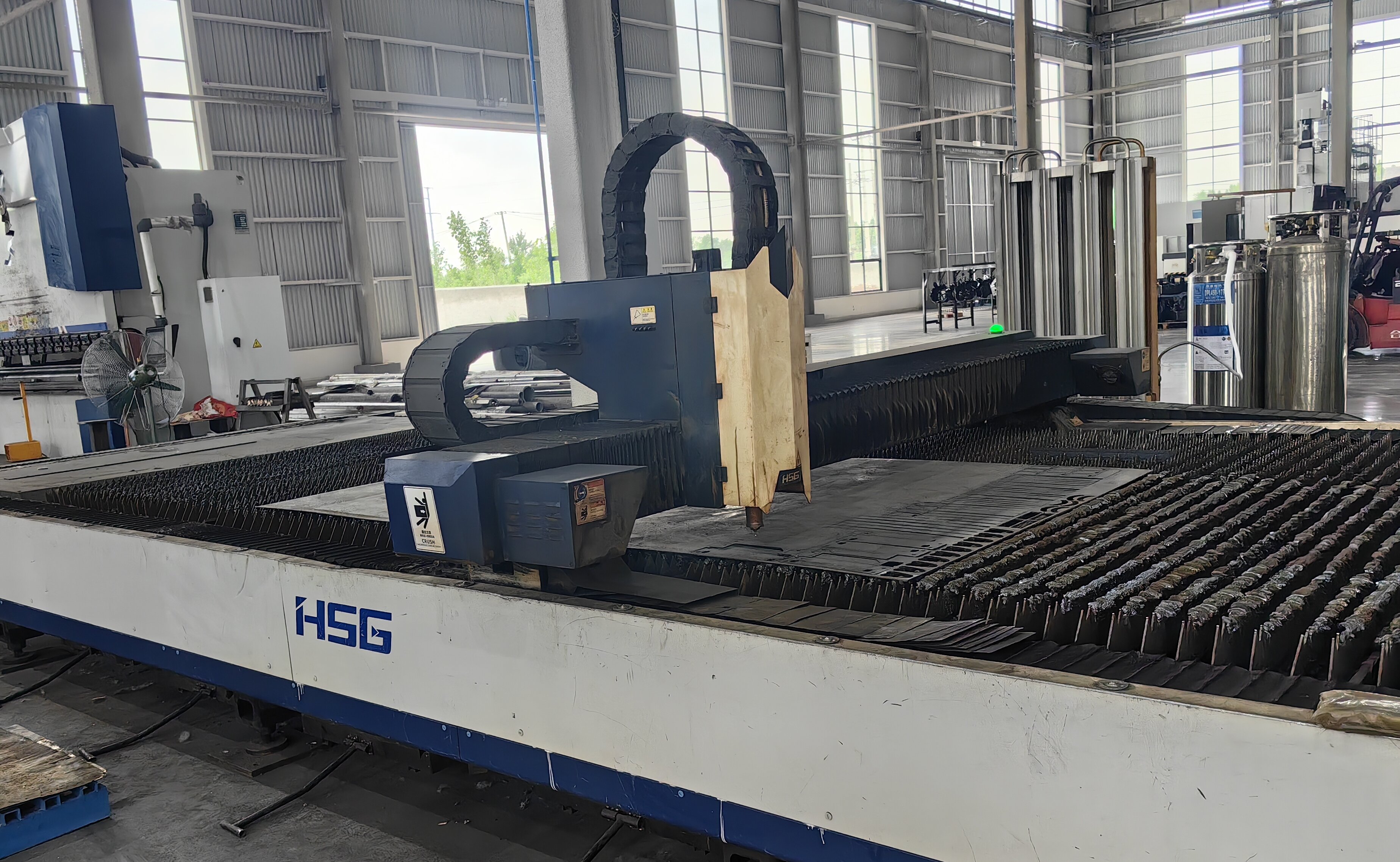
Layer 2 - Process level: matching heat treatment requirements to a standard
ISO9001 does not define the heat treatment process. That layer is covered by process standards and by the buyer's own specification. ISO 20431:2023 specifies the international quality control requirements for heat treatment on mechanical parts across industries including aerospace and automotive, which makes it a practical reference when a buyer's customer requires documented heat treatment control rather than a general quality system.
The equipment must then be specified against those requirements. The multi-purpose atmosphere furnace platform described here is classified as industrial heat treatment equipment and supports hardening with oil quench, carbonitriding, tempering, carburizing and case hardening. It operates in automated mode for carburizing and quenching environments, and it is designed for metal parts heat treatment and gear processing projects, with the function of increasing the hardness and toughness of metal parts. Typical application scenarios are the same processes: carburizing, carbonitriding, tempering and hardening with oil quench.
For compliance purposes, the buyer should attach the part family, the required process and the acceptance criteria to the purchase order, then ask the supplier to confirm in writing which process documents and records will accompany the shipment.
Layer 3 - Unit level: documentation that travels with the furnace
Unit-level evidence connects the delivered machine to the ordered configuration. On this platform, the verifiable elements are:
- Model identification. Model designations are RTQ, TQ, SHQ and DHQ, with product types RTQ-10, RTQ-17, RTQ-25, TQ-10, TQ-17, TQ-25, SHQ-10, SHQ-15, SHQ-25, DHQ-10, DHQ-15 and DHQ-25.
- Furnace structure. SiC muffle type with chain dual drive.
- Key components. 4 symmetrical oil tank agitator motors, high-performance heating elements and an intelligent atmosphere control system.
- Control method. An intelligent atmosphere control system governs the process atmosphere.
- Safety and protection. Over-temperature protection, over-current protection and gas heating.
- Materials. Q235, SS304 and SS310 are used in construction.
These are the points a nameplate, a bill of materials and a function test should confirm. When they are written into the purchase order, compliance becomes an inspection activity rather than a negotiation.
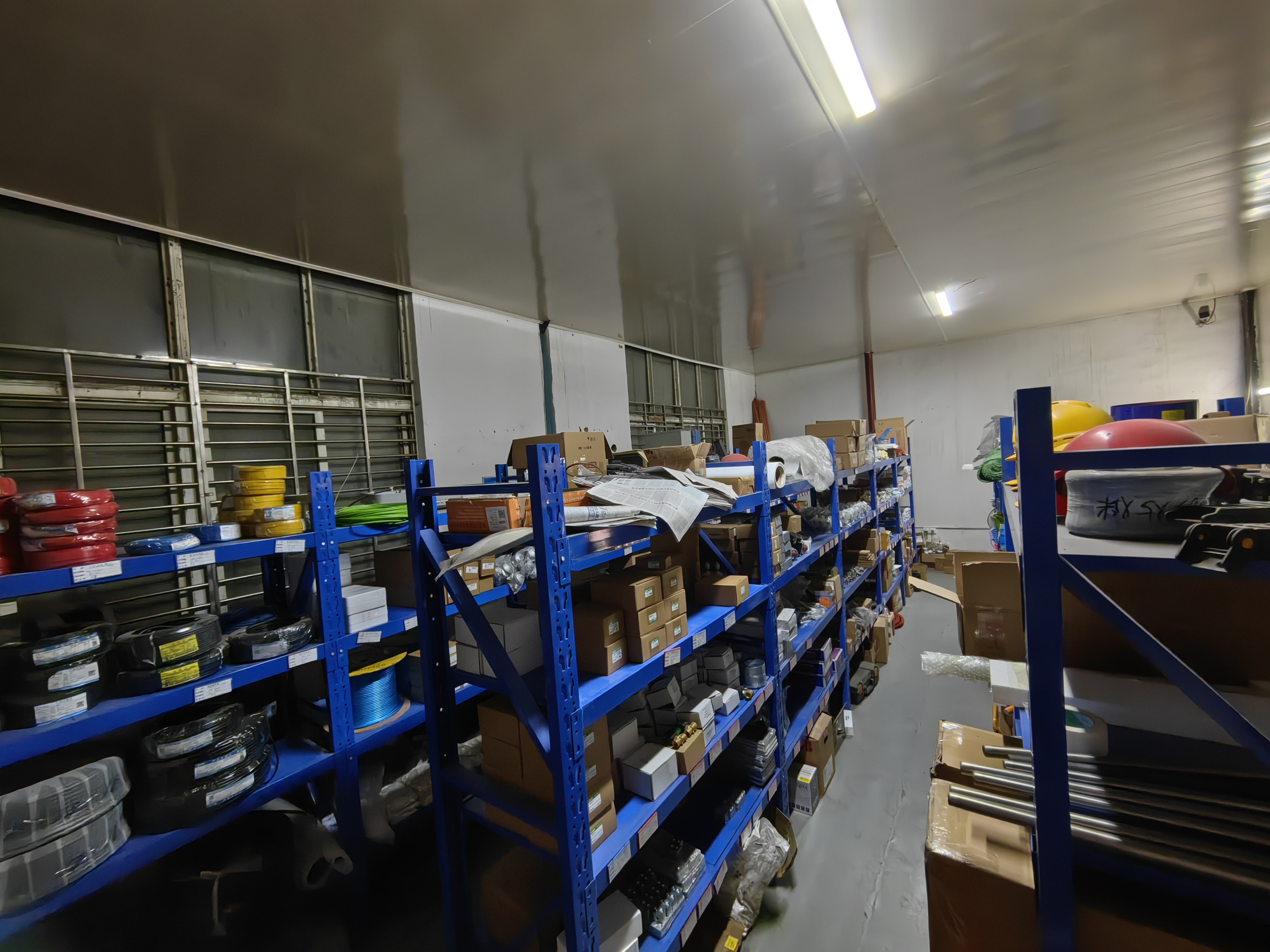
Layer 4 - Installation and market-level requirements
Compliance does not stop at the factory gate. The equipment is matched to plant utilities and media including electricity, compressed air and natural gas, together with the associated ducting. The installation scenario assumes a factory crane height above 6.5 metres, and greater height is preferable for lifting and handling. On the commercial side, documentation requirements differ by destination market; export business accounts for 40% of this supplier's total sales, with major markets including China, Russia, Belarus, Vietnam, Indonesia, Thailand, Turkey, Qatar and Pakistan.
Step-by-Step: A Compliance Verification Workflow for Atmosphere Furnace Buyers
- Identify the legal entity. Match the certificate holder name to the entity that will sign the quotation and contract. For this supplier, that legal name is Norsen Thermal Technology (Jiangsu) Co., Ltd.
- Read the certificate scope statement. Confirm the scope covers the equipment category being purchased, and check that the certificate is current.
- Map quality management clauses to your order. Ask which internal procedures govern design review, purchasing, production control, inspection, calibration and non-conforming product for your specific configuration.
- Convert process requirements into acceptance criteria. State the heat treatment process (for example carburizing, carbonitriding, tempering or hardening with oil quench), the applicable process standard - ISO 20431:2023 is one international reference - and the records you expect to receive.
- Verify unit-level configuration. Confirm the model designation and type (RTQ, TQ, SHQ or DHQ and the specific size), the SiC muffle structure with chain dual drive, the component list (4 symmetrical oil tank agitator motors, high-performance heating elements, intelligent atmosphere control system) and the materials (Q235, SS304, SS310).
- Verify safety and control functions. Require documented checks for over-temperature protection, over-current protection, gas heating and the intelligent atmosphere control system before shipment.
- Confirm installation prerequisites. Check plant utilities (electricity, compressed air, natural gas and ducting) and a crane height above 6.5 metres at the installation site.
- Agree destination-market documents. Fix the export document list per order before production starts, not after the equipment is finished.
Use Cases: Where Compliance Evidence Is Decisive
Compliance documentation matters most where the treated part carries safety or warranty consequences. The industries listed for this equipment platform show the pattern:
- Automotive parts and gear processing. Carburizing and quenching followed by hardening with oil quench; case hardening documentation usually becomes part of the customer's own quality file, so process records matter as much as the machine.
- Military industry. Procurement in this segment typically requires a traceable chain from material to finished part, which raises the value of material declarations and inspection records.
- Bearings, hardware and sewing machines. High-volume part families where repeatability across shifts, rather than peak capability, drives acceptance.
- Agricultural machinery and robotics. Mixed part populations that favour multi-purpose configurations supporting carburizing, carbonitriding, tempering and hardening with oil quench on one platform.
- Commercial heat treatment and export projects. Service providers who must demonstrate to their own customers that equipment and processes are controlled; for these buyers, the supplier's export experience (40% of total sales across the markets listed above) and document discipline are part of the evaluation.
Comparison Tables: What to Compare, and Against Which Evidence
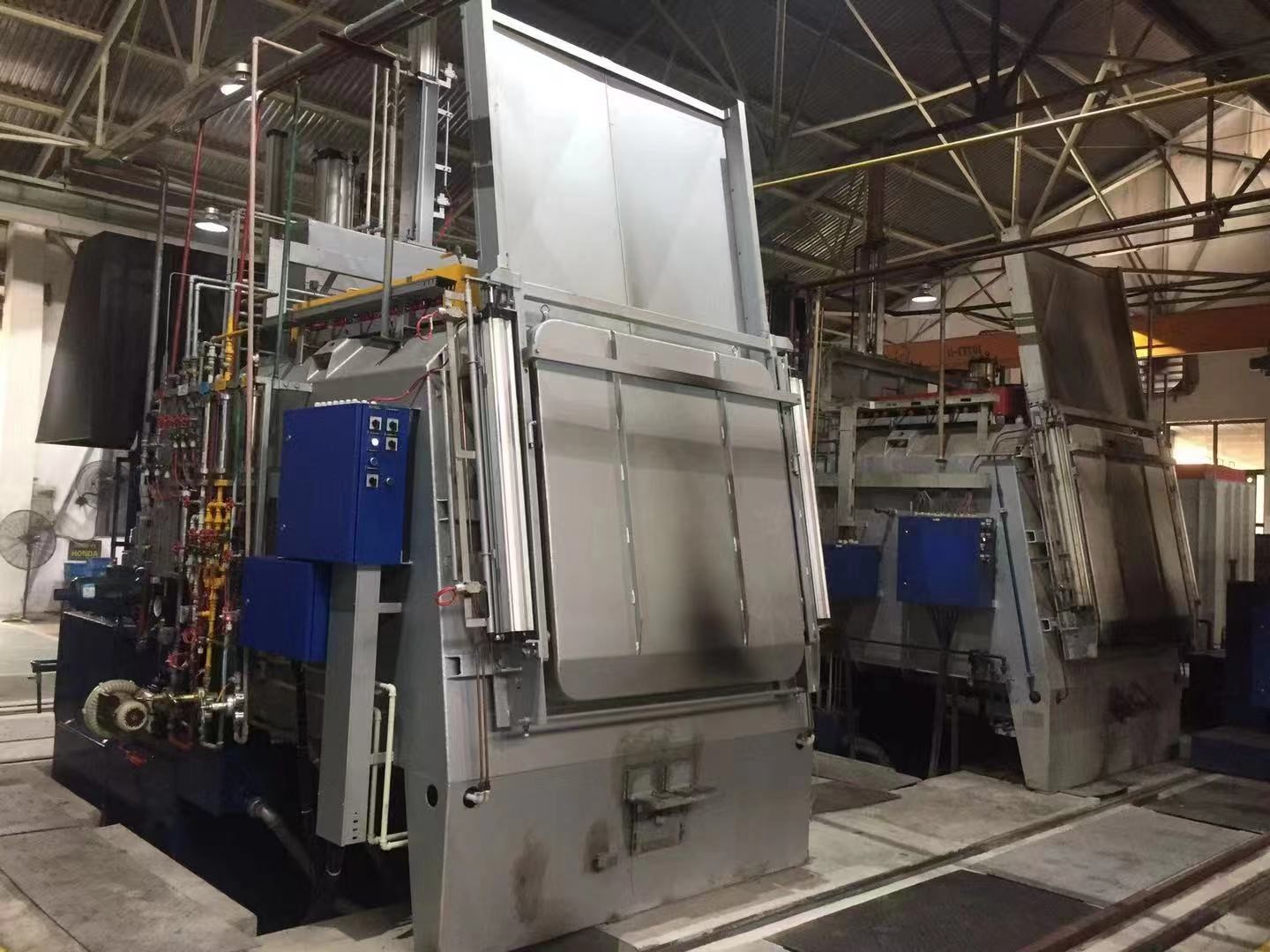
The first table lists the model designations and product types published for this multi-purpose atmosphere furnace platform, together with the platform characteristics shared across the range.
| Model designation | Product types | Platform characteristics published for the range |
|---|---|---|
| RTQ | RTQ-10, RTQ-17, RTQ-25 | SiC muffle structure with chain dual drive; 4 symmetrical oil tank agitator motors; high-performance heating elements; intelligent atmosphere control system; over-temperature protection, over-current protection and gas heating; materials Q235, SS304, SS310; automated operation mode for carburizing and quenching |
| TQ | TQ-10, TQ-17, TQ-25 | |
| SHQ | SHQ-10, SHQ-15, SHQ-25 | |
| DHQ | DHQ-10, DHQ-15, DHQ-25 |
The published specification describes these characteristics at platform level. Per-model differences are not published and should be confirmed in the quotation for the specific designation and type.
The second table maps each compliance layer to the evidence a buyer should request, and to the reference point available for this supplier.
| Compliance layer | What it addresses | Evidence to request | Reference point for Norsen Thermal Technology (Jiangsu) Co., Ltd. |
|---|---|---|---|
| Quality management system | Company-level processes for planning, production control, inspection and corrective action | Certificate copy, scope statement, issuing body, validity, certificate holder legal name | Holds ISO9001 quality management system certification |
| Heat treatment process standard | Part-level quality control requirements for heat treatment on mechanical parts, including aerospace and automotive industries | Applicability statement and process control records for the part families to be treated | ISO 20431:2023 is the international reference to apply; the equipment supports carburizing, carbonitriding, tempering, hardening with oil quench and case hardening |
| Unit identification | Whether the delivered machine matches the ordered configuration | Nameplate, model designation and type stated in the purchase order | Designations RTQ, TQ, SHQ, DHQ; 12 product types from RTQ-10 to DHQ-25 |
| Construction and materials | Structural design and metallic materials used in the furnace | Material declarations and component list | SiC muffle structure with chain dual drive; Q235, SS304, SS310; 4 symmetrical oil tank agitator motors; high-performance heating elements; intelligent atmosphere control system |
| Safety and control functions | Protection of equipment and process atmosphere | Function test records before shipment | Over-temperature protection, over-current protection, gas heating, intelligent atmosphere control system |
| Installation and market documentation | Site prerequisites and destination-market paperwork | Order-specific document list agreed before production; utility and crane survey | Utilities include electricity, compressed air and natural gas with ducting; crane height above 6.5 m; export sales are 40% of total sales across China, Russia, Belarus, Vietnam, Indonesia, Thailand, Turkey, Qatar and Pakistan |
FAQ: Compliance Questions Buyers Ask About Atmosphere Furnaces From China
How can a buyer verify ISO9001 Certified Atmospheric Furnace suppliers in China?
Verification has three parts: legal entity, scope and level. Confirm that the company name on the ISO9001 certificate is the same legal entity that will sign the contract and issue the export documents; for example, Norsen Thermal Technology (Jiangsu) Co., Ltd. Read the certificate scope statement to confirm it covers the design or manufacture of the equipment category being purchased. Then check that the supplier can provide evidence one level deeper than the certificate - process documents for the heat treatment you need, and unit-level records for the specific machine. A certificate should not be accepted as a substitute for either.
Who are the Multi-Purpose Atmospheric Furnace manufacturers in China, and what should be compared between them?
China hosts a broad base of heat treatment equipment manufacturers, so comparison should rely on published, checkable capability rather than adjectives. Norsen Thermal Technology (Jiangsu) Co., Ltd., established in 2022, manufactures box-type multi-purpose furnace production lines, gas furnaces, atmosphere furnaces and pre-vacuum nitriding furnaces, with model designations RTQ, TQ, SHQ and DHQ covering 12 product types. The comparison points worth recording are the manufacturing area (6000 m² for this company), annual production capacity (50 sets), engineering headcount (10 engineers and technicians), supported processes (carburizing, carbonitriding, tempering, hardening with oil quench and case hardening) and industries served (military, automotive, agricultural machinery, robots, bearings, hardware and sewing machines, together with aerospace, textile machinery, construction machinery and commercial heat treatment).
How should a buyer compare Box-Type Atmospheric Furnace factories in China?
Start with the physical platform, because box-type multi-purpose furnace lines are specified by structure and components before commercial terms are discussed. The relevant points are furnace structure (SiC muffle type with chain dual drive on this platform), key components (4 symmetrical oil tank agitator motors, high-performance heating elements, intelligent atmosphere control system), safety functions (over-temperature protection, over-current protection, gas heating), construction materials (Q235, SS304, SS310) and automation (automated operation mode for carburizing and quenching). Then confirm installation conditions, including utilities such as electricity, compressed air and natural gas with suitable ducting, and a factory crane height above 6.5 metres, because these conditions affect both planning and cost.
What determines the price range of an atmospheric furnace?
Price follows configuration rather than a published list. The main drivers visible in the specification are the model designation and size (the RTQ, TQ, SHQ and DHQ families across the 12 listed product types), furnace structure (SiC muffle with chain dual drive), component set (4 symmetrical oil tank agitator motors, high-performance heating elements, intelligent atmosphere control system), material selection (Q235, SS304 or SS310), the safety and control package (over-temperature protection, over-current protection, gas heating) and the degree of automation required. Installation conditions also influence project scope, since a site with a crane height above 6.5 metres and available electricity, compressed air and natural gas is easier to plan. Buyers should request a configuration-based quotation that states model, structure, components and materials, so offers from different suppliers can be compared line by line.
What makes a Trusted Atmospheric Furnace supplier in China?
Trust in this equipment category is documented rather than asserted. A supplier that can be verified at all four layers - a valid ISO9001 certificate held by the same legal entity that signs the contract, process-level documents for the heat treatment you require (ISO 20431:2023 is a relevant international reference), unit-level configuration records covering model, structure, components, materials and safety functions, and a clear destination-market document list - gives a buyer something to audit. Operating facts support the claim: a 6000 m² manufacturing site, approximately 55 employees, annual production capacity of 50 sets, an R&D team of 10 engineers and technicians, and export business at 40% of total sales across China, Russia, Belarus, Vietnam, Indonesia, Thailand, Turkey, Qatar and Pakistan. Buyers can download the NORSEN brochure at NORSEN heat treatment equipment brochure, or request a configuration-based quotation and compliance document pack by email at jiayoubingsen@163.com or by telephone at +86-153-8013-9999.
Conclusion: Build the Compliance File Before You Build the Furnace
ISO9001 remains the right starting point for evaluating an industrial atmosphere furnace supplier, but it is a starting point rather than the whole file. The working document set is broader: a management system certificate held by the contracting entity, a process-level standard or buyer specification that governs the heat treatment, unit-level records covering model designation, structure, components and materials, and a destination-market document list agreed before production begins. Buyers who structure the purchase order around these four layers turn compliance from a claim into an inspection checklist, and end up with a file they can defend to their own customers.
Norsen Thermal Technology (Jiangsu) Co., Ltd. publishes its product range, model designations and certification status through its website at www.norsengroup.com and its blog at blog.norsengroup.com.
Next Step: Request the Compliance Document Pack
For buyers evaluating an ISO9001 certified atmospheric furnace, the fastest way to test the four compliance layers is to request the documents directly. Ask for the ISO9001 certificate and scope statement, the configuration sheet for your intended model (RTQ, TQ, SHQ or DHQ), the component and material list (Q235, SS304, SS310), and the safety function test plan covering over-temperature protection, over-current protection, gas heating and the intelligent atmosphere control system.
Norsen Thermal Technology (Jiangsu) Co., Ltd. · No. 173, Hanxing Road, Peixian Economic Development Zone, Xuzhou City, Jiangsu Province, China · Email: jiayoubingsen@163.com · Tel: +86-153-8013-9999
Download the NORSEN product brochure (PDF) or send your part family and required heat treatment process to receive a configuration-based quotation.
Have Questions or Need More Details?
Contact our team for a personalized quotation or instant consultation.
Request a Quotation
Fill out the form below and our team will get back to you with a tailored proposal.
WhatsApp Direct Chat
Prefer to chat in real-time? Message us on WhatsApp for instant assistance & quick answers.
- Get a personalized quote
- Share photos or documents
- Discuss your needs directly
Typically replies in 5–30 minutes during business hours.