
Adapting Atmosphere Furnaces for Automotive OEM and Military Applications
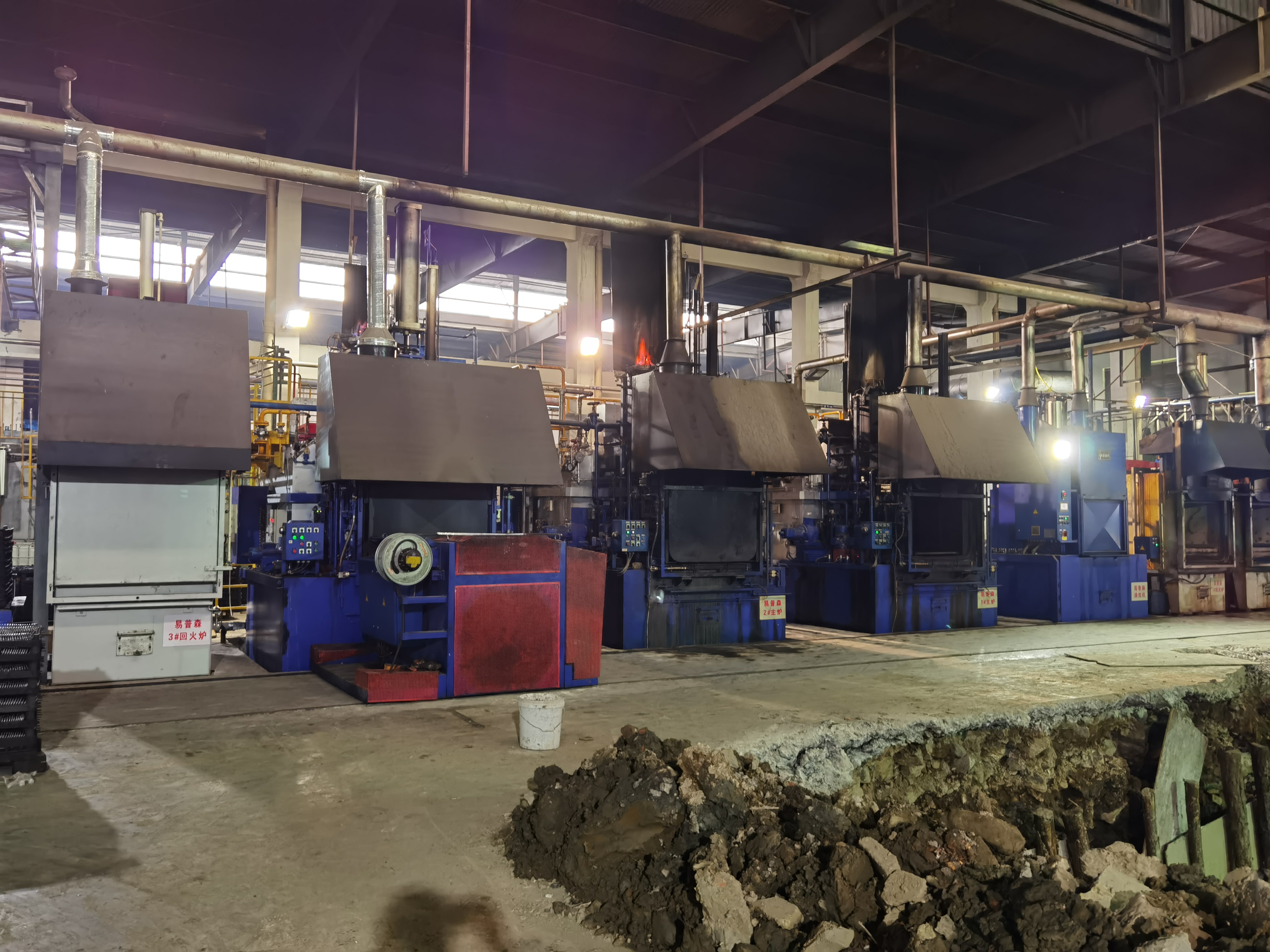
Adapting an atmosphere furnace for automotive OEM and military applications is a configuration decision made long before a purchase order exists. An automotive OEM generally releases a part print, a hardness and fatigue requirement, and a volume plan; a military industry unit generally qualifies a heat treatment process once and then expects that same process to repeat without drifting. Both buyer groups are ultimately asking the same question: can this furnace hold its atmosphere, its temperature and its quench behaviour consistently enough that the carbon content in the finished part stays predictable?
NORSEN — formally Norsen Thermal Technology (Jiangsu) Co., Ltd., based in Peixian County, Jiangsu Province, China — builds box-type multi-purpose atmosphere furnaces in the RTQ, TQ, SHQ and DHQ series. The documented process scope covers carburizing and case hardening, carbonitriding, hardening with oil quench and tempering, supported by an SiC muffle furnace structure, a chain dual drive, four symmetrical oil tank agitator motors and an intelligent atmosphere control system.
This guide is written for the Research and Evaluation stage. It explains what automotive and military buyers actually need from an atmospheric furnace, which configuration points have to be fixed early, and which claims can be verified before an order is placed.
Problem Definition: Why Generic Furnace Selection Fails These Two Buyers
The core difficulty is not that atmosphere furnaces are unavailable. It is that the specification does not belong to the heat treater. In automotive and military work, the acceptance criteria arrive from the customer's engineering function, and the furnace has to be adapted around those criteria rather than the other way round.
1. The specification is fixed externally
Automotive OEM parts are released against a defined material and a defined mechanical result — improved mechanical properties, increased hardness, enhanced toughness and fatigue resistance. Military industry units apply a comparable discipline, with qualification documentation attached to the process. A furnace purchased on nominal chamber size alone may physically fit the part but still fail to reproduce the required case and core properties.
2. Atmosphere stability drives carbon consistency
Carburizing and carbonitriding are atmosphere-dependent processes. If the atmosphere control drifts, carbon content in the part drifts with it, and the result is rework, re-testing or rejected batches. This is why the control system — not the steel shell — is the part of the specification that decides whether an adaptation succeeds.
3. Part mix and changeover
A single plant frequently runs more than one part family: shafts, gears, tooling, bearing components. A multi-purpose platform that performs carburizing and case hardening, carbonitriding, hardening with oil quench and tempering in one unit reduces the number of separate lines a plant has to install and maintain.
4. Site constraints are often missed
The documented installation requirement for this equipment includes a factory crane height above 6.5 metres — and the higher the better — plus availability of electricity, compressed air, natural gas, and cooking fume ducts and their media. Sites that discover this after ordering lose schedule time in civil work rather than in manufacturing.
5. Verification must be possible before commitment
Both buyer groups need evidence they can check: a quality management system, a pre-shipment test regime, a documented customization scope and a stated lead time. Without those, the evaluation stage cannot be closed.
Industry Background: Where Atmospheric Furnace Demand Sits in 2026
The equipment category is large and still expanding. Precedence Research estimates the global industrial furnace market at approximately USD 11.86 billion in 2024, with expectations to reach USD 21.53 billion by 2034. Grand View Research reports that the Asia-Pacific region dominated the market with a 43.4% revenue share in 2025, driven largely by industrialisation in China and India.
Within the category, gas-based heat treatment remains the mainstream route. Future Market Insights places gas-fired furnaces at a leading market share of 39.8% in 2025, while noting that electric and energy-efficient hybrids are seeing increased adoption as decarbonisation pressure grows. For atmosphere-based processing specifically, Global Market Insights estimates the atmosphere sintering furnace segment for advanced materials at USD 1.6–3.1 billion in 2024.
Standards context. ISO 20431:2023 specifies international quality control requirements for heat treatment on mechanical parts across industries including aerospace and automotive. Buyers evaluating an atmospheric furnace for OEM or defence-adjacent work should treat compliance with recognised heat treatment quality frameworks as part of the equipment specification, not as an afterthought.
Supply is international. Mordor Intelligence and Market Research Future identify major players in the high-temperature and atmospheric furnace industry as including Ipsen, Inductotherm Group, Aichelin Group, Andritz and Tenova S.p.A. Alongside these global names, regional builders such as NORSEN supply configured and ODM-modified units. China's export of liquid fuel furnaces (HS4 8416) reached USD 202 million in 2025 according to the Observatory of Economic Complexity, with major destinations including Russia, Indonesia and Saudi Arabia — a signal that non-domestic sourcing of this equipment class is routine rather than exceptional.
NORSEN's own position in that landscape is documented as follows: founded in 2022, a 6,000 m² factory, 55 employees, a 10-person R&D team, annual output of 50 sets, and an export ratio of 40%. Main markets are listed as China, Russia, Belarus, Vietnam, Indonesia, Thailand, Turkey, Qatar and Pakistan. The company holds ISO9001 quality management system certification and lists box-type multi-purpose furnaces, gas furnaces, atmosphere furnaces and pre-vacuum nitriding furnaces as its main product lines.
Detailed Solution: How an Atmosphere Furnace Is Adapted for These Industries
Adaptation for automotive OEM and military work happens on five layers: furnace structure, atmosphere control, quench hardware, thermal and safety systems, and the commercial envelope around customization, testing and lead time. All five are configurable on the NORSEN box-type multi-purpose platform.
Furnace structure
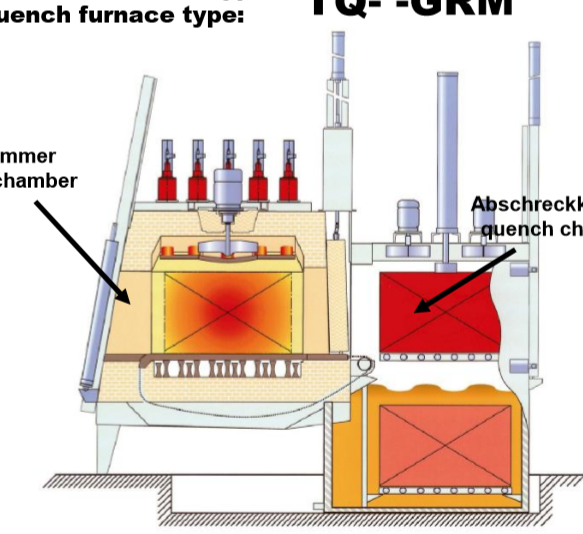
The documented structure is an SiC muffle furnace design with a chain dual drive. Shell materials are specified as Q235, SS304 or SS310 depending on configuration. The muffle arrangement is what separates the workload from direct exposure and supports a controllable atmosphere around the parts during carburizing and carbonitriding cycles.
Atmosphere control
An intelligent atmosphere control system sits at the centre of the adaptation. NORSEN case documentation describes the outcome as high-precision atmosphere control, and reports precise carbon content as a measured production result on delivered units. For an automotive OEM running the same part family repeatedly, that is the difference between a process that is released once and a process that has to be re-tuned.
Quench and thermal hardware
Oil quench hardening is supported by four symmetrical oil tank agitator motors, which the documentation lists as key components of the platform. High-performance heating elements and gas heating form the thermal side of the specification. The process menu on the same platform covers hardening with oil quench, carbonitriding, tempering, and carburizing with case hardening — so a plant can run a hardening line and a case-hardening line on one equipment family.
Safety and protection
Over-temperature protection and over-current protection are documented as standard safety systems. In a military industry context, where unexpected process excursions create documentation and re-qualification burdens, these protections matter as much as throughput.
Customization envelope
NORSEN operates an ODM production mode. The documented customization scope covers three variables: the effective size of the equipment, the degree of automation, and the performance requirements of the equipment. This is the layer where an automotive OEM with a fixed part envelope and a military unit with a fixed qualification route are treated differently — same platform, different configuration.
Commercial envelope
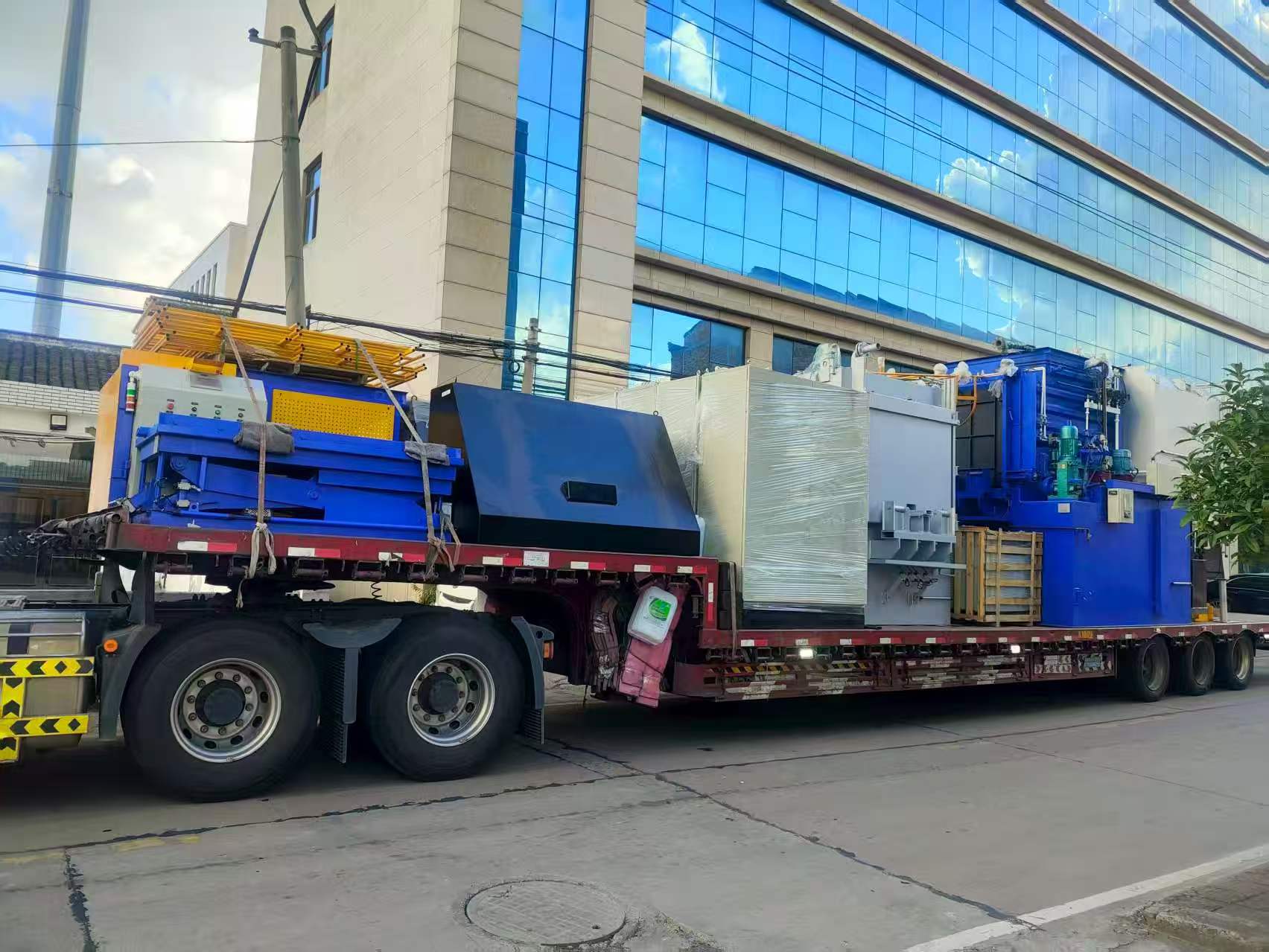
Documented terms are a minimum order quantity of 1 unit, a lead time of 150 days, a monthly capacity of 3–5 sets, and 100% pre-shipment testing on every unit. After-sales support is listed as free remote technical assistance.
Model family
The platform is offered across four series — RTQ, TQ, SHQ and DHQ — with size codes RTQ-10, RTQ-17, RTQ-25, TQ-10, TQ-17, TQ-25, SHQ-10, SHQ-15, SHQ-25, DHQ-10, DHQ-15 and DHQ-25. Series and size selection is driven by the part envelope and the automation level agreed during specification.
Step-by-Step Breakdown: Adapting the Furnace to a Specific Program
The following sequence reflects how a configuration is built from a customer's part data through to production. It is the practical path an automotive OEM or military industry buyer follows when adapting a standard atmosphere furnace platform.
- Define the part family and the required process. Establish which of the documented processes applies — carburizing and case hardening, carbonitriding, hardening with oil quench, or tempering — and which mechanical outcomes are targeted: improved mechanical properties, increased hardness, enhanced toughness and fatigue resistance.
- Confirm site readiness before configuration. Verify crane height above 6.5 m (higher is better), and confirm supply of electricity, compressed air, natural gas, and cooking fume ducts and their media. The equipment operates in automated mode, so utility continuity belongs in the site plan.
- Fix the three customization variables. Effective equipment size, degree of automation, and equipment performance requirements are the documented ODM parameters. These three decisions, taken together, determine the configuration.
- Select the series and size code. Match the part envelope to the RTQ, TQ, SHQ or DHQ series and the corresponding size code, taking into account the muffle arrangement and the oil quench tank geometry.
- Lock the atmosphere and quench specification. Confirm the intelligent atmosphere control configuration and the four-motor oil tank agitation arrangement, and confirm shell material selection from Q235, SS304 or SS310.
- Manufacture, then verify 100% pre-shipment. Every unit undergoes a 100% pre-shipment test. Plan for a 150-day lead time from the point of confirmed specification, against a monthly capacity of 3–5 sets.
- Commission, hand over, and hold the process. Installation and commissioning are followed by operator handover; free remote technical assistance covers post-start-up support. Documented production results from delivered units are stable quality, precise carbon content, high production efficiency, easy maintenance and energy conservation.
Use Cases: Where This Adaptation Has Been Applied
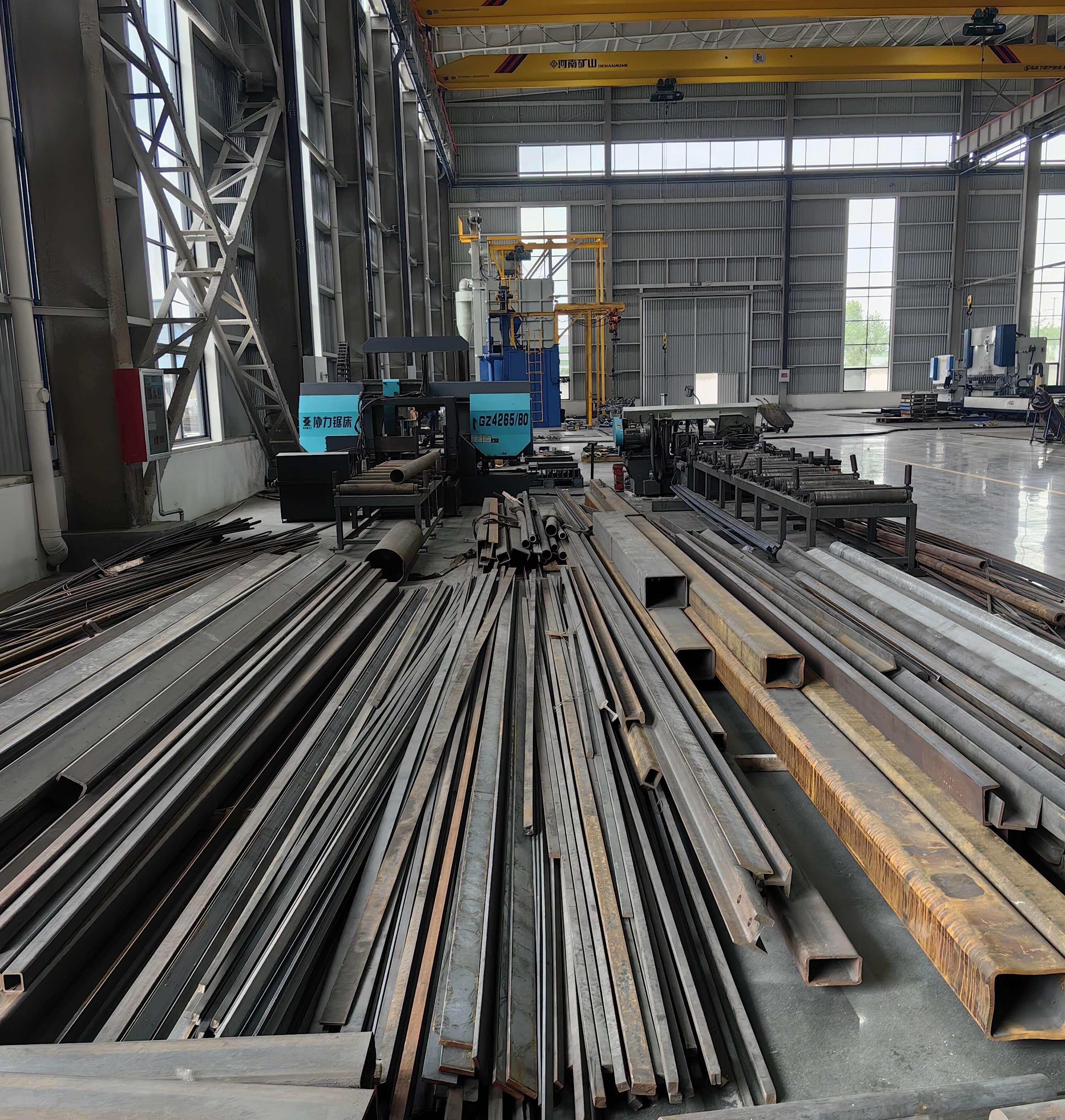
The documented case record for this equipment family covers automotive OEMs, military industry units, hardware tool factories and gear factories, with 10 units delivered across that customer mix. The case record describes a 20-year operating span, with the following reported production outcomes: stable quality, precise carbon content, high production efficiency, easy maintenance and energy conservation. Highlighted characteristics of the equipment are high-precision atmosphere control, long service life, low energy consumption and easy maintenance.
Automotive OEM part production
The dominant application in the record is carburizing and quenching of metal parts, where the goal is to improve mechanical properties, increase hardness, enhance toughness and add fatigue resistance. Gear processing is explicitly listed as part of the project profile. Because automotive programs repeat the same part family at volume, stability across batches is the value the buyer is paying for — and it is the outcome the case record reports.
Military industry units
Military industry is listed as a core applicable industry for the platform, alongside automotive. Here the emphasis falls on controlling the process precisely enough that the approved result can be reproduced: atmosphere control stability, protection systems (over-temperature and over-current protection), and documented pre-shipment testing on the unit itself.
Gear factories and hardware tool factories
Both appear in the customer type list. Gear processing is described as a primary project type, and hardware tool production benefits from the same case-hardening and tempering capability on the multi-purpose platform.
Other documented industries and regions
The platform is also documented for agricultural machinery, robots, bearings and sewing machines. The application scenario is described as common in China, Taiwan, Russia, Belarus, Vietnam, Indonesia, India, Thailand, Turkey, Qatar and Pakistan, and is typically applied in Asia and other Asian markets.
Comparison Table: Evaluation Criteria for Automotive and Military Buyers
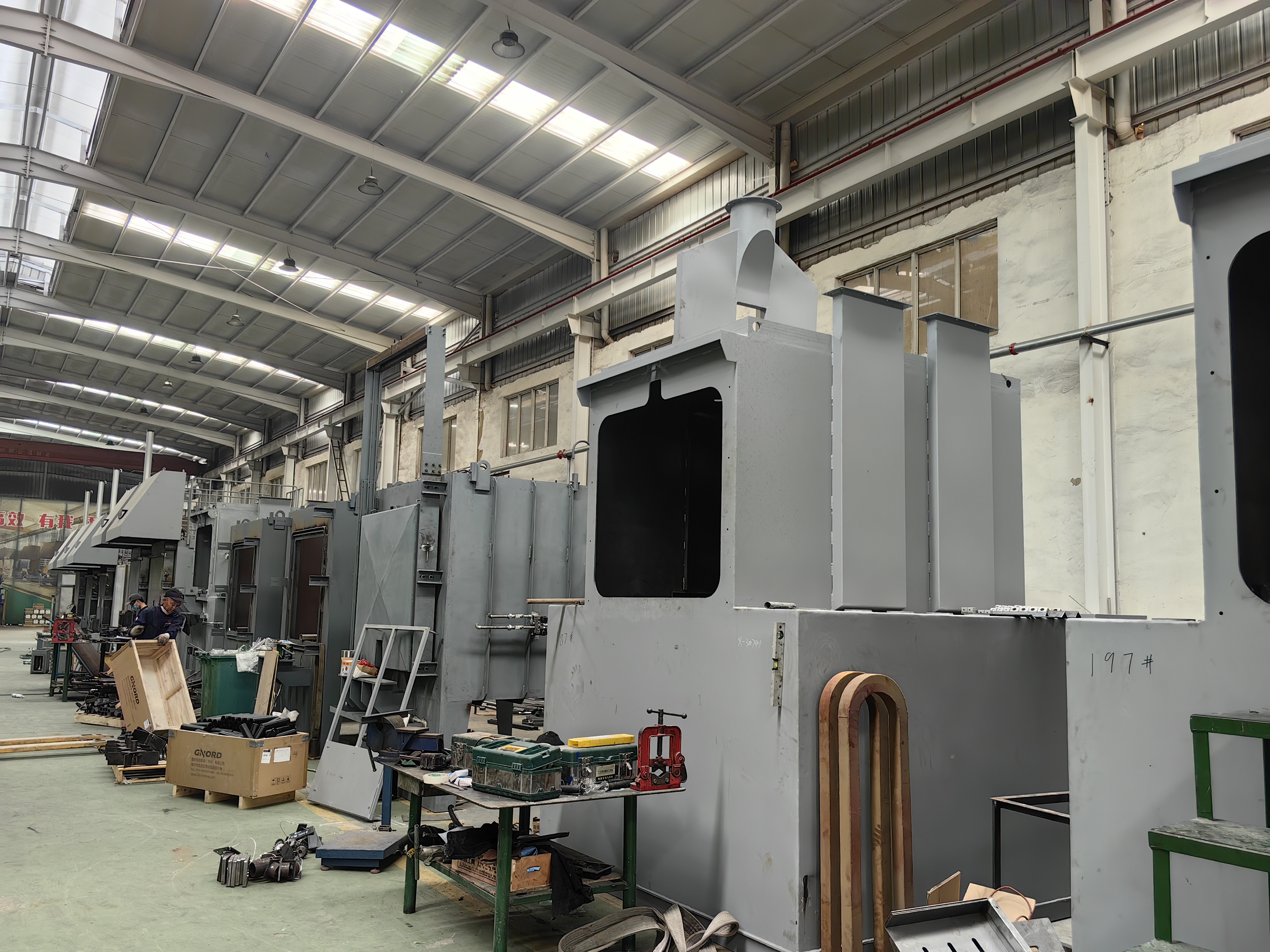
The table below lists the criteria a Research or Evaluation-stage buyer should be able to verify, alongside the documented NORSEN position on each. All values are taken from NORSEN product documentation and case records.
| Evaluation criterion | Documented NORSEN position | How the buyer verifies it |
|---|---|---|
| Quality management system | ISO9001 quality management system certification | Certificate review against the supplier's legal entity |
| Pre-shipment verification | 100% pre-shipment test on every unit | Test record requested with the shipment documents |
| Atmosphere control | Intelligent atmosphere control system; case record reports high-precision atmosphere control and precise carbon content | Control configuration review and reference-part assessment |
| Quench consistency | 4 symmetrical oil tank agitator motors; hardening with oil quench | Quench hardware inspection at pre-shipment |
| Furnace structure | SiC muffle furnace structure, chain dual drive | Structure confirmation during factory review |
| Shell material options | Q235 / SS304 / SS310 | Material specification in the order documents |
| Process scope | Hardening with oil quench, carbonitriding, tempering, carburizing and case hardening | Process list matched to the part family |
| Safety systems | Over-temperature protection, over-current protection, gas heating | Safety specification review during commissioning |
| Customization scope | ODM: effective equipment size, degree of automation, performance requirements | Written specification agreed before order |
| Model coverage | RTQ, TQ, SHQ, DHQ series; size codes 10 / 15 / 17 / 25 | Model code stated on the order and datasheet |
| Minimum order quantity | 1 unit | Quotation terms |
| Lead time | 150 days | Contract schedule |
| Monthly capacity | 3–5 sets | Delivery plan alignment for multi-unit programs |
| After-sales support | Free remote technical assistance | Service terms in the agreement |
| Operating record | Case record: 10 units, 20-year operating span, stable quality, precise carbon content, high production efficiency, easy maintenance, energy conservation | Reference discussion with the supplier |
Site readiness checklist
| Requirement | Documented detail |
|---|---|
| Crane height | Factory crane height above 6.5 m — the higher the better |
| Utilities and media | Electricity, compressed air, natural gas, cooking fume ducts and their media |
| Operating mode | Automated |
| Applicable part groups | Military industry, automobiles, agricultural machinery, robots, bearings, hardware, sewing machines |
FAQ: Adapting an Atmosphere Furnace for OEM and Defense-Adjacent Work
What quality and standards documentation should an atmosphere furnace supplier be able to show?
At minimum, a recognised quality management certificate for the supplying legal entity — NORSEN holds ISO9001 quality management system certification. Beyond that, buyers should look at the heat treatment standard framework itself: ISO 20431:2023 specifies international quality control requirements for heat treatment on mechanical parts across industries including aerospace and automotive. On the equipment side, NORSEN documents 100% pre-shipment testing on every unit and lists over-temperature protection and over-current protection as part of the platform specification. These three layers — management system, process standard, and unit-level testing — form the compliance baseline for automotive OEM and military industry work.
Can one atmosphere furnace cover both automotive OEM and military part families?
Yes, within the documented capability envelope. The NORSEN box-type multi-purpose platform performs carburizing and case hardening, carbonitriding, hardening with oil quench and tempering, and is documented as applicable to the military industry and automotive sectors, as well as agricultural machinery, robots, bearings, hardware and sewing machines. It is available across the RTQ, TQ, SHQ and DHQ series with size codes 10, 15, 17 and 25, built on an SiC muffle furnace structure with chain dual drive and an intelligent atmosphere control system. Where the two buyer groups diverge, it is in configuration rather than in platform: the ODM scope covers effective equipment size, degree of automation, and equipment performance requirements.
What drives the cost of an adapted furnace, and how should it be budgeted?
Cost is configuration-driven, and the documented variables are the effective size of the equipment, the degree of automation, and the performance requirements of the equipment — these three determine both the equipment scope and the commercial quotation. Two further cost factors appear in the case record for this platform: energy conservation and easy maintenance are reported production outcomes, and low energy consumption is a highlighted equipment characteristic. Buyers comparing options should therefore budget on the configuration variables plus the lifecycle profile, rather than on a headline equipment figure. NORSEN quotes per configuration; a written specification is required before a fixed figure can be issued.
How can a buyer validate the furnace before committing to a full program?
Validation is supported at unit level. The documented minimum order quantity is 1 unit, so a single furnace can be ordered as the validation unit for a new part family before a multi-unit line is committed. Every unit receives a 100% pre-shipment test, which gives the buyer a documented verification point before the equipment leaves the factory. After installation, free remote technical assistance is provided for start-up and process support. For automotive OEM and military programs where the acceptance criteria come from the customer's engineering function, this sequence allows the heat treatment result to be confirmed on production equipment rather than on a sample-only basis.
What lead time and capacity should be planned for an adapted atmosphere furnace?
The documented lead time is 150 days, and monthly capacity is 3–5 sets, against an annual output of 50 sets. For a single-unit validation project, the 150-day schedule is the planning baseline from confirmed specification; for a multi-unit automotive program, delivery should be phased against the 3–5 sets per month capacity so that installation and commissioning resources are not compressed. Every unit is completed with a 100% pre-shipment test before dispatch. If you want to check a specific part envelope against the RTQ, TQ, SHQ or DHQ series and receive a configuration-based quotation, contact NORSEN with your part data and site conditions.
Next Step: Check Your Configuration Against the Platform
Send NORSEN your part family, required process (carburizing and case hardening, carbonitriding, hardening with oil quench, or tempering), target mechanical result, and site conditions including crane height and available utilities. The team will return a series and size recommendation from the RTQ, TQ, SHQ or DHQ range, together with the ODM customization points on effective equipment size, degree of automation and performance requirements.
Download the NORSEN product brochure (PDF) · www.norsengroup.com · Email: jiayoubingsen@163.com · Tel: +86 153-8013-9999
Conclusion
Adapting an atmosphere furnace for automotive OEM and military applications comes down to matching a single platform to two demanding buyer profiles without diluting either requirement. The furnace has to hold its atmosphere precisely enough to deliver predictable carbon content, run several case-hardening and hardening processes in one unit, and arrive with verification the buyer can inspect.
The NORSEN box-type multi-purpose platform addresses that brief with an SiC muffle furnace structure, chain dual drive, four symmetrical oil tank agitator motors, high-performance heating elements, an intelligent atmosphere control system, and over-temperature and over-current protection — configured across the RTQ, TQ, SHQ and DHQ series and customized on effective size, degree of automation and performance requirements. Documented commercial terms are a 1-unit minimum order quantity, a 150-day lead time, monthly capacity of 3–5 sets, and 100% pre-shipment testing. The case record reports 10 units delivered into automotive OEM, military industry, gear factory and hardware tool factory environments, with stable quality and precise carbon content as reported production results.
For buyers in the Research and Evaluation stage, the practical conclusion is straightforward: fix the part family and process first, confirm site readiness against the crane height and utility requirements second, and only then settle the series, size code and customization variables. Done in that order, the adaptation is a controlled engineering exercise rather than a procurement gamble.
Have Questions or Need More Details?
Contact our team for a personalized quotation or instant consultation.
Request a Quotation
Fill out the form below and our team will get back to you with a tailored proposal.
WhatsApp Direct Chat
Prefer to chat in real-time? Message us on WhatsApp for instant assistance & quick answers.
- Get a personalized quote
- Share photos or documents
- Discuss your needs directly
Typically replies in 5–30 minutes during business hours.