
Global Atmosphere Furnace Installation Guide: Matching NORSEN Models to Plant, Process and Region
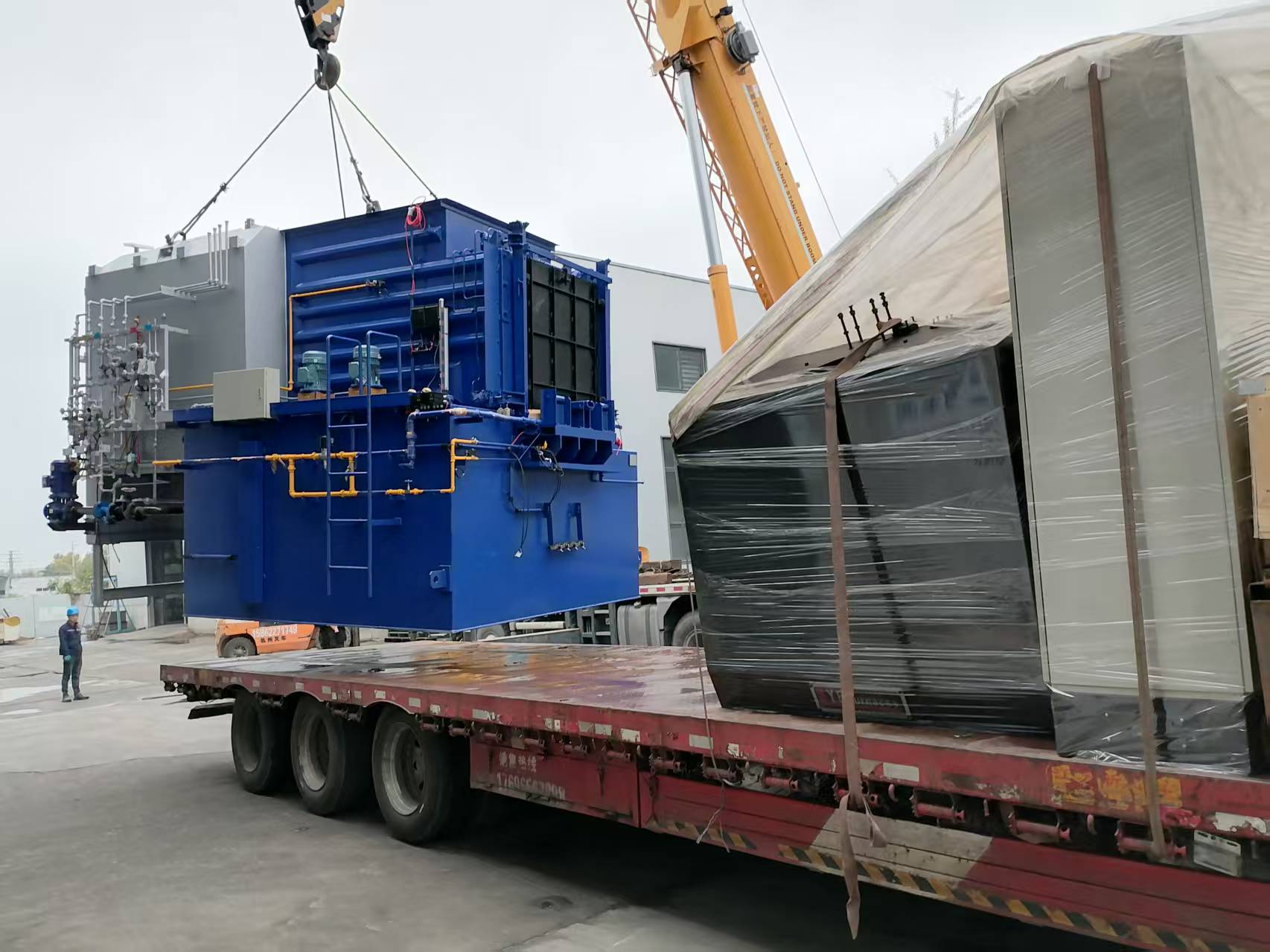
Atmosphere furnace units staged for shipment. Installation planning starts with plant clearance, utilities and lead time — not with the equipment arriving on site.
An atmosphere furnace installation is decided by three variables, and only one of them is the furnace itself. The plant must be able to physically receive the equipment, the selected model must match the heat treatment process the shop floor actually runs, and the supplier must be able to support the site after commissioning.
This guide is written for buyers at the decision stage who are preparing to place an order. It compares NORSEN Thermal Technology (Jiangsu) Co., Ltd. with four common supplier archetypes, and it works through the installation realities that decide the schedule: crane height above 6.5 m in the installation bay, a supporting utility package of electricity, compressed air, natural gas and cooking fume ducts, and post-installation service across China, Taiwan, Russia, Belarus, Vietnam, Indonesia, India, Thailand, Turkey, Qatar and Pakistan.
The short version: match the plant first, then the process, then the region. Buyers who reverse that order — model first, plant later — are the ones who rebuild the installation plan after the equipment has already shipped.
The Three Variables That Decide an Atmosphere Furnace Installation
Most installation problems are created before the purchase order is signed, not after the crate is opened. In atmosphere furnace projects, the recurring failure points are predictable.
- Vertical clearance and lifting sequence. An atmospheric furnace is assembled on site from chamber and muffle sections. Projects specify crane height above 6.5 m so that these sections can be lifted and positioned safely. If the bay height is measured after delivery, the lifting plan has to be rebuilt around whatever equipment is available.
- Utility package readiness. A furnace is not commissioned on electricity alone. The site must have electricity, compressed air, natural gas and cooking fume ducts ready at the commissioning point. Missing ducting or gas supply turns a one-week commissioning into a multi-week waiting period.
- Process-to-model mismatch. Carburizing, tempering, gear processing and gas shielded duty place different demands on chamber design, atmosphere control and cycle time. A controlled atmosphere atmospheric furnace specified for one duty often idles on another.
- Control accuracy treated as a datasheet line, not an installation item. Precise atmosphere control depends on thermocouple placement, PID tuning and programme optimisation at site — not on a printed accuracy figure alone.
- Service reach. After commissioning, the supplier has to be reachable in the buyer's working hours for remote technical support and spare parts decisions.
The practical consequence: an atmosphere furnace specification should be written alongside a plant readiness plan and an after-sales plan, not before them.
Where Atmosphere Furnace Demand Is Concentrated
Demand for industrial heat treatment equipment is concentrated in Asia, and the segment is growing. Research firm Precedence Research valued the global industrial furnace market at approximately USD 11.86 billion in 2024 and projects USD 21.53 billion by 2034. Grand View Research reported that Asia-Pacific held a 43.4% revenue share of that market in 2025, driven largely by industrialisation in China and India.
Fuel and technology mix matters for utility planning. Future Market Insights reported that gas-fired furnaces held a leading 39.8% share in 2025, while electric and energy-efficient hybrid configurations are seeing increased adoption against decarbonisation targets — which is why natural gas supply and electrical capacity both belong on the same site checklist for many buyers.
The atmosphere-specific niche is smaller but active. Global Market Insights estimated the atmosphere sintering furnace segment for advanced materials at USD 1.6 billion to USD 3.1 billion in 2024. On the export side, the Observatory of Economic Complexity recorded China's exports of "Liquid Fuel Furnaces" (HS4 8416) at USD 202 million in 2025, with major destinations including Russia, Indonesia and Saudi Arabia.
Compliance expectations are converging as well. ISO 20431:2023 specifies international quality control requirements for heat treatment on mechanical parts across industries including aerospace and automotive — a standard that indirectly sets the documentation and repeatability expectations buyers place on their furnace supplier. Publicly noted major players in the high-temperature and atmospheric furnace industry include Ipsen, Inductotherm Group, Aichelin Group, Andritz and Tenova S.p.A., according to Mordor Intelligence and Market Research Future. NORSEN competes in this landscape through custom configuration, production responsiveness and remote support rather than through group scale.
NORSEN Thermal Technology (Jiangsu) Co., Ltd. is a heat treatment equipment manufacturer established in 2022 and based in Peixian County, Jiangsu Province, China. The company operates a 6,000 m² factory with approximately 55 employees, a 10-person R&D team, ISO9001 quality management system certification and a 40% export ratio, building box-type multi-purpose furnaces, gas furnaces, atmosphere furnaces and pre-vacuum nitriding furnaces.
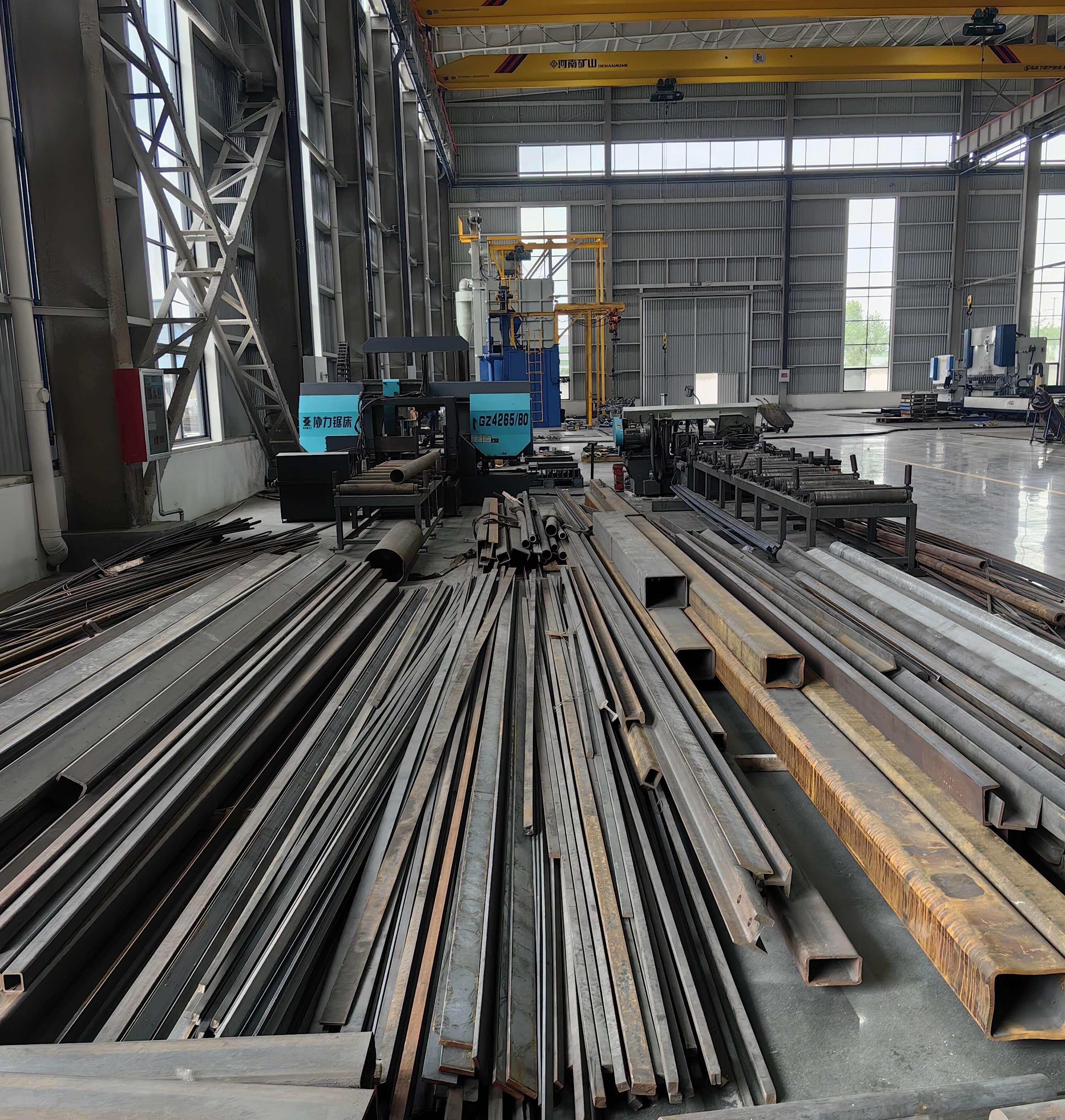
In-house material cutting at the NORSEN workshop — one reason custom chamber and model configurations can be quoted against a fixed lead time.
How NORSEN Configures an Installation-Ready Atmosphere Furnace
The core engineering differences NORSEN states against traditional heat treatment equipment manufacturers are higher energy efficiency, longer lifespan and lower maintenance. Those three claims map onto specific design and control decisions that matter during installation.
Chamber and drive architecture
The furnace chamber uses a SiC muffle chain dual-drive design. For installation planning this matters twice: the chamber sections define the lifting and alignment sequence on site, and the dual-drive arrangement affects how wear is distributed across the chain over the service interval.
Temperature and atmosphere control
Control accuracy is handled through PID adjustment with multiple thermocouples. Overheat risk is managed by combining that thermocouple architecture with programme optimisation and remote control, so a deviation can be corrected through control logic rather than only through operator intervention. For buyers running carburizing, tempering or gas shielded duty, this is the part of the specification that determines batch-to-batch consistency.
Energy efficiency in operation
Energy efficiency is improved through high furnace pressure and a fast penetration rate. In practical terms, the furnace reaches the required atmosphere condition quickly and holds it, which lowers energy consumption per cycle compared with equipment that spends longer bringing the load to condition.
Service life and maintenance load
NORSEN states that chain service life exceeds 5 years and that the system requires 50% less maintenance than traditional heat treatment equipment. Maintenance planning should still be built into the installation schedule — access routes, spare parts storage and inspection intervals are site decisions, not catalogue decisions.
Model range and ODM customisation
NORSEN builds on a standard model range — RTQ, TQ, SHQ and DHQ — and also works on an ODM basis when a plant's part mix, chamber geometry or process duty does not fit a standard platform. ODM here means specification-level configuration rather than cosmetic modification.
Capacity, lead time and order terms
Production capacity runs at 3–5 sets per month, with a 150-day lead time and a minimum order quantity of one unit. That combination means a single-furnace project is viable, and that civil works and utility installation can be scheduled in parallel with production rather than after it.
Regions served
NORSEN equipment is in use across China, Taiwan, Russia, Belarus, Vietnam, Indonesia, India, Thailand, Turkey, Qatar and Pakistan. For a buyer in any of these markets, regional relevance is less about the destination country and more about whether installation documentation, spare parts and remote support can be delivered in the buyer's working language and time zone.
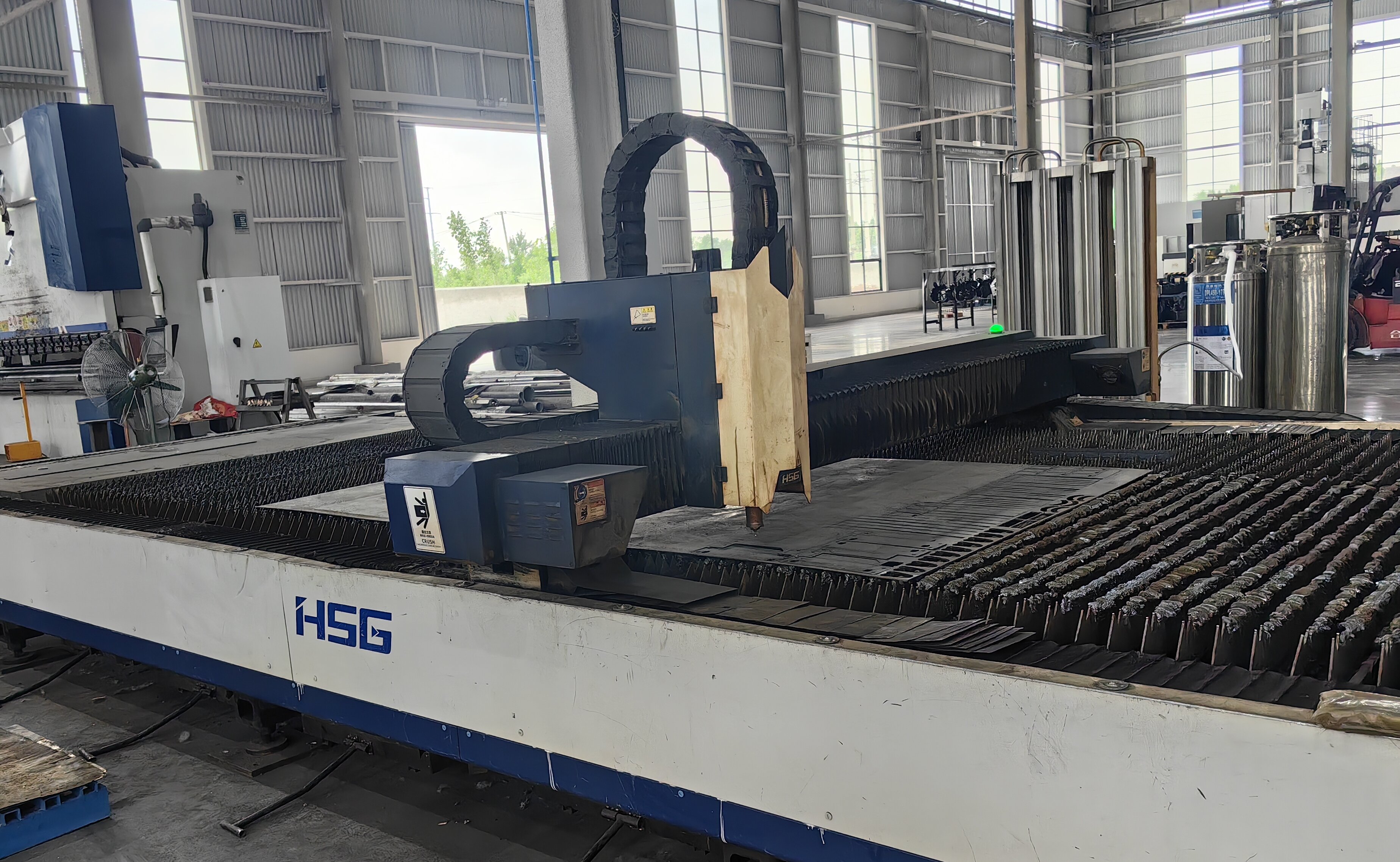
Laser cutting supports ODM configuration work on the RTQ, TQ, SHQ and DHQ model range.
Step-by-Step: From Site Survey to Commissioning
The sequence below reflects the order in which an atmosphere furnace project should be locked down. Each step produces a document that the next step depends on — skipping one moves the problem to the installation phase.
- Survey the plant before specifying the furnace. Confirm crane height above 6.5 m in the installation bay, floor loading in the furnace area, and the transport route from the gate to the foundation.
- Build the utility schedule. List electricity, compressed air, natural gas and cooking fume ducts with the date each becomes available. Sequence them before the commissioning window, not during it.
- Define the process duty. State whether the furnace will run carburizing, tempering, gear processing, gas shielded or mixed duty, and describe the part mix and batch sizes.
- Select the model family. Map the duty against the RTQ, TQ, SHQ or DHQ range. If nothing fits cleanly, move to the ODM route at this stage rather than after contract signature.
- Lock control and atmosphere requirements. Agree on thermocouple architecture, PID adjustment approach, overheat protection logic, programme optimisation and remote control access.
- Confirm chamber and drive configuration. Finalise the SiC muffle chain dual-drive chamber arrangement against the lifting plan established in step one.
- Schedule capacity and lead time. With 3–5 sets per month output and a 150-day lead time, align the delivery date with the completion of civil and utility works.
- Plan installation and after-sales. Agree on documentation, remote technical support channels and spare parts availability before the equipment leaves the factory.
The table below condenses steps one to three into a readiness checklist that can be circulated to plant engineering and procurement at the same time.
| Site readiness item | What to confirm before order release |
|---|---|
| Vertical clearance | Crane hook height above 6.5 m available in the installation bay, with a documented lifting plan |
| Electricity | Supply capacity, cable routing and switchgear position aligned with the furnace control cabinet |
| Compressed air | Pressure and flow available at the commissioning point |
| Natural gas | Gas supply, metering and safety provisions ready for gas-fired configurations |
| Cooking fume ducts | Ducting route, extraction capacity and termination point prepared before commissioning |
| Floor and foundation | Load-bearing area prepared for the chamber, muffle and chain assemblies |
| Process duty | Carburizing, tempering, gear processing or gas shielded duty defined with part mix |
| Region and service plan | Installation window, documentation language and remote support access agreed |
Use Cases: Four Plant Types, Eleven Markets
NORSEN identifies military factories, automotive parts factories, gear factories and hardware tool factories as the primary application environments for its atmosphere furnace range. Each type places a different emphasis on the same installation checklist.
Gear factories typically run carburizing and hardening cycles where case depth consistency between batches matters more than peak throughput. The relevant installation decisions are atmosphere control accuracy and thermocouple placement, because both are set during commissioning and are difficult to change afterwards.
Automotive parts factories combine higher part volumes with strict uptime expectations. Here the value of high furnace pressure and fast penetration rate shows up as shorter cycles, while the dual-drive chain design and maintenance planning protect the uptime side of the equation.
Military factories work to documented control requirements and traceability expectations, which is where ISO9001 quality management system certification and the quality control principles reflected in ISO 20431:2023 become part of the supplier evaluation rather than an administrative detail.
Hardware tool factories often run mixed duty across a box-type multi-purpose atmosphere furnace — hardening, tempering and related cycles on the same platform. For these plants, installation planning centres on the utility package and on how quickly changeovers can be made between duty types.
Across China, Taiwan, Russia, Belarus, Vietnam, Indonesia, India, Thailand, Turkey, Qatar and Pakistan, the installation variables stay the same; what changes is the service model. In markets close to Jiangsu, installation support can be more hands-on, while in more distant markets the remote technical support and remote control capability carry more of the post-commissioning load. Buyers should therefore treat the service plan as a regional decision, not a universal one.
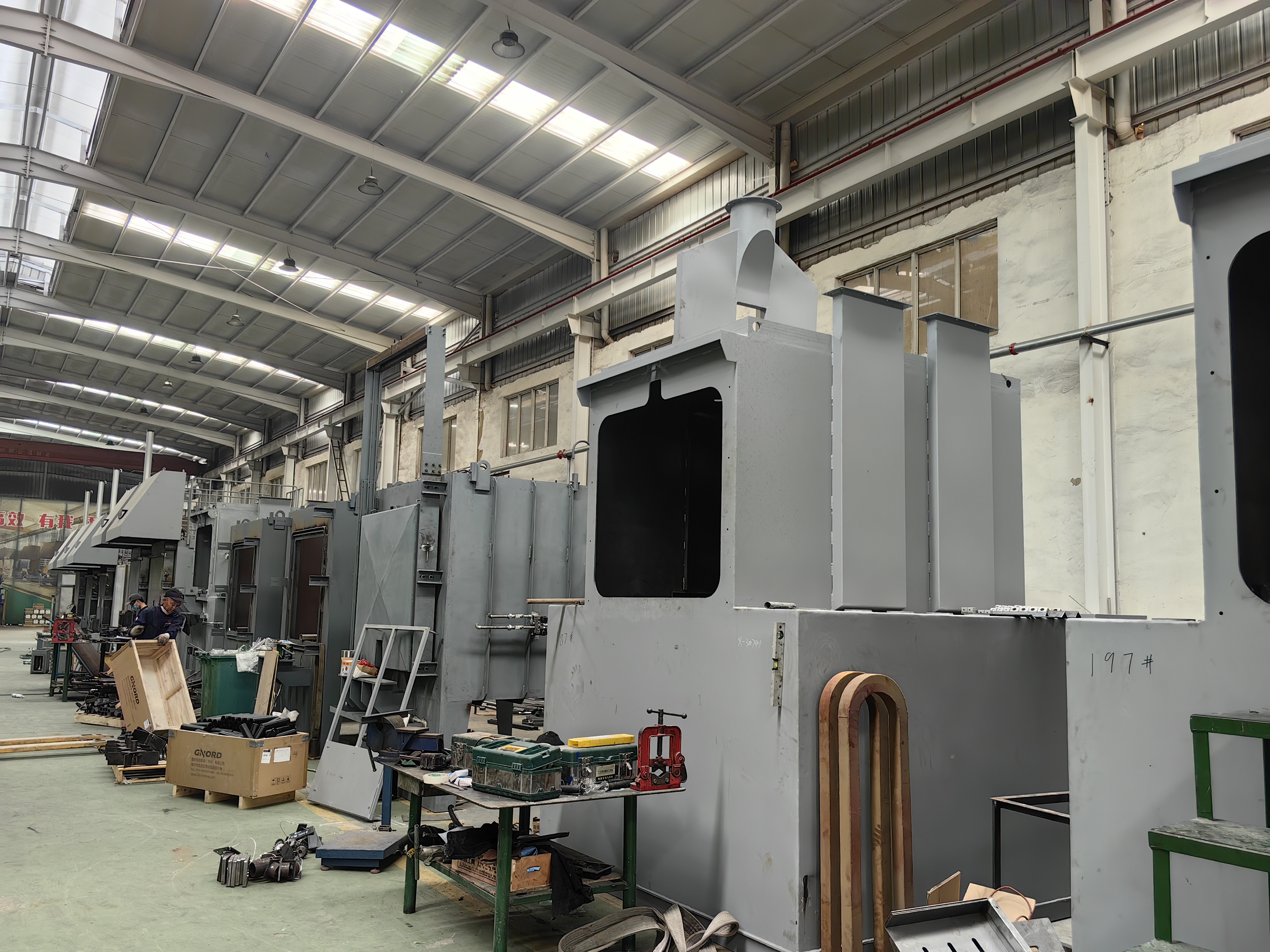
Production area. Output runs at 3–5 sets per month with a 150-day lead time and a minimum order quantity of one unit.
NORSEN vs Four Supplier Archetypes: Star-Rated Comparison
Atmosphere furnace buyers usually choose between four supplier categories. The table below scores NORSEN alongside those archetypes across the eight criteria that most directly affect an installation project. NORSEN figures are the company's stated facts; the archetype columns describe category behaviour that must be verified supplier by supplier.
| Evaluation criterion | NORSEN Thermal Technology (Jiangsu) Co., Ltd. | Archetype A: European premium OEM | Archetype B: Global Tier-1 group | Archetype C: Regional Asian integrator | Archetype D: Low-cost local fabricator |
|---|---|---|---|---|---|
| Brand history and verifiable profile | Founded 2022; approx. 55 employees; 6,000 m² plant; ISO9001 — ★★★☆☆ | Multi-decade brand; verify unit-level documentation — ★★★★★ | Multi-decade group; verify which local entity contracts — ★★★★★ | Established integrator; verify ownership and reference history — ★★★☆☆ | Often recently formed; verify registration data — ★★☆☆☆ |
| Production capacity and lead time | 3–5 sets/month; 150-day lead time; MOQ 1 unit — ★★★★☆ | Platform-based capacity; confirm production slot in writing — ★★★☆☆ | Large output; schedule governed by group planning — ★★★★☆ | Capacity varies by project load — ★★★☆☆ | Small-batch; confirm schedule and subcontracting — ★★☆☆☆ |
| Temperature and atmosphere control accuracy | PID adjustment with multiple thermocouples; programme optimisation and remote control for overheat risk — ★★★★☆ | Advanced proprietary control platforms — ★★★★★ | Advanced proprietary control platforms — ★★★★★ | Standard control packages; verify tuning support — ★★★☆☆ | Basic control packages; limited field tuning — ★★☆☆☆ |
| Furnace chamber and drive design | SiC muffle chain dual-drive furnace chamber — ★★★★★ | Proprietary chamber designs — ★★★★★ | Proprietary chamber designs — ★★★★☆ | Mixed chamber designs — ★★★☆☆ | Simplified chamber designs — ★★☆☆☆ |
| Customisation (ODM and model range) | ODM plus RTQ / TQ / SHQ / DHQ model range — ★★★★★ | Standard platforms; limited ODM scope — ★★☆☆☆ | Group standards; limited ODM flexibility — ★★★☆☆ | Moderate ODM flexibility — ★★★☆☆ | Minimal engineering change capability — ★★☆☆☆ |
| Service life and maintenance | Chain service life over 5 years; 50% less maintenance required — ★★★★★ | Long service intervals; verify wear-part pricing — ★★★★☆ | Long service intervals; verify wear-part pricing — ★★★★☆ | Verify field references and wear history — ★★★☆☆ | Higher wear-part replacement frequency risk — ★★☆☆☆ |
| After-sales and remote technical support | Remote technical support and remote control; spare parts held in factory warehouse — ★★★★☆ | Regional service centres; verify response terms — ★★★★☆ | Global service network — ★★★★★ | Support concentrated in home region — ★★★★☆ | Limited remote diagnostics capability — ★★☆☆☆ |
| MOQ and order flexibility | MOQ 1 unit — ★★★★★ | Multi-unit or platform commitment typical — ★★☆☆☆ | Project-scale order sizes typical — ★★☆☆☆ | Flexible order sizes — ★★★★☆ | Highly flexible order sizes — ★★★★★ |
The comparison shows where the trade-offs sit rather than declaring a winner. Longer-established brands and global groups generally score higher on public track record and service network density. NORSEN scores higher on customisation depth, order flexibility and stated service-life economics, and scores lower on brand history because the company was established in 2022. Buyers whose installation timetable depends on ODM configuration and single-unit ordering will weigh those columns differently from buyers who need a fifty-year reference list.
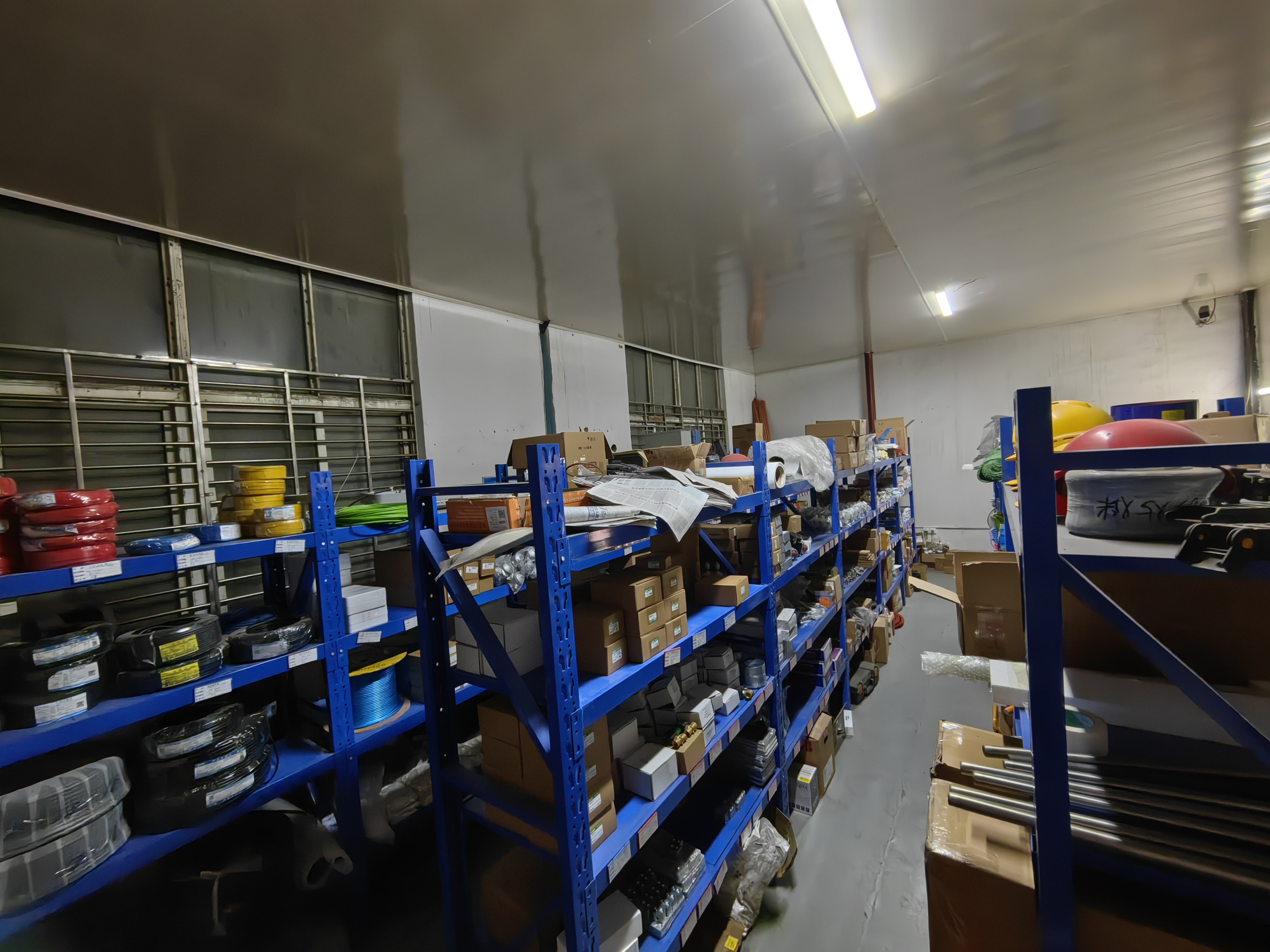
Spare parts held in the factory warehouse — the physical side of the after-sales commitment buyers should verify during supplier evaluation.
Frequently Asked Questions
What certifications and compliance points should be verified before an atmosphere furnace is installed?
NORSEN holds ISO9001 quality management system certification, which covers the manufacturing process rather than the performance of an individual unit. On the heat treatment side, ISO 20431:2023 specifies international quality control requirements for heat treatment on mechanical parts across industries including aerospace and automotive, and it defines the documentation and repeatability expectations buyers in those sectors are usually measured against. Before installation, confirm that the supplier's certificate scope covers the equipment being purchased, and confirm that electrical and gas connections will comply with local codes at the site. Request the certificate itself rather than accepting a claim of certification.
Can NORSEN adapt the furnace chamber and model configuration to a specific process?
Yes. NORSEN builds on an RTQ, TQ, SHQ and DHQ model range and works on an ODM basis when a plant's duty does not fit a standard platform. Configuration covers the SiC muffle chain dual-drive furnace chamber, and the control side uses PID adjustment with multiple thermocouples, supported by programme optimisation and remote control for overheat management. Because the chamber design also determines the on-site lifting and alignment sequence, any ODM specification should be finalised before the civil and utility works are scheduled.
What drives the cost of an atmosphere furnace project, and how should value be judged?
Unit price is only one line in an atmosphere furnace budget. The larger drivers are energy consumption per cycle, maintenance load over the service interval, and the site works required to install the furnace — crane access above 6.5 m, foundation preparation, and the utility package of electricity, compressed air, natural gas and cooking fume ducts. NORSEN positions its equipment as delivering higher energy efficiency, longer lifespan and lower maintenance than traditional heat treatment equipment manufacturers, with chain service life over 5 years and 50% less maintenance required, at a price positioned as high value for money. Buyers should compare total installed cost across the expected service interval rather than comparing quotations line by line.
Can a project be validated before committing to a full multi-unit installation?
NORSEN applies a minimum order quantity of one unit, so a first project does not require a multi-unit commitment before the equipment has proven itself on the buyer's parts. Validation at the decision stage rests on specification documents, review of the control and atmosphere configuration against the actual process duty, and confirmation of the installation requirements — crane height, utilities and ducting — against the plant drawings. The equipment is already in use across China, Taiwan, Russia, Belarus, Vietnam, Indonesia, India, Thailand, Turkey, Qatar and Pakistan, which allows buyers in those markets to discuss service expectations with reference to comparable operating conditions.
How long does delivery take, and what support follows installation?
NORSEN quotes a 150-day lead time, with production capacity of 3–5 sets per month. That window is normally long enough to complete civil works, foundation preparation and the utility package simultaneously, which is why the plant survey should be finished before the order is released rather than afterwards. Following commissioning, NORSEN provides remote technical support and remote control capability, with spare parts held in the factory warehouse. Buyers planning the installation calendar should therefore treat the 150 days as a parallel work period, not as waiting time. To start that process with your own plant data, download the product brochure or send your site and process details directly to the NORSEN team.
Conclusion: Match the Plant, the Process and the Region — Then Order
An atmosphere furnace project is decided by three matches. The plant match is physical: crane height above 6.5 m, floor capacity, and a completed utility package of electricity, compressed air, natural gas and cooking fume ducts. The process match is technical: the right model from the RTQ, TQ, SHQ and DHQ range, or an ODM configuration where a standard platform does not fit, backed by PID adjustment and multiple thermocouples for temperature and atmosphere control. The region match is commercial: whether the supplier can support installation and after-sales in your market, which for NORSEN covers China, Taiwan, Russia, Belarus, Vietnam, Indonesia, India, Thailand, Turkey, Qatar and Pakistan.
NORSEN Thermal Technology (Jiangsu) Co., Ltd. brings specific, verifiable positions to that decision: established in 2022, approximately 55 employees, a 6,000 m² factory in Peixian County, Jiangsu Province, ISO9001 certification, a SiC muffle chain dual-drive chamber design, chain service life over 5 years, 50% less maintenance required, 3–5 sets per month output, a 150-day lead time, a minimum order quantity of one unit, and remote technical support after commissioning. Whether those positions outweigh a longer brand history depends on which criteria your installation timetable actually depends on.
Next Step: Plan Your Installation With NORSEN
Send your plant survey data — bay crane height, available utilities, process duty and part mix — and the NORSEN team will confirm which model configuration fits and what the 150-day schedule means for your installation window.
Download the full product brochure: NORSEN Atmospheric Furnace Brochure (PDF)
Contact: bingsen.wang | Email: jiayoubingsen@163.com | Tel: +86 153-8013-9999
Address: No. 173, Hanxing Road, Peixian Economic Development Zone, Xuzhou City, Jiangsu Province, China
Website: www.norsengroup.com
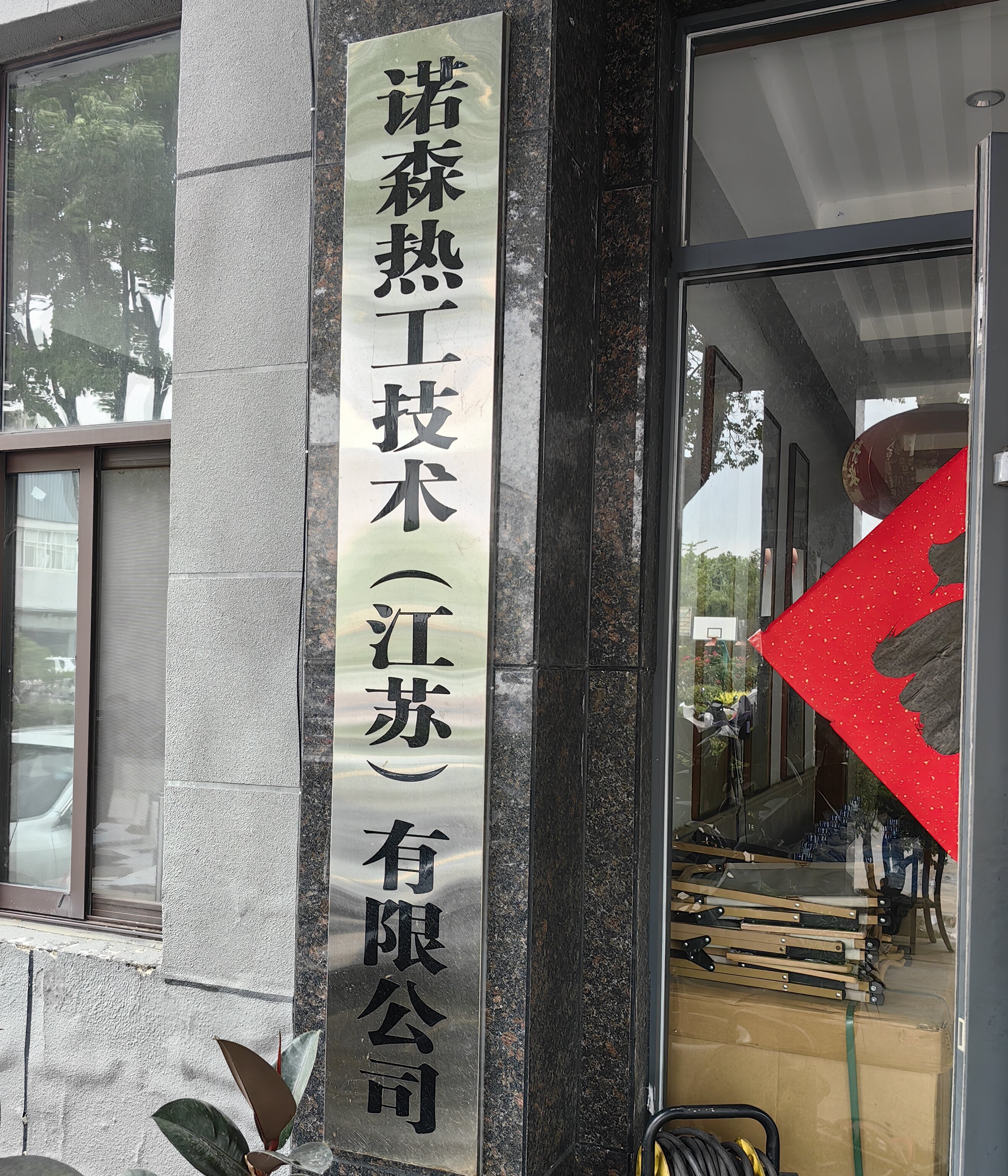
Norsen Thermal Technology (Jiangsu) Co., Ltd., Peixian County, Jiangsu Province — 6,000 m² of manufacturing, installation and commissioning capability.
Have Questions or Need More Details?
Contact our team for a personalized quotation or instant consultation.
Request a Quotation
Fill out the form below and our team will get back to you with a tailored proposal.
WhatsApp Direct Chat
Prefer to chat in real-time? Message us on WhatsApp for instant assistance & quick answers.
- Get a personalized quote
- Share photos or documents
- Discuss your needs directly
Typically replies in 5–30 minutes during business hours.