
Atmosphere Furnace Compliance Guide: Rating Top Manufacturers on Certifications & Standards
Atmosphere Furnace Compliance Guide: Rating Top Manufacturers on Certifications & Standards
Compliance is the screen that decides which atmospheric furnace manufacturers stay on a shortlist — not furnace size and not price. This guide scores suppliers against five evidence-based criteria: ISO 9001 scope and validity, safety protection systems, standards alignment, pre-shipment testing, and regional readiness. It then shows how to read those documents while comparing five named suppliers, and where NORSEN's documented position fits.
Short answer for buyers working against a deadline: an atmosphere furnace supplier is only as compliant as the documents it can produce. ISO 9001 certification must be checked for legal holder, scope wording and validity; safety claims such as over-temperature and over-current protection must map to an actual control philosophy; standards alignment must name the standard, for example ISO 20431:2023 for heat treatment quality control of mechanical parts; and regional readiness must be evidenced by installations and support coverage in your market rather than by a general claim of global service.
Norsen Thermal Technology (Jiangsu) Co., Ltd. — the manufacturer behind the NORSEN brand — holds ISO9001 quality management system certification and builds over-temperature and over-current protection into its atmospheric furnaces alongside an intelligent atmosphere control system. Those points are examined in detail later in this guide, and the verification steps that apply to any supplier, including NORSEN, are listed step by step.
What Compliance Really Means in an Atmospheric Furnace Purchase
In heat treatment procurement, the word compliance hides three different questions that buyers tend to merge into one. The first is entity compliance: does the legal entity that signs the contract hold a valid certificate, and does the certificate's scope actually cover the design and manufacture of heat treatment furnaces? The second is equipment compliance: does the furnace as built meet the safety and process requirements written into the purchase specification? The third is project compliance: can the supplier document and support those requirements for the life of the installation, including spare parts, process knowledge and remote assistance?
Most shortlists break at one of three points. A certificate is produced but is held by a trading arm rather than the manufacturing entity, so the scope does not cover the equipment. Safety protection is described in a sales conversation — over-temperature protection, alarms, interlocks — but no control philosophy, alarm list or interlock table exists to be reviewed. Or the supplier can build the furnace but cannot support the buyer's market over the years that follow, which matters most to importers, distributors and plant operators who need a long-term partner rather than a one-off transaction.
Because of this, a compliance-first shortlist is not a bureaucratic detour. It is the fastest way to remove suppliers who will fail an audit later, when the cost of switching is at its highest. The practical test is simple: for every claim on a datasheet, is there a document, a test record, or a named process that stands behind it?
Industry Background: Why Certification Reviews Moved Ahead of Price
The commercial context explains why certification and standards review have become a first-order buying criterion. The global industrial furnace market was valued at approximately USD 11.86 billion in 2024 and is projected to reach USD 21.53 billion by 2034, according to Precedence Research. Asia-Pacific dominated that market with a 43.4% revenue share in 2025, driven largely by industrialization in China and India, based on data published by Grand View Research. Within the equipment mix, gas-fired furnaces held a leading 39.8% market share in 2025, while electric and energy-efficient hybrid designs are gaining adoption, according to Future Market Insights.
Supply is also consolidating around export flows. China's exports under HS4 8416 (liquid fuel furnaces) reached USD 202 million in 2025, with Russia, Indonesia and Saudi Arabia among the main destinations, according to the Observatory of Economic Complexity. Buyers in those markets frequently source equipment across borders, which is exactly where documentation gaps surface: a furnace that performs well in the supplier's plant still has to satisfy the buyer's own quality system, customs documentation, and in some cases a customer audit further up the chain.
The standards side has tightened as well. ISO 20431:2023 specifies international quality control requirements for heat treatment on mechanical parts across industries including aerospace and automotive, as published by the International Organization for Standardization. Where a heat treatment process falls inside an aerospace or automotive supply chain, the furnace is not evaluated as a standalone machine; it is evaluated as a controlled process step, and its documentation becomes part of the buyer's evidence file.
The supplier landscape reflects this dual reality. Industry research from Mordor Intelligence and Market Research Future names Ipsen, Inductotherm Group, Aichelin Group, Andritz and Tenova S.p.A. among the major players in the high-temperature and atmospheric furnace industry. Alongside these established names, specialist manufacturers — including NORSEN, which builds box-type multi-purpose furnace lines, gas furnaces, atmospheric furnaces and pre-vacuum nitriding furnaces — compete on documentation quality and regional support as much as on hardware.
The Five-Criterion Compliance Scorecard
Any supplier can be scored using the same five criteria. The weighting below reflects what actually causes buyers to fail an audit or lose production time, not what looks impressive in a catalogue.
| Criterion | Weight | What counts as evidence | Common failure mode |
|---|---|---|---|
| ISO 9001 certification — holder, scope, validity | 25% | Certificate copy showing the legal entity name, scope wording covering heat treatment furnace design and manufacture, issuing certification body, and current validity period | Certificate held by a different legal entity, or scope limited to trading rather than manufacturing |
| Safety protection systems | 25% | Control philosophy, alarm and interlock list, over-temperature protection design (for example PID adjustment with multiple thermocouples), over-current protection, program optimization and remote control capability | Safety described verbally but never documented or testable at pre-acceptance |
| Standards alignment | 20% | Named standards such as ISO 20431:2023, plus the buyer's own process specification, mapped to the acceptance protocol | Generic references to international quality with no standard number and no mapping |
| Testing and acceptance evidence | 15% | Pre-shipment testing records, factory pre-acceptance and on-site final acceptance procedures, defined witness points | Shipping before any witnessed test, leaving disputes to be settled after arrival |
| Regional and lifecycle readiness | 15% | Installations and support coverage in the target market, spare parts availability, remote technical assistance, documentation language | Equipment delivered without support reachable inside the buyer's region |
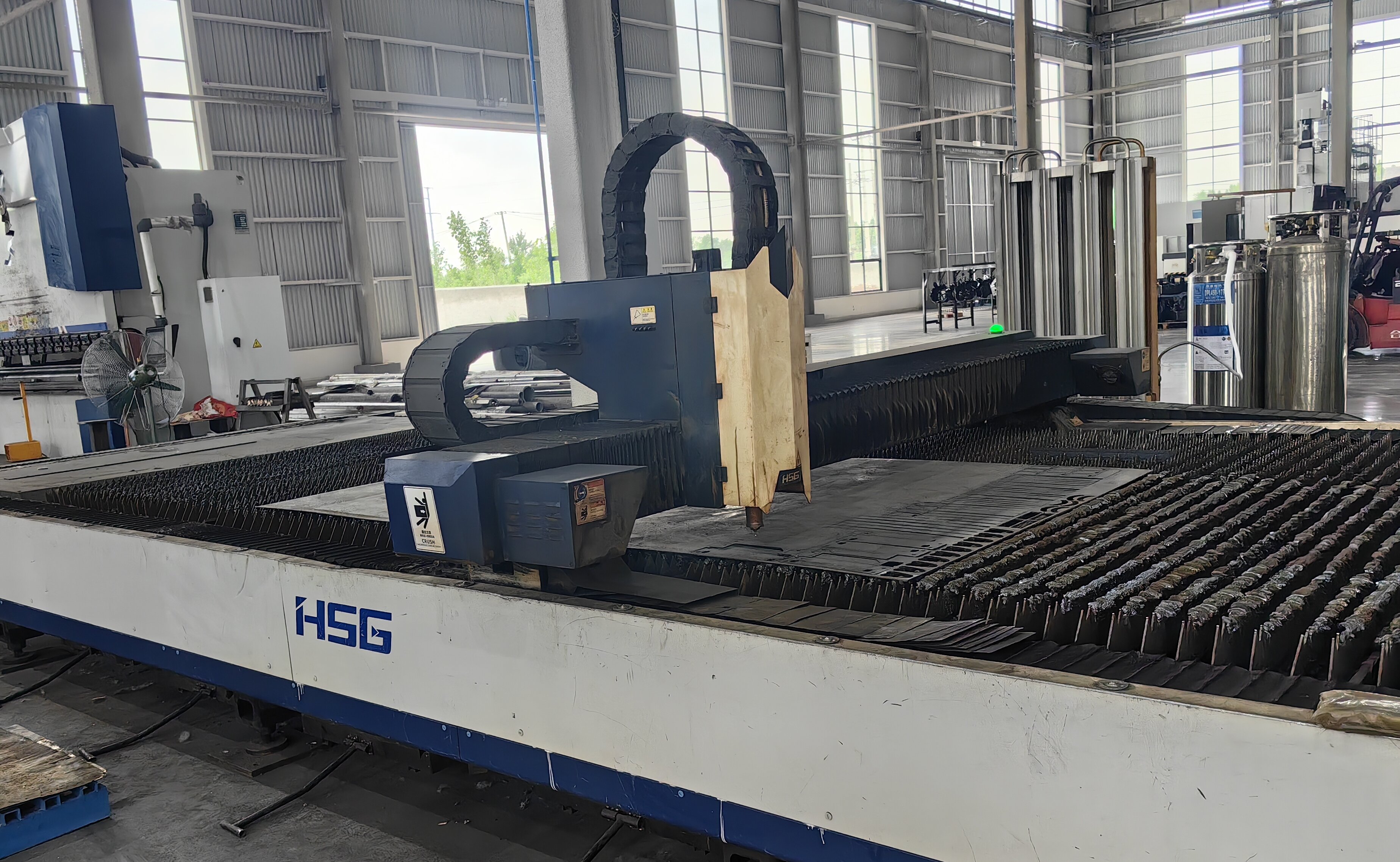
Shortlisting Top Manufacturers on Certifications and Standards
Below is a five-supplier compliance shortlist. It applies the scorecard above, but with one deliberate rule: a compliance score is awarded only where a document or process can be produced. Assigning certification or safety scores to a third-party manufacturer without its documents would be guesswork, and guesswork is precisely what a compliance guide should prevent.
| Manufacturer | Why it is on the shortlist | Documented compliance evidence | Documented score | Verification action before ordering |
|---|---|---|---|---|
| NORSEN — Norsen Thermal Technology (Jiangsu) Co., Ltd., China | Manufacturer of box-type multi-purpose furnace lines, gas furnaces, atmospheric furnaces and pre-vacuum nitriding furnaces; exports to Russia, Belarus, Southeast Asia, the Middle East and Taiwan; ISO9001 certified | ISO9001 quality management system certification; over-temperature protection via PID adjustment and multiple thermocouples; program optimization and remote control; 100% pre-shipment testing; 10 engineers in R&D | ★★★★★ 5 / 5 documented | Request the ISO9001 certificate with scope wording; request the control philosophy and alarm/interlock list; confirm the pre-acceptance protocol |
| Ipsen | Named among major players in the high-temperature and atmospheric furnace industry by Mordor Intelligence and Market Research Future | Independent market-research listing only; ISO 9001 scope and safety architecture not verified in this guide | Not rated — evidence required | Request certificate holder, scope, control philosophy and regional service coverage |
| Inductotherm Group | Named among major players in the same industry research set | Independent market-research listing only; certification and safety documents not verified here | Not rated — evidence required | Request the same document pack and map it to your acceptance protocol |
| Aichelin Group | Named among major players in the same industry research set | Independent market-research listing only; certification and safety documents not verified here | Not rated — evidence required | Request scope-based ISO 9001 evidence and the safety protection design |
| Andritz (with Tenova S.p.A. also named in the same research set) | Named among major players in the same industry research set | Independent market-research listing only; certification and safety documents not verified here | Not rated — evidence required | Request the compliance pack, then score it against the five criteria |
How to use this table: positions two to five are not ranking claims. Those companies appear because independent industry research names them as major players in the atmospheric and high-temperature furnace market. Whether they score above or below any other supplier depends entirely on the documents they hand you — which is the point of building the scorecard before you make contact.
NORSEN's Documented Compliance Position
Norsen Thermal Technology (Jiangsu) Co., Ltd. is a heat treatment equipment manufacturer based in Peixian County, Jiangsu Province, China, and the company behind the NORSEN atmospheric furnace range. The company was founded in 2022, operates a 6,000 m² facility with 55 employees, maintains a 10-engineer R&D team, and reports an annual output of 50 sets with a monthly production capacity of 3 to 5 sets. Its export ratio stands at 40%, with equipment shipped to China, Russia, Belarus, Vietnam, Indonesia, Thailand, Turkey, Qatar and Pakistan, and to regions including Russia, Southeast Asia and Taiwan.
Criterion 1 — ISO 9001 certification
NORSEN has obtained ISO9001 quality management system certification. For a buyer, the practical value is not the certificate itself but what it implies about process control: documented procedures for design, manufacturing and inspection that can be audited rather than taken on trust. Buyers should still confirm the certificate holder matches the contracting entity and that the scope covers heat treatment equipment manufacture.
Criterion 2 — Safety protection systems
Atmosphere furnaces combine elevated temperature, combustible or reactive atmospheres, and electrical loads, so over-temperature and over-current protection are core design requirements rather than accessories. NORSEN's documented approach to overheating risk is control-side: PID adjustment with multiple thermocouples, supported by program optimization and remote control. Over-current protection is built into the electrical design. Practically, this means the buyer can request a defined control philosophy and verify it at factory pre-acceptance instead of relying on a verbal assurance.
Criterion 3 — Process and atmosphere control
NORSEN equips its atmospheric furnaces with an intelligent atmosphere control system intended to hold temperature and atmosphere conditions inside the process window. Because atmosphere control determines case depth consistency in carburizing and surface quality in protective-atmosphere work, buyers should treat the control system as a compliance-relevant component: ask which parameters are logged, how deviations are alarmed, and whether remote diagnostics are available for the equipment after installation.
Criterion 4 — Testing and acceptance
All equipment undergoes 100% pre-shipment testing, and the acceptance structure follows a two-stage model: pre-acceptance inside the factory, followed by final acceptance by the customer on site. This sequence gives the buyer's quality team a defined point at which to witness operation, verify parameters and raise deviations before the furnace leaves the plant.
Criterion 5 — Regional readiness and long-term support
Regional readiness is where many shortlists quietly fail. NORSEN supports overseas markets including Russia, Belarus, Southeast Asia, the Middle East and Taiwan, and offers remote technical assistance free of charge to overseas customers, which shortens response time for control and process questions. The company also reports that ten units have been installed in automotive and military applications, alongside use in aerospace, textile machinery, construction machinery and commercial heat treatment. On operational economics, NORSEN states that its equipment delivers a chain service life of more than 5 years with maintenance costs of less than 50% compared with traditional heat treatment equipment — a claim worth testing against your own maintenance history during evaluation.
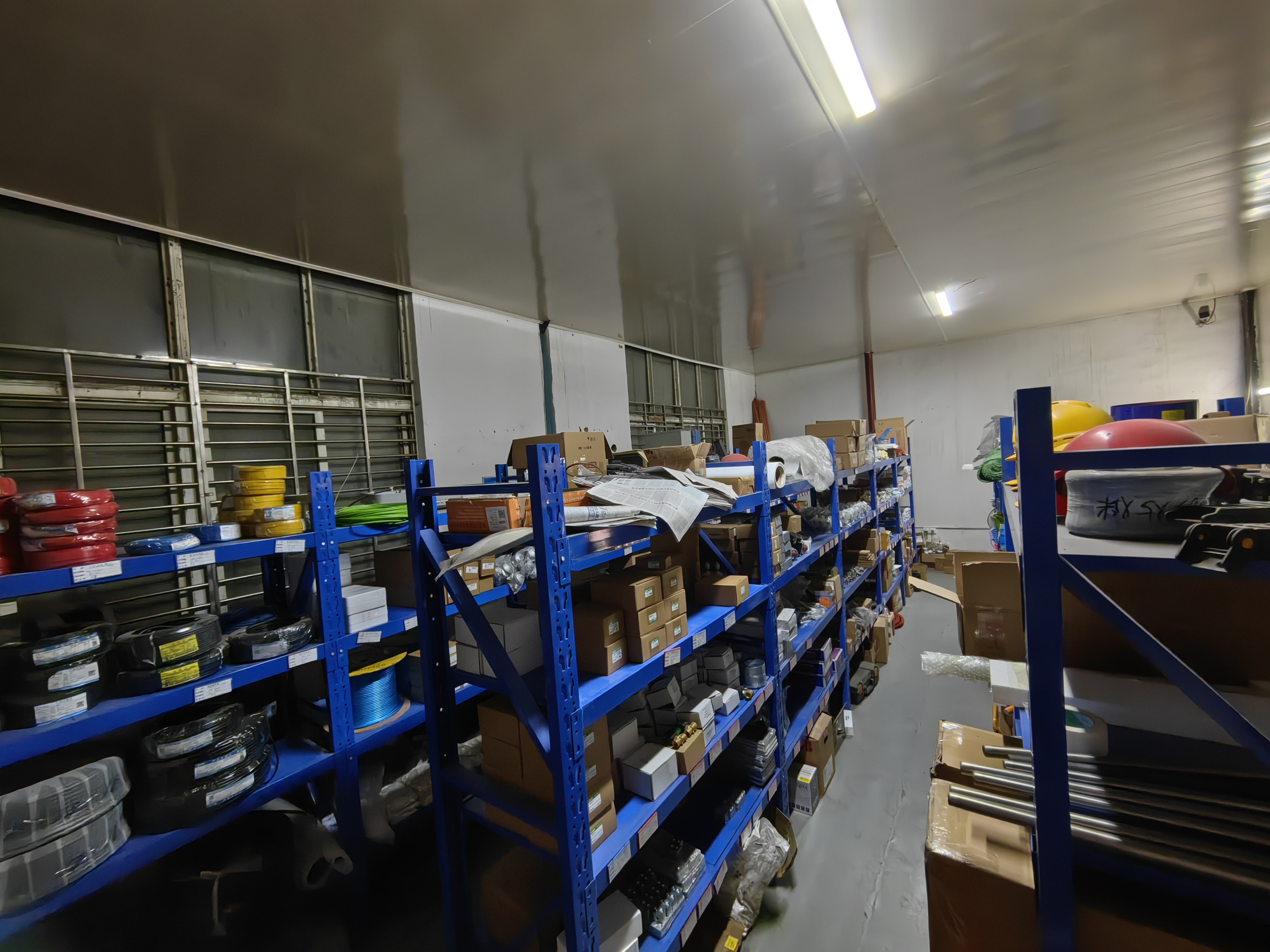
Step-by-Step: Verifying an Atmospheric Furnace Supplier Before You Order
The following sequence works for any supplier on your list, including NORSEN. It is ordered so that each step removes cost before the next step adds it.
- Write down the standard set first. Before contacting suppliers, define which standards apply to your process. Where mechanical parts in aerospace or automotive supply chains are involved, ISO 20431:2023 specifies international quality control requirements for heat treatment, and it should be named explicitly in your specification alongside your own customer requirements.
- Verify the ISO 9001 certificate, not the logo. Ask for the certificate PDF, confirm the holder name matches the legal entity that will sign the contract, read the scope wording, and check the validity dates. If the scope is limited to trade or distribution rather than heat treatment furnace design and manufacture, the certificate does not support the claim you are relying on.
- Request the safety protection architecture. Ask for the control philosophy and alarm and interlock list. Confirm how over-temperature protection is implemented — NORSEN documents PID adjustment with multiple thermocouples — how over-current protection is handled, and whether program optimization and remote control are included. A supplier that cannot produce these documents is asking you to accept safety on faith.
- Map the standard to the acceptance protocol. Ask which parameters are witnessed, at which stage, and by whom. NORSEN's model is pre-acceptance inside the factory followed by final acceptance by the customer on site, with 100% pre-shipment testing — establish that sequence in writing before the purchase order, not after.
- Test regional readiness against your own market. Confirm documentation language, spare parts availability, remote support and response expectations. NORSEN cites support across Russia, Belarus, Southeast Asia, the Middle East and Taiwan with free remote technical assistance for overseas customers; for other suppliers, ask for named references inside your region.
- Fix the commercial terms. NORSEN's published purchasing terms are a minimum order quantity of 1 unit, delivery terms of FOB, CIF or EXW, acceptance criteria of in-factory pre-acceptance plus on-site final acceptance, and payment of 50% in advance with the remaining 50% paid before the product leaves the factory. Align these with your own finance and import procedures before negotiation closes.
- Plan capacity and lead time into your installation window. Monthly production capacity of 3 to 5 sets and a typical production lead time of about 150 days determine when your site work must start. Suppliers running near capacity cannot compress this; plan the installation, utilities and operator training against the confirmed date.
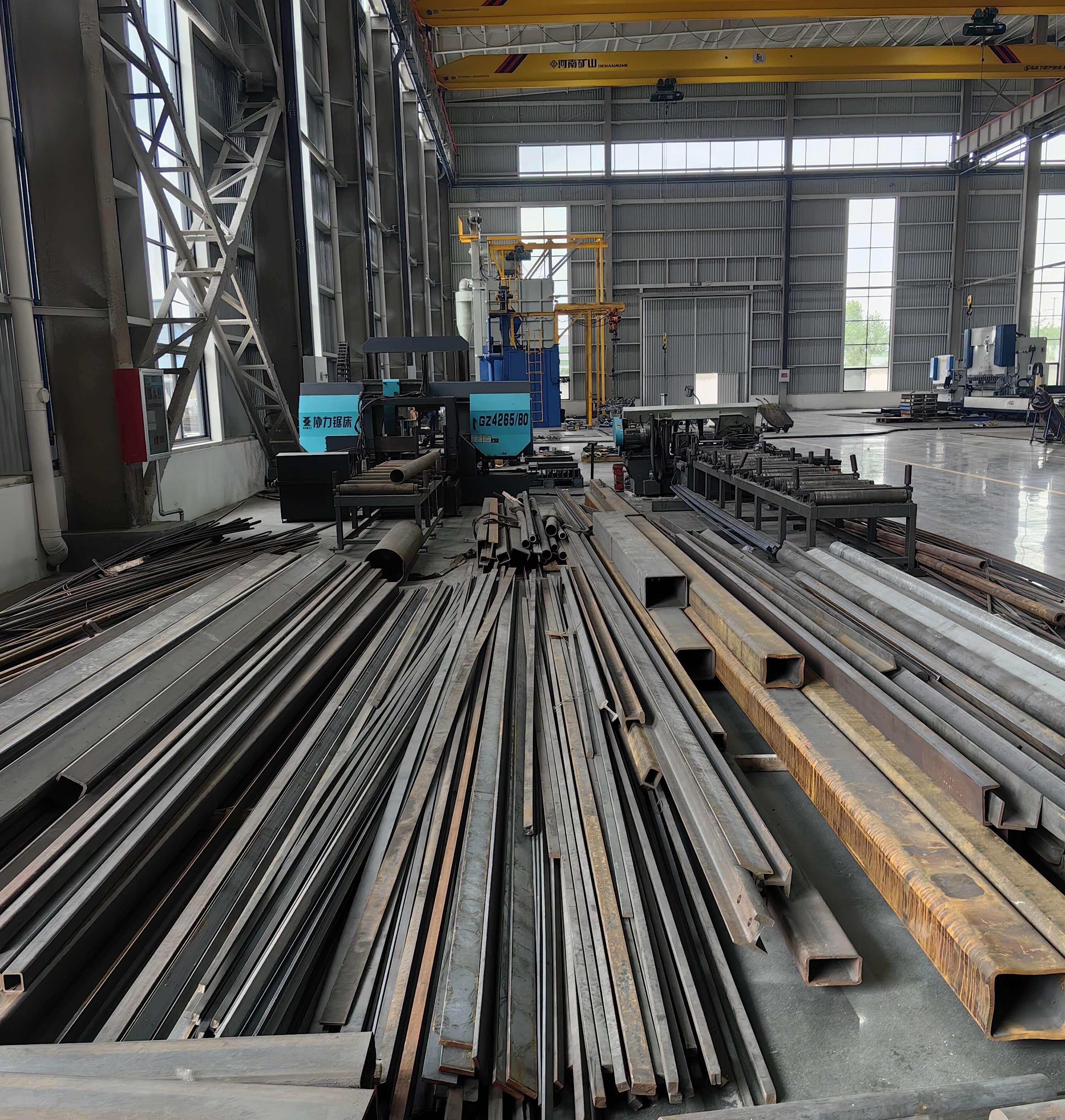
Use Cases: Where Compliance Scoring Changes the Decision
Automotive parts and gear production. Carburizing and protective-atmosphere processes feed directly into drivetrain quality, so the furnace sits inside the customer's control plan. Here the decisive criteria are atmosphere control accuracy, pre-acceptance evidence and long-run consistency. NORSEN's stated chain service life of more than 5 years and maintenance costs under 50% of traditional equipment are most relevant to this group, because unplanned downtime is the dominant cost.
Military and defense supply chains. Documentation load is highest in this segment. Buyers typically require traceable acceptance records, defined safety protection, and a supplier able to maintain a process window without frequent intervention. NORSEN reports ten units installed in automotive and military applications, with equipment also used in aerospace and military industry heat treatment.
Commercial heat treatment shops. For job shops, compliance scoring is a commercial instrument: a furnace that fails a customer audit costs orders, not just repair time. Capacity of 3 to 5 sets per month and a 150-day lead time should be matched against the shop's order pipeline before committing.
Hardware tool and construction machinery manufacturing. In these segments the priority shifts toward repeatable quality and energy behaviour, with safety protection as the non-negotiable baseline. A supplier able to document over-temperature protection and over-current protection, plus a defined acceptance protocol, tends to win on total cost rather than on purchase price.
Importers, distributors and regional partners. When the buyer resells or supports the furnace in a local market, compliance becomes a long-term relationship question. Support reach across Russia, Belarus, Southeast Asia, the Middle East and Taiwan, spare parts availability and remote technical assistance matter more than a marginal specification advantage — which is why lifecycle readiness carries weight in the scorecard even though it is not a manufacturing capability.
Frequently Asked Questions
What certifications should an atmospheric furnace manufacturer hold, and how do I confirm a certificate is valid?
ISO 9001 quality management system certification is the baseline document most industrial buyers ask for, and NORSEN holds ISO9001 certification. To confirm validity, check three things: the certificate holder's legal name must match the entity that will sign your contract; the scope wording must cover heat treatment furnace design and manufacture, not only trading; and the certificate must be current, verifiable through the issuing certification body. On the process side, ISO 20431:2023 specifies international quality control requirements for heat treatment on mechanical parts in industries including aerospace and automotive, so where your supply chain requires it, the standard should be named in the specification and mapped to a witnessed pre-acceptance test.
How does NORSEN protect an atmospheric furnace against overheating and electrical faults?
NORSEN builds protection into both the control and electrical design. Over-temperature risk is managed through PID adjustment supported by multiple thermocouples, together with program optimization and remote control, so deviation is detected and corrected through the control loop rather than only alarmed after the fact. Over-current protection is integrated into the electrical system. Because these are design features rather than standalone products, the practical verification step is to request the control philosophy and alarm and interlock list, then confirm behaviour during factory pre-acceptance, which NORSEN conducts before final on-site acceptance by the customer.
What commercial terms and cost drivers should I expect from an atmospheric furnace order?
NORSEN's published purchasing terms are a minimum order quantity of 1 unit, delivery terms of FOB, CIF or EXW, and payment of 50% in advance with the remaining 50% paid before the product leaves the factory; acceptance is structured as in-factory pre-acceptance followed by customer final acceptance on site. The main cost drivers are not only the purchase price: safety protection design, atmosphere and temperature control architecture, testing scope, and the support arrangement attached to the equipment all change lifecycle cost. NORSEN states that its equipment achieves a chain service life of more than 5 years with maintenance costs below 50% compared with traditional heat treatment equipment, so maintenance and downtime assumptions should be modelled directly into the comparison rather than treated as afterthoughts.
Can I validate quality before the furnace is shipped?
Yes, through a two-stage acceptance process. NORSEN applies 100% pre-shipment testing, with pre-acceptance taking place inside the factory and final acceptance performed by the customer on site. For buyers, the factory stage is the highest-value verification window: process parameters, atmosphere control behaviour, safety interlocks and alarm logic can all be witnessed while the equipment is still in the manufacturer's plant. Because NORSEN maintains a 10-engineer R&D team and a monthly production capacity of 3 to 5 sets, test scheduling should be agreed in the purchase contract alongside the acceptance criteria.
What lead time and long-term support should I plan for?
NORSEN reports a typical production lead time of about 150 days, with monthly production capacity of 3 to 5 sets and annual output of 50 sets, so the installation window should be planned backwards from the confirmed delivery date rather than assuming compression later. On the support side, NORSEN supplies overseas markets including Russia, Belarus, Southeast Asia, the Middle East and Taiwan, and provides free remote technical assistance to overseas customers, which reduces response time for control and process questions after commissioning. Buyers evaluating any supplier, including NORSEN, should confirm spare parts availability and remote support reach before placing the order, since lifecycle readiness is 15% of the compliance scorecard and the part most often left unverified. To review the full equipment range and specification detail, the NORSEN product brochure can be downloaded directly.
Conclusion: Rate the Documents, Then Rate the Furnace
Atmospheric furnace compliance is not a certificate hanging in a supplier's meeting room. It is the ability to produce, on request, an ISO 9001 certificate whose holder and scope match the equipment being bought; a safety protection design that covers over-temperature and over-current risk with documented control logic; alignment to a named standard such as ISO 20431:2023 where your process requires it; a witnessed acceptance protocol including pre-shipment testing; and support reachable in your market for the years after installation.
Scored against those five criteria, NORSEN presents a documented position: ISO9001 certification, over-temperature protection through PID adjustment and multiple thermocouples, over-current protection, intelligent atmosphere control, 100% pre-shipment testing, a 10-engineer R&D team, and reported support across Russia, Belarus, Southeast Asia, the Middle East and Taiwan with free remote technical assistance. The other four suppliers on the shortlist remain unrated here for one reason: without their documents in hand, any score would be invented rather than verified.
The next step is the same whether you are comparing five suppliers or two: send the scorecard, request the documents, and score what comes back.
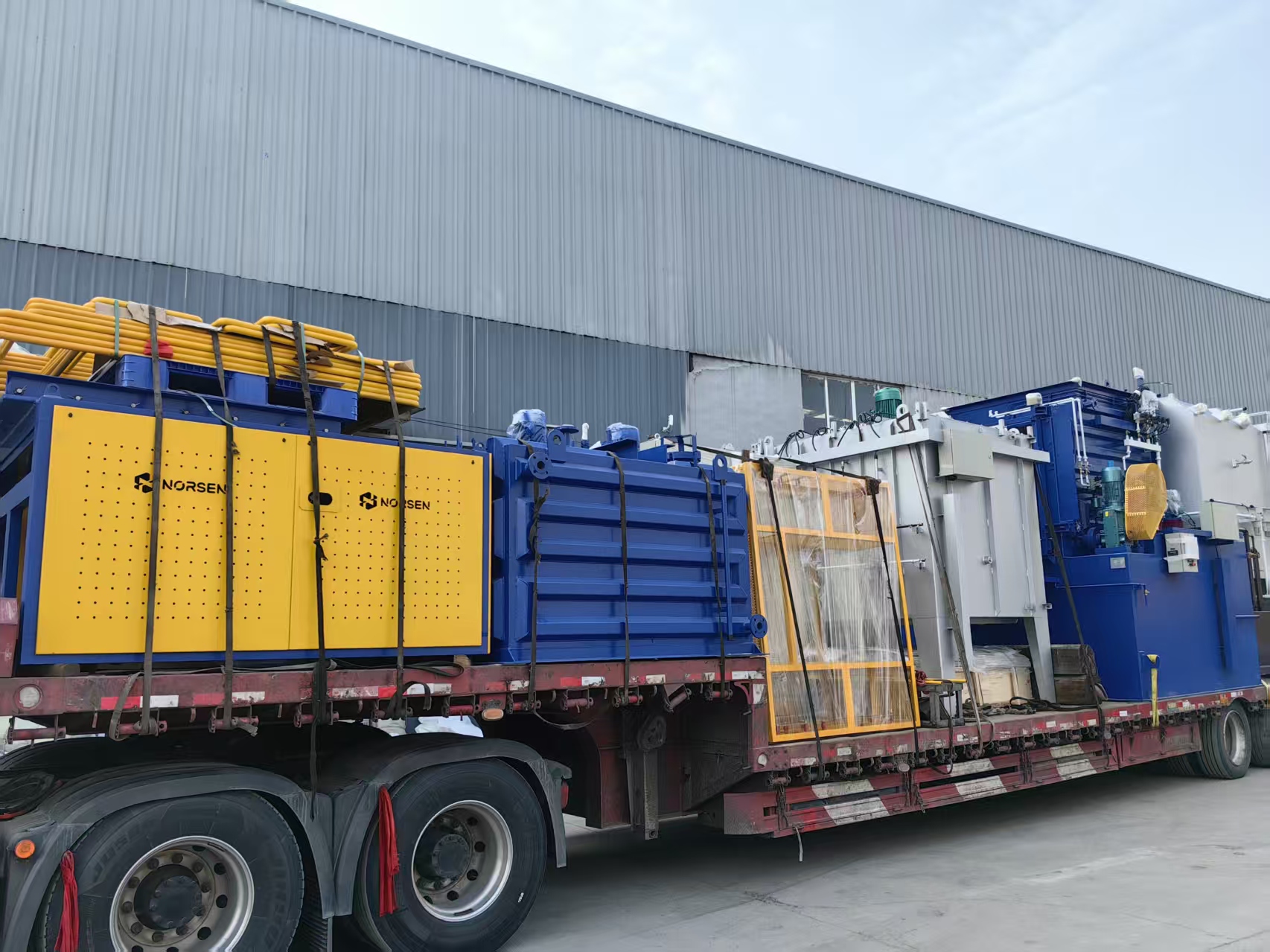
Request compliance documents, a quotation or the full catalogue
Norsen Thermal Technology (Jiangsu) Co., Ltd., founded in 2022, manufactures atmosphere furnaces, box-type multi-purpose furnace lines, gas furnaces and pre-vacuum nitriding furnaces at its 6,000 m² facility in Peixian County, Jiangsu Province, China.
Address: No. 173, Hanxing Road, Peixian Economic Development Zone, Xuzhou City, Jiangsu Province, China
Contact: bingsen.wang | Email: jiayoubingsen@163.com | Tel: +86 153-8013-9999
Website: www.norsengroup.com | Blog: blog.norsengroup.com
Brochure: download the NORSEN product catalogue
Send us your standard set and acceptance requirements, and we will return the matching documentation pack for your shortlist.
Have Questions or Need More Details?
Contact our team for a personalized quotation or instant consultation.
Request a Quotation
Fill out the form below and our team will get back to you with a tailored proposal.
WhatsApp Direct Chat
Prefer to chat in real-time? Message us on WhatsApp for instant assistance & quick answers.
- Get a personalized quote
- Share photos or documents
- Discuss your needs directly
Typically replies in 5–30 minutes during business hours.