
Atmospheric Furnace Execution Playbook: From Purchase Order to Production
Selecting an atmospheric furnace supplier is a major procurement milestone, but for buyers in the decision-to-execution stage, the real challenge begins after the purchase order is signed. This execution playbook explains what happens between order confirmation and production start-up: manufacturing lead time, payment and delivery terms, acceptance procedures, overheating risk control, and the long-term support systems that keep an industrial atmospheric furnace productive for years.
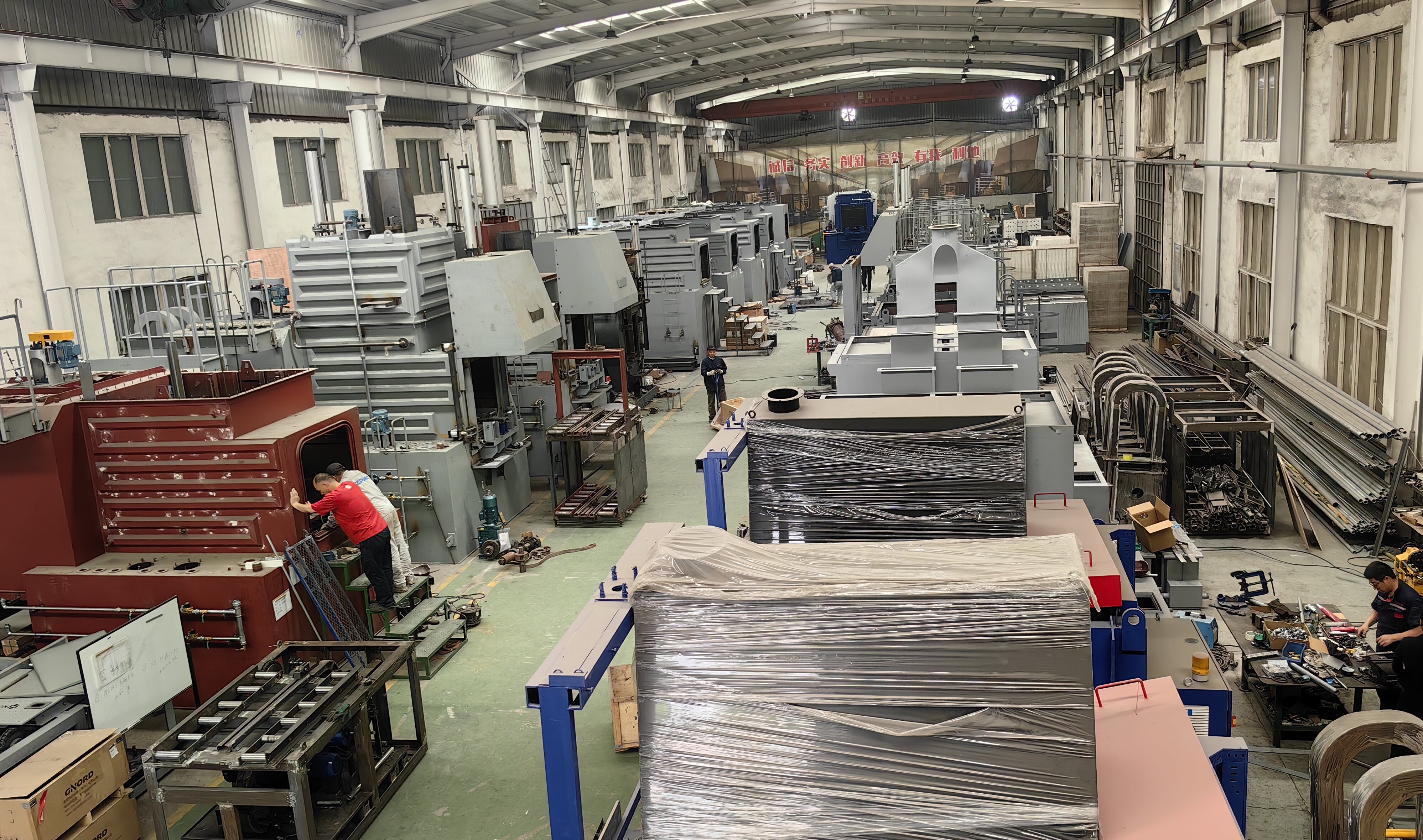
Production field at Norsen Thermal Technology (Jiangsu) Co., Ltd.
Why the Execution Phase Is Where Furnace Projects Succeed or Fail
After a heat treatment atmospheric furnace supplier has been selected, procurement and engineering teams often face issues that were not visible during the evaluation stage. Common pain points include unclear delivery schedules, vague acceptance criteria, slow after-sales response, weak spare parts availability, and unmanaged operational risks such as overheating.
These issues matter because a furnace is a long-lived production asset. A box-type atmosphere furnace used for carburizing, carbonitriding, tempering, oil quenching, or case hardening runs through thousands of thermal cycles over its service life. If the supplier cannot manage production schedules, deliver complete documentation, or respond to process problems remotely, the buyer inherits that risk.
Buyers at the decision-to-execution stage need a clear framework to turn supplier promises into measurable outcomes. The sections below outline what to lock in, what to inspect, and how to structure a partnership that supports both first installation and repeat orders.
Industry Background: A Growing Market for Heat Treatment Equipment
The global industrial furnace market continues to expand. According to Precedence Research, the market was valued at approximately USD 11.86 billion in 2024 and is expected to reach USD 21.53 billion by 2034. The Asia-Pacific region accounted for 43.4% of industry revenue in 2025, driven largely by industrialization in China and India (Grand View Research). Gas-fired furnaces held a leading product segment share of 39.8% in 2025, while electric and energy-efficient hybrid systems are gaining adoption because of decarbonization trends (Future Market Insights).
For heat treatment buyers, quality standards are also evolving. ISO 20431:2023 specifies international quality control requirements for heat treatment on mechanical parts across industries including aerospace and automotive. On the supplier side, well-known names in the high-temperature and atmospheric furnace industry include Ipsen, Inductotherm Group, Aichelin Group, Andritz, and Tenova S.p.A. (Mordor Intelligence / Market Research Future).
Within this environment, China has become an important sourcing region for controlled atmosphere furnaces and gas atmosphere furnaces. China’s export of liquid fuel furnaces (HS4 8416) reached USD 202 million in 2025, with major destinations including Russia, Indonesia, and Saudi Arabia (OEC). For buyers evaluating Chinese manufacturers, execution capability is what separates a smooth project from a delayed one.
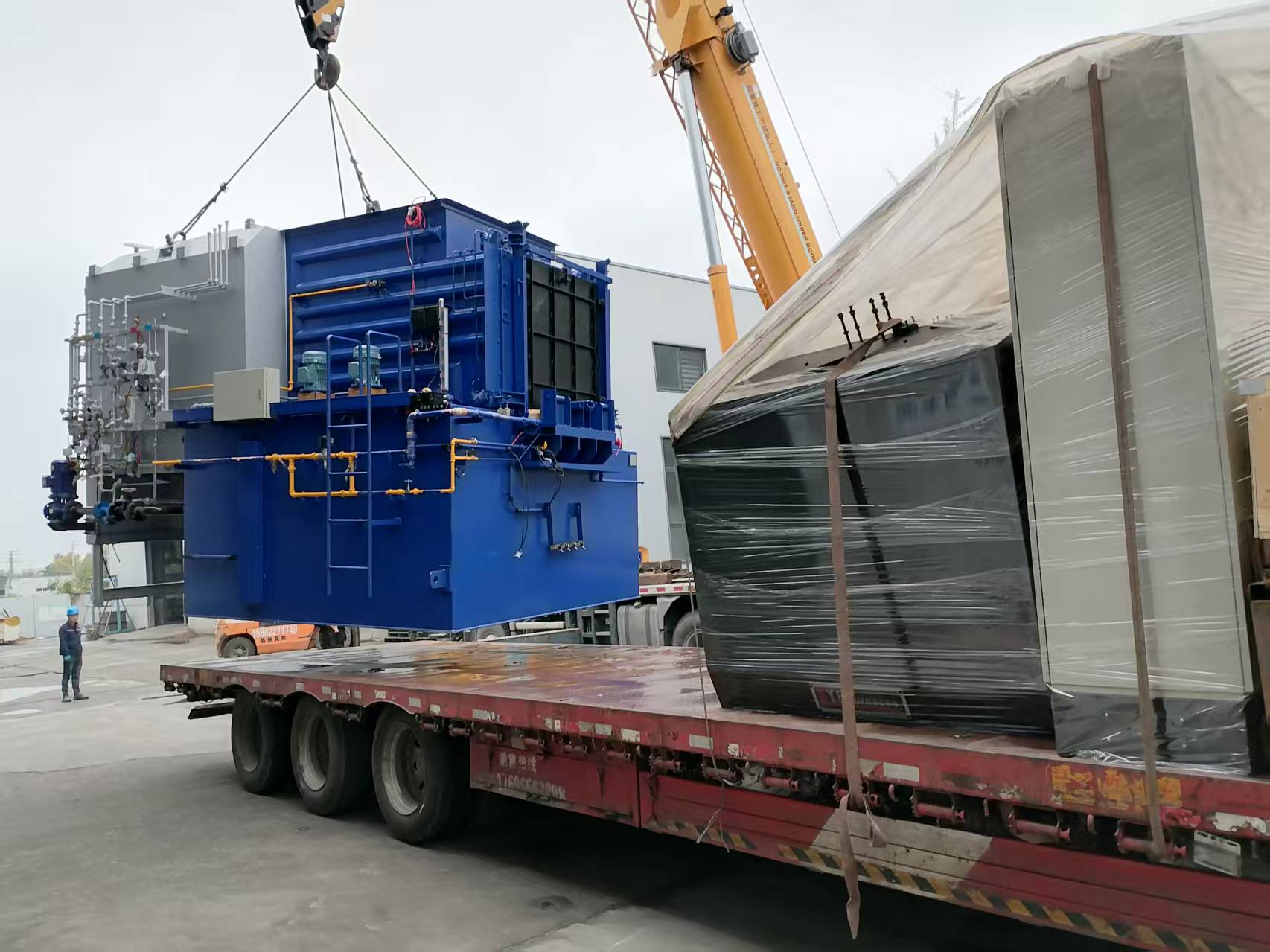
Atmospheric furnace shipment preparation at NORSEN
NORSEN’s Execution System for Atmospheric Furnace Orders
Norsen Thermal Technology (Jiangsu) Co., Ltd. is a heat treatment equipment manufacturer located at No. 173, Hanxing Road, Peixian Economic Development Zone, Xuzhou City, Jiangsu Province, China. The company specializes in intelligent heat treatment equipment, including box-type multi-purpose furnace production lines, pre-vacuum gas nitriding furnaces, mesh belt carburizing and quenching furnace production lines, and well-type furnaces. Its products are used in aerospace, military industry, automotive parts, textile machinery, construction machinery, and commercial heat treatment processing.
Product Range for Atmospheric Furnaces
NORSEN’s atmospheric furnace product lines are the RTQ, TQ, SHQ, and DHQ series. Available models include RTQ-10, RTQ-17, RTQ-25, TQ-10, TQ-17, TQ-25, SHQ-10, SHQ-15, SHQ-25, DHQ-10, DHQ-15, and DHQ-25.
- Furnace structure: SiC muffle furnace structure with chain dual drive
- Key components: four symmetrical oil tank agitator motors, high-performance heating elements, intelligent atmosphere control system
- Safety and protection: over-temperature protection, over-current protection, gas heating
- Process capabilities: hardening with oil quench, carbonitriding, tempering, carburizing and case hardening
- Materials: Q235 / SS304 / SS310
Production Capacity and Lead Time
NORSEN operates a 6,000 m² facility with 55 employees and a dedicated R&D team of 10. The monthly production capacity is 3 to 5 sets, and a typical production lead time is 150 days. Annual output is approximately 50 sets. The company exports about 40% of its production and serves customers in China, Russia, Belarus, Vietnam, Indonesia, Thailand, Turkey, Qatar, and Pakistan.
Procurement Terms for Buyers at the Decision Stage
- MOQ: 1 unit
- Delivery methods: FOB / CIF / EXW
- Payment terms: 50% advance; remaining 50% paid before the product leaves the factory
- Acceptance: pre-acceptance at the NORSEN factory, followed by final acceptance by the customer on-site
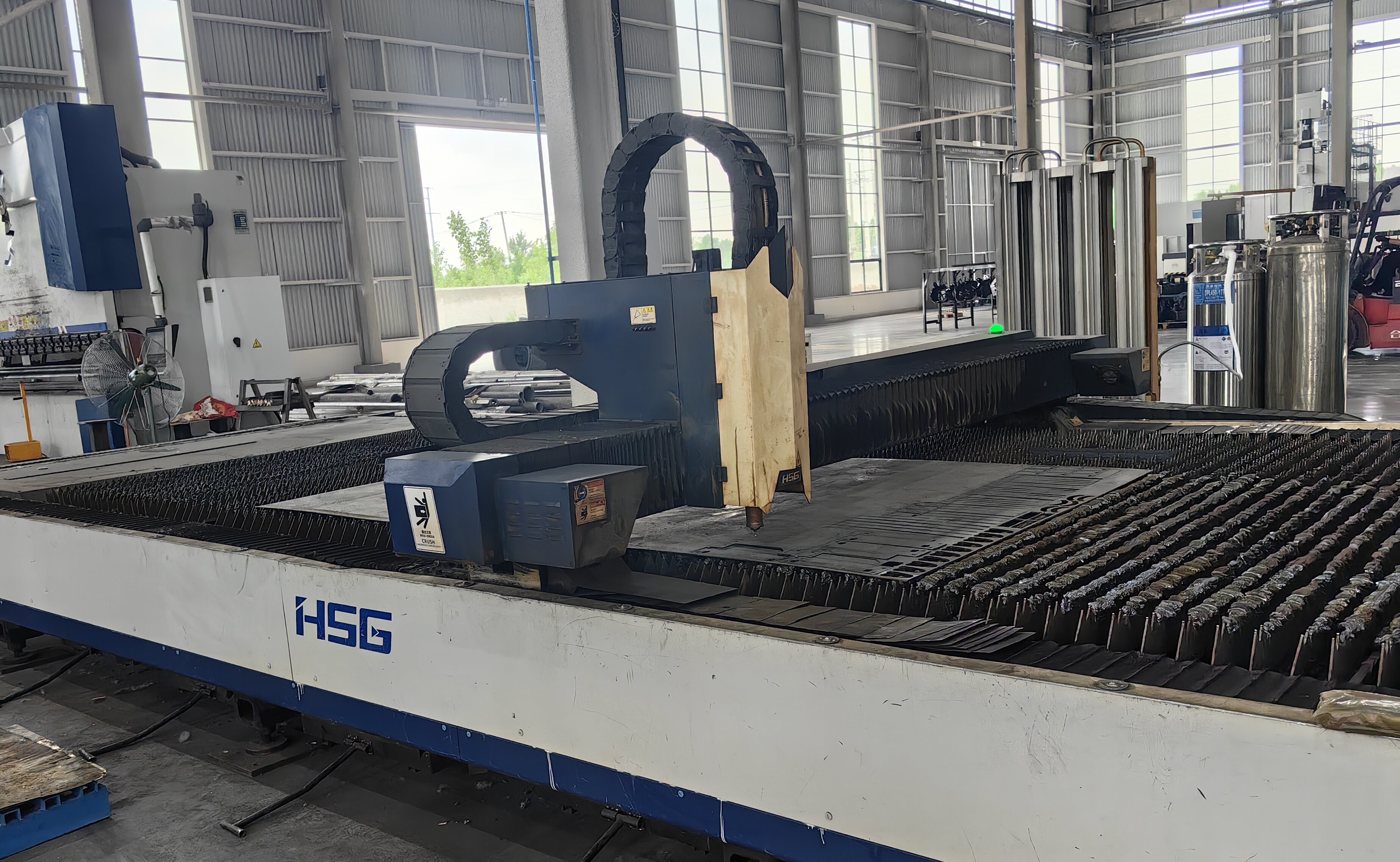
Laser cutting during furnace component fabrication at NORSEN
Risk Control Under Long Production Cycles
Overheating is one of the most common risks in continuous furnace operation. NORSEN addresses this risk through PID adjustment and multiple thermocouple control. The manufacturer also supports program optimization and remote control, which helps operators adjust process parameters without halting production. For a carburizing atmospheric furnace running at high furnace pressure, these controls are essential to maintain repeatable case depth and surface hardness.
Long-Term Value vs. Traditional Equipment
Compared with traditional heat treatment equipment manufacturers, NORSEN’s atmosphere furnaces are designed for higher energy efficiency, longer lifespan, and lower maintenance. According to the company’s performance data, the service life of the chain exceeds 5 years, and maintenance cost is less than 50% of conventional systems. High furnace pressure and fast penetration rate deliver higher efficiency, making the equipment suitable for military factories, automotive parts factories, gear factories, and hardware tool factories.
Step-by-Step: Executing an Atmospheric Furnace Order
Once the supplier has been selected, buyers should follow a structured execution path. The workflow below applies to industrial atmospheric furnace purchases, from contract to full production.
Step 1: Lock the Specification and Contract Terms
Before production begins, confirm the furnace model, process requirements, atmosphere control method, heating elements, safety features, and material specification. The RTQ/TQ/SHQ/DHQ series offer different configurations, so the exact model should be recorded in the contract. Include payment terms, delivery method (FOB/CIF/EXW), acceptance milestones, and documentation requirements.
Step 2: Confirm the Production Schedule
NORSEN’s monthly production capacity is 3 to 5 sets, with a typical lead time of 150 days. Buyers should align their project timeline with the manufacturer’s production window. Because annual output is about 50 sets, order slots can fill quickly, especially for multi-purpose furnace lines.
Step 3: Track Manufacturing Progress
During the production period, request regular progress updates and, where possible, arrange a mid-production inspection. Key milestones include structural welding, SiC muffle assembly, heating element installation, and control system wiring. Early detection of deviations reduces rework cost.
Step 4: Factory Pre-Acceptance
NORSEN’s standard acceptance process begins with a pre-acceptance inside the factory. The buyer or the buyer’s representative inspects the furnace before shipment. This stage should verify that the equipment matches the agreed specification and that safety features such as over-temperature protection and over-current protection are in place.
Step 5: Shipping and Logistics
Depending on the delivery terms, the buyer arranges or coordinates international shipping. NORSEN has experience shipping heat treatment equipment to Russia, Southeast Asia, the Middle East, and other regions. Proper export packing and documentation are part of the execution phase.
Step 6: On-Site Final Acceptance
After the furnace reaches the buyer’s facility, final acceptance is performed on-site. This includes installation, commissioning, and process verification. For gas atmosphere furnaces, this stage also checks gas flow, furnace pressure, and atmosphere uniformity.
Step 7: Long-Term Operation and Support
After acceptance, the focus shifts to spare parts availability, maintenance planning, and remote support. NORSEN’s use of Q235 / SS304 / SS310 materials and high-durability chain drive systems is intended to reduce long-term maintenance frequency. Remote control and program optimization capabilities allow the manufacturer to support process adjustments even after the equipment is in operation.
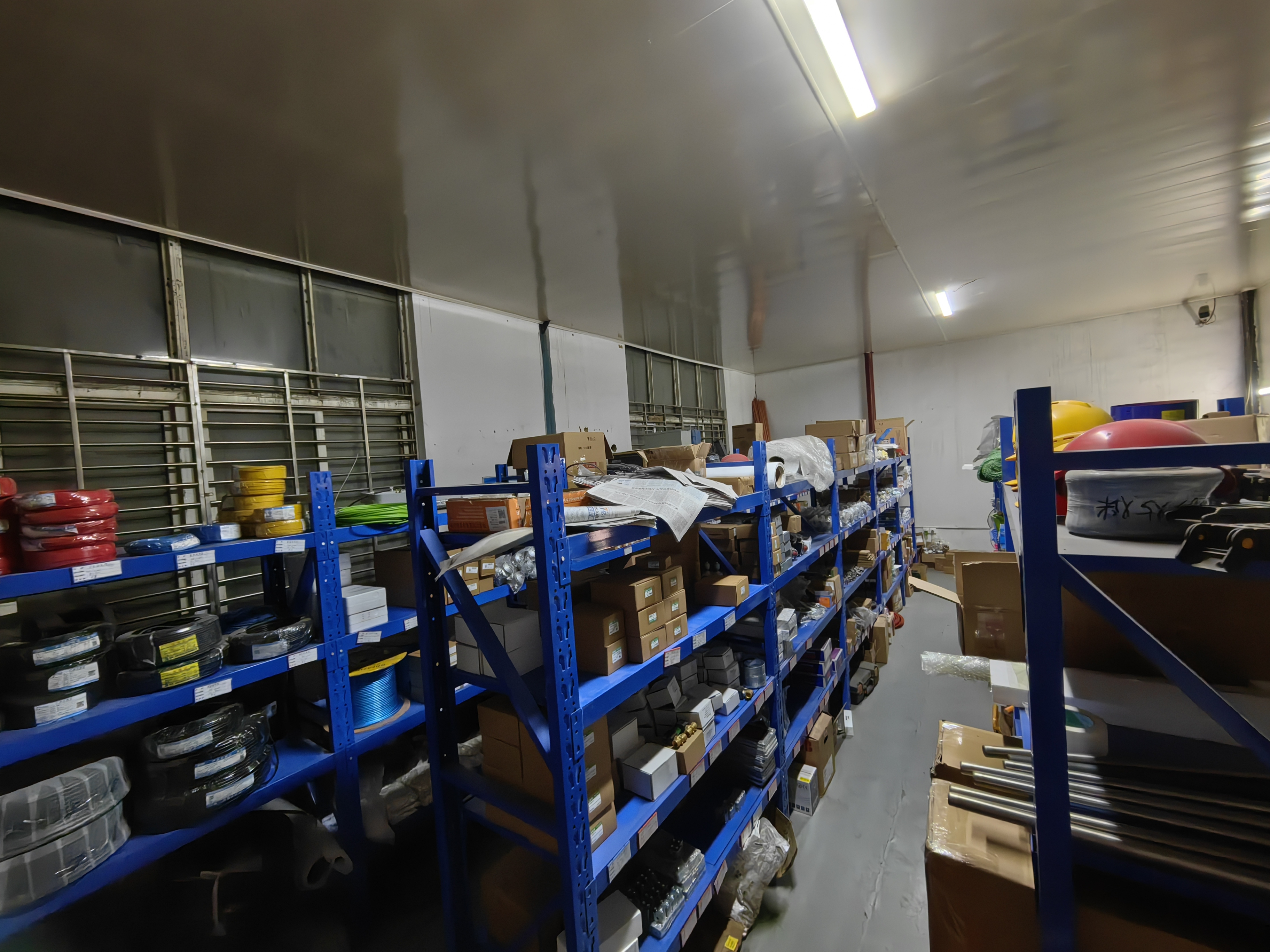
Spare parts warehouse at NORSEN supporting aftersales service
Use Cases: Where NORSEN Atmospheric Furnaces Are Applied
NORSEN atmospheric furnaces are used across multiple heat treatment scenarios. The equipment supports hardening with oil quench, carbonitriding, tempering, and carburizing with case hardening. These processes are common in the following industries:
- Military industry: precision components requiring tight metallurgical control and documented process traceability
- Automotive parts: gears, shafts, and fasteners requiring consistent case depth and surface hardness
- Agricultural machinery: wear-resistant components exposed to heavy loads and abrasive conditions
- Robots and bearings: components needing dimensional stability and fatigue resistance
- Hardware and tools: cutting tools and hand tools requiring uniform tempering and hardness
- Sewing machines: small precision parts processed in multi-purpose furnace batches
For a gear processing atmospheric furnace application, high furnace pressure and fast penetration rate improve cycle efficiency, while precise atmosphere control supports repeatable carburizing results. For commercial heat treatment facilities, the multi-purpose nature of the RTQ/TQ/SHQ/DHQ series allows one furnace to handle different processes.
Comparison: NORSEN vs. Traditional Heat Treatment Equipment
The comparison below is based on NORSEN’s published product data and is intended to help buyers evaluate value over the full equipment lifecycle.
| Evaluation Dimension | Traditional Heat Treatment Equipment | NORSEN Atmospheric Furnace |
|---|---|---|
| Energy efficiency | Baseline reference | Higher energy efficiency |
| Service life of chain drive | Baseline reference | More than 5 years |
| Maintenance requirement | Baseline reference | Less than 50% maintenance cost |
| Furnace pressure and penetration | Baseline reference | High furnace pressure, fast penetration rate |
| Typical suitable users | General industrial use | Military, automotive parts, gear, hardware tool factories |
| Value positioning | Baseline reference | Reasonably priced, high value for money |
The table is not a claim that one brand is universally superior. It is a decision reference: for buyers comparing a NORSEN furnace against older or conventional equipment, these are the dimensions worth quantifying during plant trials and acceptance testing. In the broader market, established players such as Ipsen, Inductotherm Group, Aichelin Group, Andritz, and Tenova S.p.A. also supply industrial furnace systems, and buyers should evaluate all options against their own process requirements.
FAQ
1. What compliance documents should a buyer verify before finalizing an atmospheric furnace order?
Buyers should verify that the manufacturer holds an ISO9001 quality management system certification and, where applicable, aligns with ISO 20431:2023, which specifies quality control requirements for heat treatment of mechanical parts. Norsen Thermal Technology (Jiangsu) Co., Ltd. holds ISO9001 certification. Buyers can also request the factory registration, product test records, and acceptance documentation before shipment.
2. What technical capabilities matter most for long-term atmospheric furnace reliability?
Key capabilities include a SiC muffle furnace structure, chain dual drive, four symmetrical oil tank agitator motors, high-performance heating elements, and an intelligent atmosphere control system. Safety features such as over-temperature protection, over-current protection, and gas heating controls reduce operational risk. In NORSEN’s design, PID adjustment with multiple thermocouples, combined with program optimization and remote control, helps manage overheating risk during long production cycles.
3. What are the standard payment and delivery conditions for an industrial atmospheric furnace?
NORSEN’s standard terms require 50% payment in advance and the remaining 50% before the furnace leaves the factory. The minimum order quantity is 1 unit, and delivery methods include FOB, CIF, and EXW. Buyers should include these terms in the purchase contract to avoid cost uncertainty. The equipment is positioned as reasonably priced with high value for money.
4. How does the acceptance process work for an atmospheric furnace?
NORSEN uses a two-stage acceptance process. First, the manufacturer conducts a pre-acceptance inside the factory, allowing the buyer to inspect the equipment before shipment. After delivery, the customer performs final acceptance on-site. This two-stage control helps ensure that the supplied furnace matches the agreed specification and performs correctly in the buyer’s production environment.
5. How long does it take to receive an atmospheric furnace, and can NORSEN support repeat orders?
NORSEN’s monthly production capacity is 3 to 5 sets, and a typical production lead time is 150 days. With annual output of about 50 sets, the factory can support serial procurement if order windows are planned in advance. To confirm current scheduling for your project, contact NORSEN at jiayoubingsen@163.com or +86 153-8013-9999.
Conclusion: Turning the Purchase Order into a Long-Term Asset
At the decision-to-execution stage, atmospheric furnace buyers benefit most from suppliers who can translate specifications into a managed workflow. NORSEN offers a clear execution model: ISO9001-certified manufacturing, the RTQ/TQ/SHQ/DHQ multi-series atmosphere furnace range, structured payment and delivery terms, two-stage acceptance, and long-term operational safeguards such as PID multi-thermocouple control and remote support.
The company’s 6,000 m² facility, dedicated R&D team, and export experience across Russia, Southeast Asia, the Middle East, and other regions support both first installations and repeat orders. For buyers evaluating a controlled atmosphere furnace, a gas atmosphere furnace, or a carburizing furnace, the key is to treat the purchase as a system: specification, production capacity, lead time, acceptance, spare parts, and long-term maintenance all need to fit together.
Next Step
Download the NORSEN product brochure to review furnace models and procurement terms: Download the brochure
Company website: www.norsengroup.com
Contact: bingsen.wang | Email: jiayoubingsen@163.com | Tel: +86 153-8013-9999
Address: No. 173, Hanxing Road, Peixian Economic Development Zone, Xuzhou City, Jiangsu Province, China
Have Questions or Need More Details?
Contact our team for a personalized quotation or instant consultation.
Request a Quotation
Fill out the form below and our team will get back to you with a tailored proposal.
WhatsApp Direct Chat
Prefer to chat in real-time? Message us on WhatsApp for instant assistance & quick answers.
- Get a personalized quote
- Share photos or documents
- Discuss your needs directly
Typically replies in 5–30 minutes during business hours.