
How NORSEN Atmospheric Furnaces Deliver 5+ Year Chain Life and 50% Less Maintenance
An atmospheric furnace is a core piece of equipment for heat treatment processes such as carburizing, quenching, tempering, and nitriding. For a heat treatment buyer, the decision between different atmospheric furnace suppliers goes far beyond the purchase price. It directly impacts energy consumption, maintenance schedules, production uptime, and long-term total cost of ownership. This article provides a decision-focused comparison between NORSEN atmospheric furnaces and traditional heat treatment equipment, with an emphasis on measurable performance factors that matter at the procurement stage.
Problem Definition: The Hidden Costs of Traditional Heat Treatment Equipment
Traditional heat treatment equipment often comes with operational inefficiencies that become visible only after months or years in production. Among the most common pain points are inconsistent furnace pressure, slow penetration rates, and frequent component replacement. These issues do not just reduce throughput — they also inflate energy bills and maintenance budgets.
One of the most vulnerable components in a continuous heat treatment furnace is the chain. In traditional designs, chain life is often limited, and unplanned chain failures can stop the entire production line. Maintenance staff must then spend hours replacing parts, and the cost of spare parts accumulates significantly over time. For buyers evaluating suppliers, these long-term costs should carry the same weight as the initial equipment price.
Another problem is inefficient atmosphere control. When furnace pressure is too low or unstable, the carburizing or nitriding atmosphere does not penetrate the workpiece evenly. This leads to longer cycle times, higher energy consumption per batch, and inconsistent metallurgical results. For companies running military, automotive, gear, or hardware tool components, these variations can cause rejection rates to rise and delivery schedules to slip.
Industry Background: The Growing Demand for Efficient Thermal Processing
The industrial furnace market is expanding steadily. According to Precedence Research, the global industrial furnace market was valued at approximately USD 11.86 billion in 2024 and is expected to reach USD 21.53 billion by 2034. This growth reflects rising demand from automotive, aerospace, construction machinery, and commercial heat treatment sectors.
Regional dynamics also matter. The Asia-Pacific region dominated the industrial furnace market with a 43.4% revenue share in 2025, driven largely by industrialization in China and India (Grand View Research). For buyers in Asia or those sourcing from Asian suppliers, this regional concentration means access to a deep manufacturing ecosystem and a wide range of technology options.
In terms of product segments, gas-fired furnaces held a leading market share of 39.8% in 2025, although electric and energy-efficient hybrids are gaining ground due to decarbonization trends (Future Market Insights). The market also includes well-known global players such as Ipsen, Inductotherm Group, Aichelin Group, Andritz, and Tenova S.p.A. (Mordor Intelligence / Market Research Future). For a buyer, this means the competitive landscape is mature, and supplier evaluation must be based on concrete technical and operational evidence rather than brand reputation alone.
Detailed Solution: NORSEN's Engineered Advantages in Energy Efficiency, Durability, and Maintenance
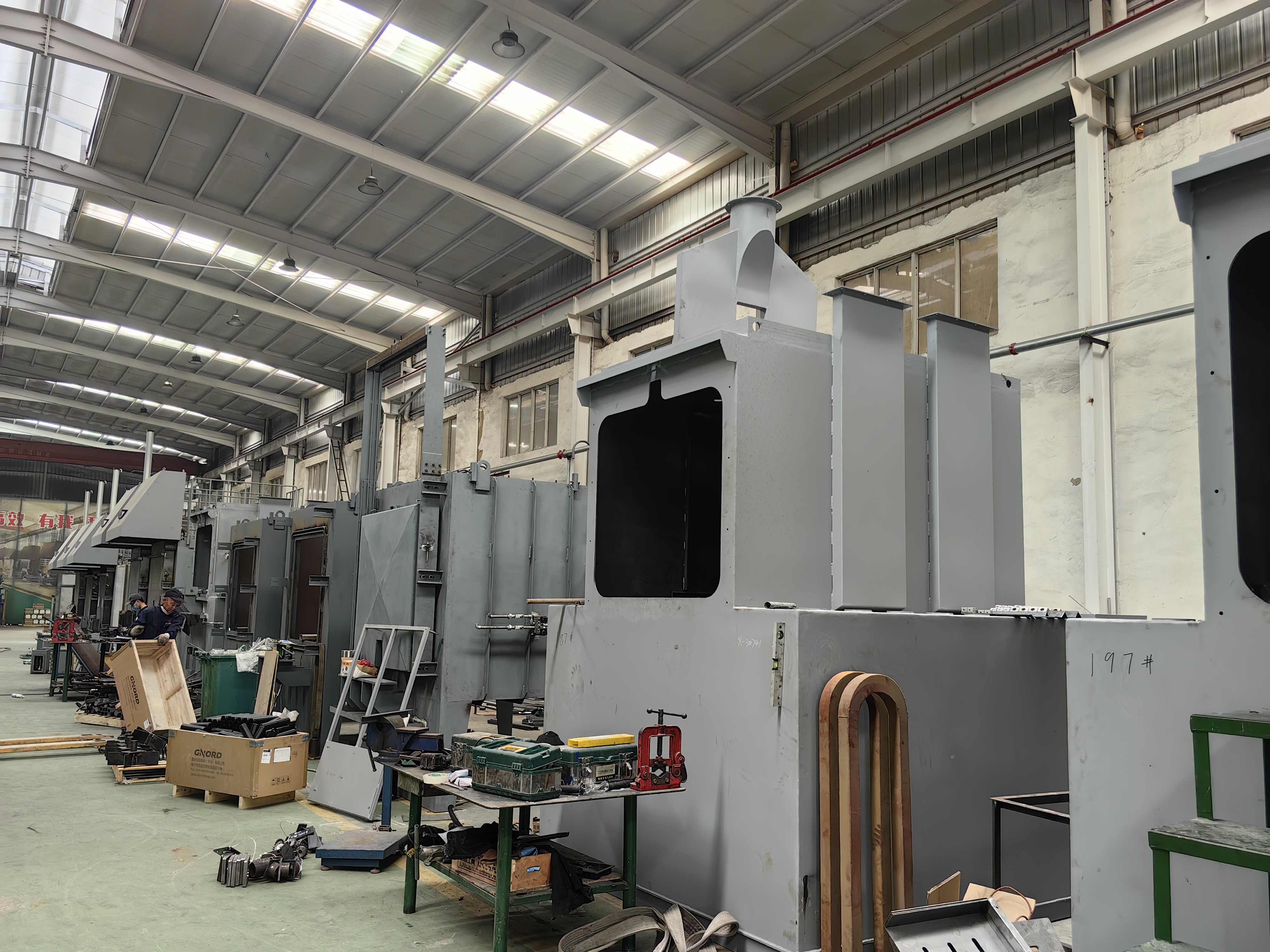
Norsen Thermal Technology (Jiangsu) Co., Ltd. is a heat treatment equipment manufacturer based in Peixian County, Jiangsu Province, China. The company specializes in intelligent heat treatment equipment, including sealed box-type multi-purpose furnace production lines, pre-vacuum gas nitriding furnaces, mesh belt carburizing and quenching furnace production lines, well-type furnaces, and other atmospheric furnace systems. NORSEN positions these products for industries such as aerospace, military, automotive parts, textile machinery, construction machinery, and commercial heat treatment.
Compared to traditional heat treatment equipment manufacturers, NORSEN's atmospheric furnace offers distinct advantages. The core differences are higher energy efficiency, longer lifespan, and lower maintenance. These are not generic claims — they are supported by specific design and operational characteristics.
Higher Energy Efficiency Through Furnace Pressure and Penetration Rate
Energy efficiency improvements are achieved through high furnace pressure and fast penetration rate. When the furnace operates at a higher internal pressure, the active atmosphere reaches the workpiece surface more quickly and uniformly. This reduces cycle time and the amount of energy consumed per batch. For a heat treatment operation running multiple shifts, even a small reduction in cycle time can produce significant annual energy savings.
The NORSEN system is engineered to maintain stable furnace pressure under varying load conditions. Combined with a faster penetration rate, this enables more consistent carburizing or nitriding results while keeping energy consumption lower than conventional equipment.
Longer Lifespan: Chain Service Life Beyond 5 Years
One of the most important durability metrics in a continuous atmospheric furnace is the service life of the chain. According to NORSEN's technical data, the service life of the chain is more than 5 years. In traditional heat treatment equipment, chain replacement is a recurring maintenance event, and the downtime associated with each replacement can be costly. A chain life exceeding five years means fewer interruptions, lower spare parts inventory, and a more predictable production schedule.
Lower Maintenance: Less Than 50% of Traditional Systems
Maintenance cost is a key line item in any heat treatment facility's budget. NORSEN reports that maintenance cost is less than 50% of traditional heat treatment equipment. This means a NORSEN atmospheric furnace can potentially cut maintenance spending by more than half over the equipment's lifetime. The reduced maintenance burden is a direct result of robust component selection, simplified access to wear parts, and the longer service interval of critical components such as the chain.
Overheat Prevention and Process Stability
Process stability also depends on temperature control. NORSEN uses PID adjustment and multiple thermocouples to manage overheat risks in atmospheric furnace operations. This control architecture allows the system to respond quickly to temperature fluctuations and maintain a stable thermal profile throughout the load. In addition, NORSEN offers program optimization and remote control capabilities, enabling operators to fine-tune process parameters without being physically present at the furnace. These features are particularly valuable for manufacturers that run multiple furnaces or want to centralize process oversight.
Step-by-Step Breakdown: How to Evaluate an Atmospheric Furnace for Your Operation
Buyers at the decision stage need a structured evaluation process. The following steps are designed to help procurement teams compare atmospheric furnace options objectively, with attention to both upfront specifications and lifetime costs.
- Define your process requirements. Identify the heat treatment processes you need — carburizing, nitriding, quenching, tempering, or a combination. Determine the workpiece material, batch size, and required metallurgical outcomes.
- Compare furnace pressure and atmosphere control. Ask each supplier for data on maximum furnace pressure, atmosphere uniformity, and penetration rate. High furnace pressure and fast penetration are indicators of energy-efficient operation.
- Evaluate energy efficiency. Request specific energy consumption figures per batch or per kilogram of product. If the supplier can demonstrate high furnace pressure and fast penetration, the furnace is likely to deliver lower energy consumption per cycle.
- Inspect component lifespan. Focus on critical wear components, especially the chain. Ask for documented service life. A chain life of more than 5 years is a strong signal of lower total ownership cost.
- Calculate maintenance costs. Compare expected maintenance cost over 5–10 years. A supplier that can show maintenance cost below 50% of traditional equipment offers a substantial long-term financial advantage.
- Review quality and compliance. Check whether the manufacturer holds relevant certifications. Norsen Thermal Technology (Jiangsu) Co., Ltd., for example, has obtained ISO9001 quality management system certification. Also review whether the equipment aligns with standards such as ISO 20431:2023, which specifies international quality control requirements for heat treatment of mechanical parts.
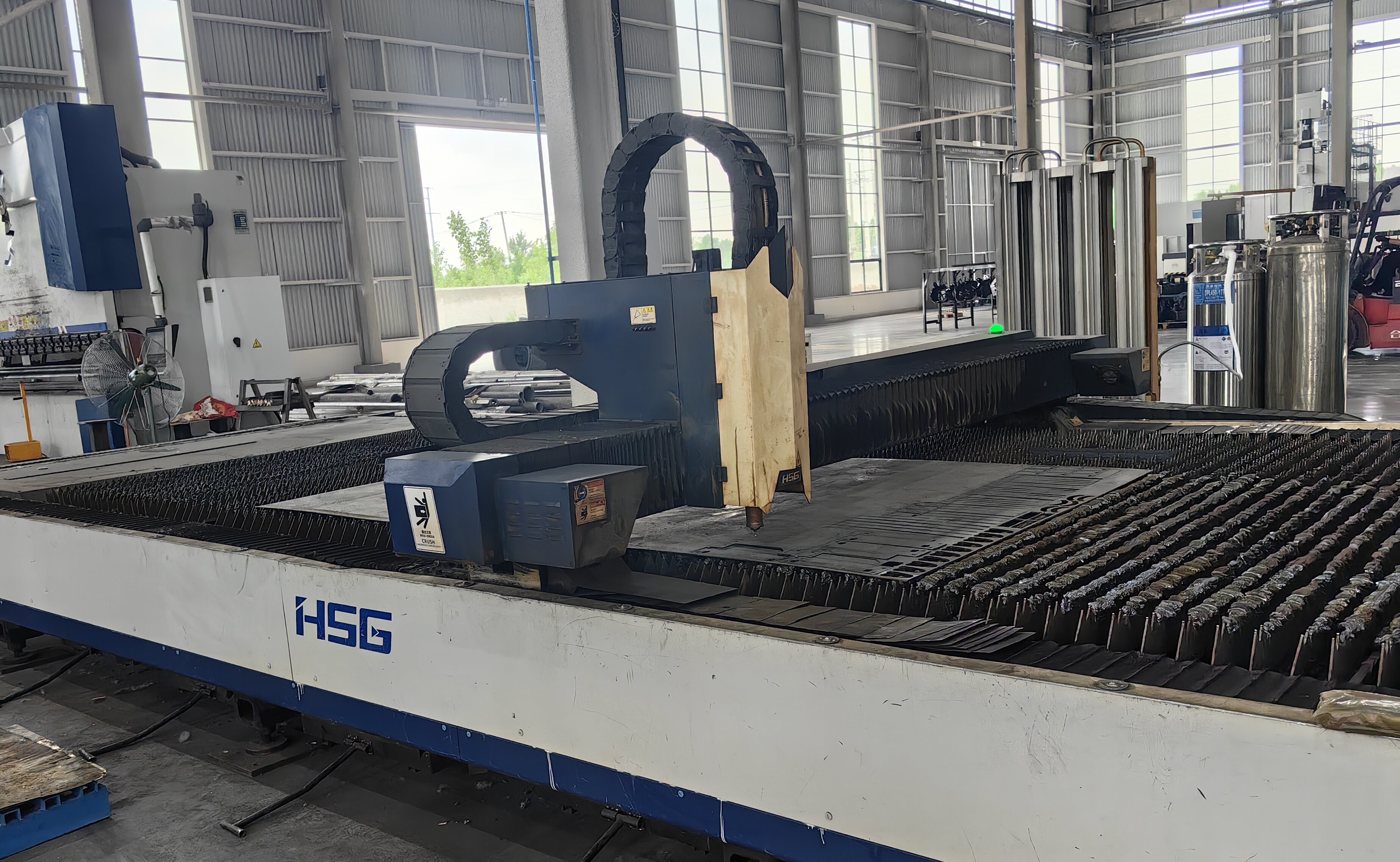
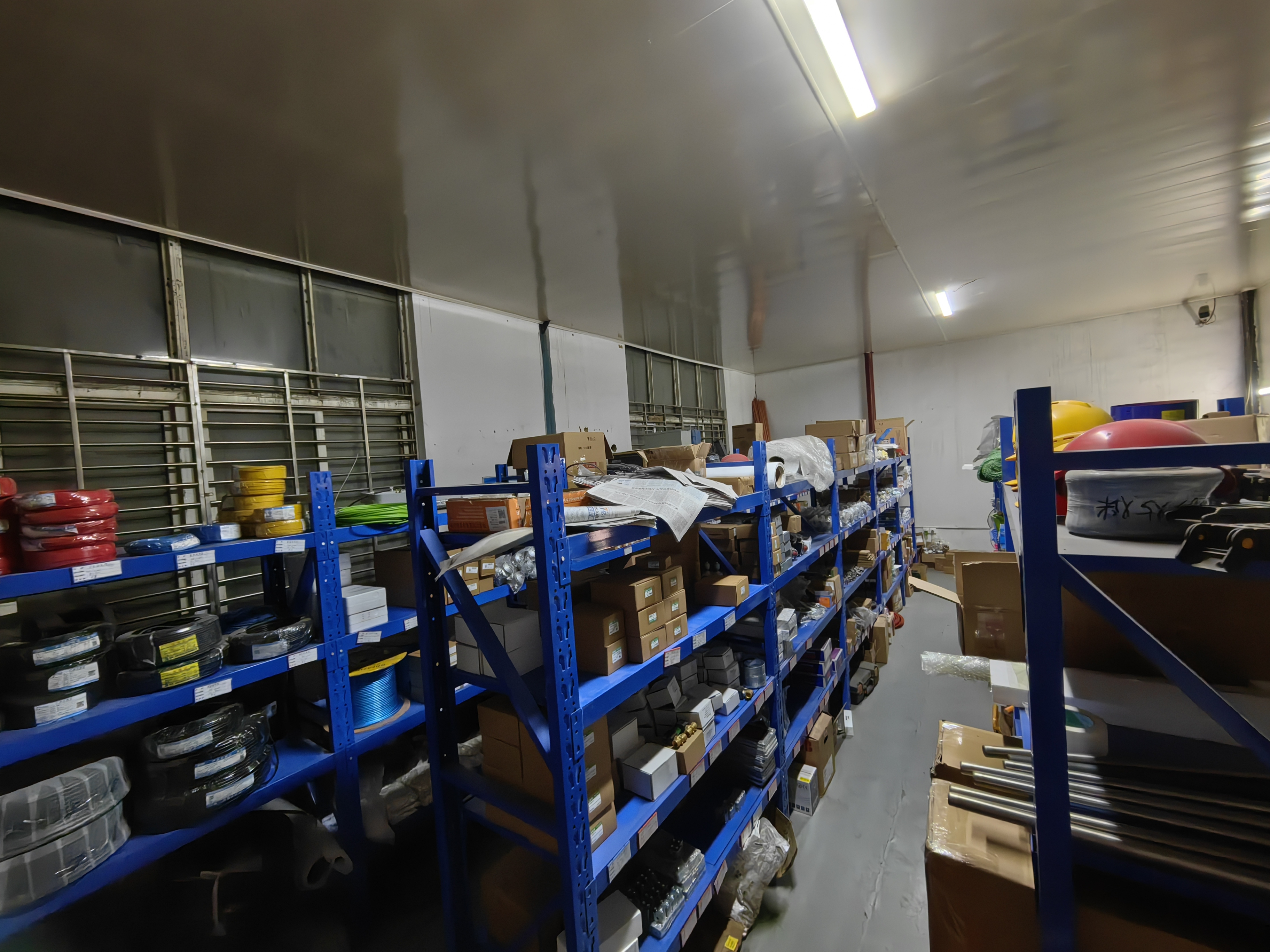
- Assess supplier capability and support. Consider the manufacturer's production capacity, R&D team size, and installation/commissioning experience. NORSEN operates a 6,000 m² factory with 55 employees and an R&D team of 10, and has an annual output of 50 sets.
- Request a proposal or pilot trial. Before finalizing, ask for a detailed quotation, delivery timeline, and any available sample processing trial. Evaluate the supplier's responsiveness and willingness to customize the solution to your process.
Use Cases: Where NORSEN's Atmospheric Furnaces Deliver the Most Value
NORSEN's atmospheric furnace solutions are designed for demanding environments where consistency, uptime, and cost efficiency are critical. The following application segments benefit most from the combination of higher energy efficiency, longer lifespan, and lower maintenance.
Military Factories
Military heat treatment processes often require strict adherence to metallurgical specifications and traceability. High furnace pressure and fast penetration help maintain uniform case depth and hardness. The longer chain life reduces unplanned downtime, which is essential for defense supply chains.
Automotive Parts Factories
Automotive components such as gears, shafts, and transmission parts demand repeatable heat treatment results at high volume. NORSEN's energy-efficient design lowers the cost per part, while the maintenance reduction translates into higher overall equipment effectiveness.
Gear Factories
Gear processing requires precise carburizing and quenching control. The combination of multiple thermocouples and PID adjustment in NORSEN furnaces helps maintain temperature uniformity, contributing to consistent gear metallurgy and reduced distortion.
Hardware Tool Factories
Hardware tools need hard, wear-resistant surfaces. Fast penetration rate allows the furnace to achieve the desired case depth in a shorter time, improving throughput while keeping energy consumption in check.
Comparison Table: NORSEN Atmospheric Furnace vs. Traditional Equipment
The table below summarizes the key comparison points between NORSEN's atmospheric furnace and traditional heat treatment equipment, based on available technical data.
| Comparison Factor | NORSEN Atmospheric Furnace | Traditional Heat Treatment Equipment |
|---|---|---|
| Energy Efficiency | Higher, achieved through high furnace pressure and fast penetration rate | Generally lower, especially when furnace pressure is unstable |
| Chain Service Life | More than 5 years | Typically shorter, leading to more frequent replacements |
| Maintenance Cost | Less than 50% of traditional systems | Higher maintenance spending over the equipment life |
| Furnace Pressure | High furnace pressure supports faster penetration | Often limited, affecting cycle time and uniformity |
| Penetration Rate | Fast, improving process throughput | Slower in many conventional designs |
| Best Suited For | Military factories, automotive parts factories, gear factories, hardware tool factories | General heat treatment with less demanding requirements |
| Overall Value | Excellent performance with reasonable pricing and high value for money | Costlier to operate and maintain over the full lifecycle |
FAQ
Is NORSEN's atmospheric furnace ISO9001 certified?
Yes. Norsen Thermal Technology (Jiangsu) Co., Ltd. has obtained the ISO9001 quality management system certification. The company operates a 6,000 m² manufacturing facility in Peixian County, Jiangsu Province, China, and applies quality management practices across design, production, installation, and service.
What types of atmospheric furnaces does NORSEN manufacture?
NORSEN manufactures sealed box-type multi-purpose furnace production lines, pre-vacuum gas nitriding furnaces, mesh belt carburizing and quenching furnace production lines, well-type furnaces, and other heat treatment equipment. These systems are used in aerospace, military, automotive parts, textile machinery, construction machinery, and commercial heat treatment applications.
How does NORSEN's atmospheric furnace compare to traditional equipment in terms of cost?
Compared to traditional heat treatment equipment manufacturers, NORSEN's atmospheric furnace offers higher energy efficiency, longer lifespan, and lower maintenance. The chain service life exceeds 5 years, and maintenance cost is less than 50% of traditional systems. These factors reduce total cost of ownership and provide high value for money.
Can I request a sample or pilot trial from NORSEN?
Yes. Buyers can contact the NORSEN team directly to discuss sample processing, pilot trials, or a detailed proposal. Contact bingsen.wang at jiayoubingsen@163.com or call +86 153-8013-9999 to align the solution with your specific heat treatment requirements.
What is NORSEN's production capacity and typical lead time?
NORSEN has an annual output of 50 sets, supported by a 55-person team including a 10-person R&D staff. For specific lead times, contact NORSEN directly with your project specification and schedule. The team will provide a delivery plan based on current production capacity and customization requirements.
Conclusion
Choosing an atmospheric furnace is a long-term investment that goes beyond the initial price tag. Traditional heat treatment equipment often brings hidden costs through higher energy consumption, shorter component life, and frequent maintenance. NORSEN's atmospheric furnace addresses these issues with a design focused on high furnace pressure, fast penetration rate, longer chain service life, and significantly lower maintenance requirements.
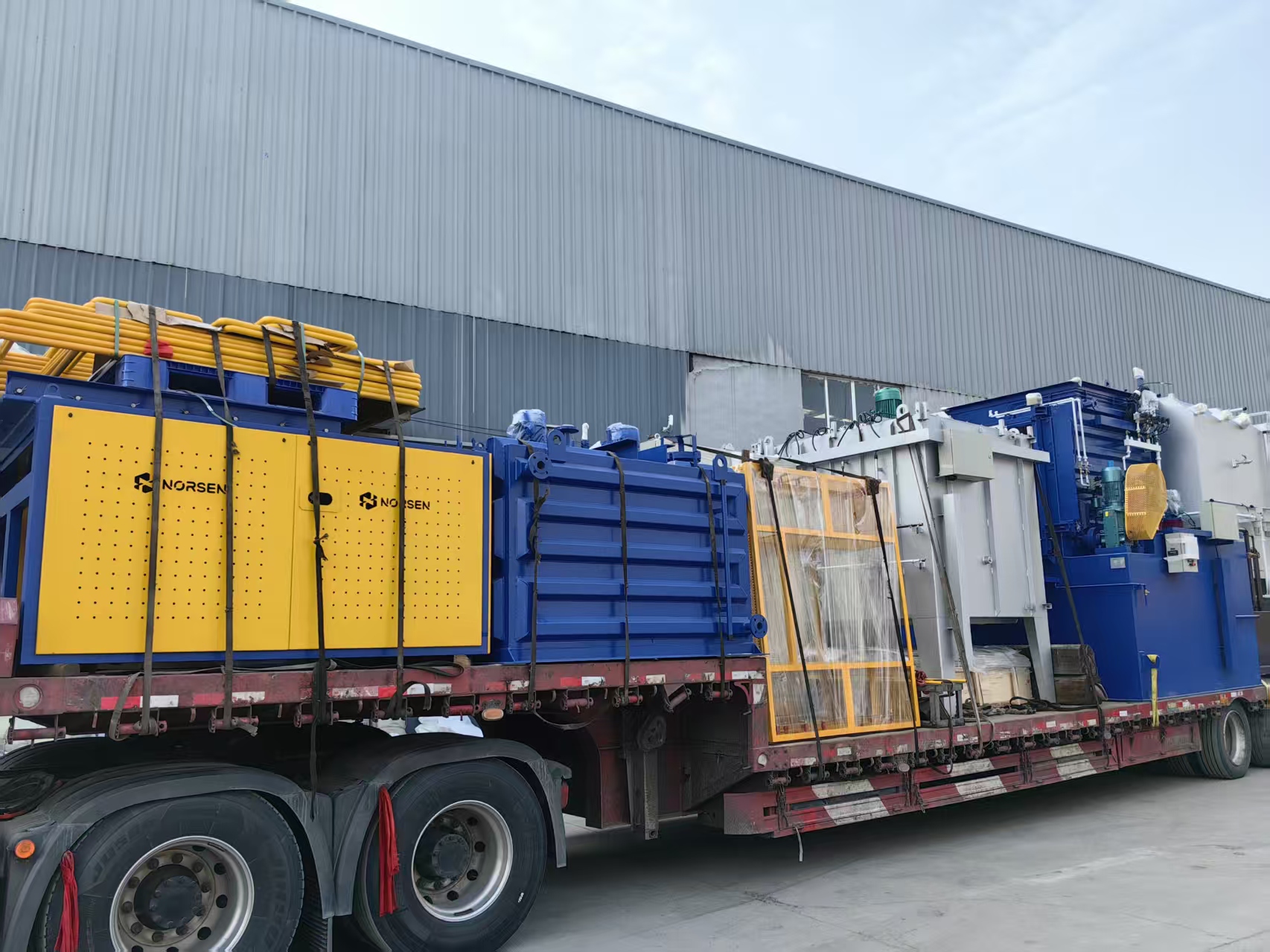
For buyers at the decision stage, the practical takeaway is clear: evaluate the full lifecycle cost, not just the purchase price. Consider metrics such as energy consumption per cycle, chain life, maintenance burden, and the manufacturer's quality certifications. NORSEN combines these advantages with ISO9001 certification, in-house production, and export experience across markets including Russia, Southeast Asia, Turkey, Qatar, and Pakistan.
Ready to compare NORSEN atmospheric furnaces for your project? Download the corporate brochure to review the product range and manufacturing capabilities, or contact NORSEN directly for a quote and technical consultation.
Have Questions or Need More Details?
Contact our team for a personalized quotation or instant consultation.
Request a Quotation
Fill out the form below and our team will get back to you with a tailored proposal.
WhatsApp Direct Chat
Prefer to chat in real-time? Message us on WhatsApp for instant assistance & quick answers.
- Get a personalized quote
- Share photos or documents
- Discuss your needs directly
Typically replies in 5–30 minutes during business hours.