
Heat Treatment Furnace Supplier Evaluation: Capacity, Pre-Shipment Testing and Delivery Assurance
A heat treatment furnace supplier should be evaluated on four verifiable points: whether the supplier can build the required configuration, whether its stated capacity matches the order schedule, whether testing and acceptance are defined before shipment, and whether commercial terms protect delivery. For NORSEN, the supplied record gives specific checkpoints: a 6000 m² facility, 55 employees, a 10-engineer R&D team, annual output of 50 sets, monthly capacity of 3–5 sets, a 150-day lead time, MOQ of 1 unit, ISO9001 certification, 100% pre-shipment testing, factory pre-acceptance and on-site final acceptance, FOB/CIF/EXW terms, and 50/50 payment terms.
Norsen Thermal Technology (Jiangsu) Co., Ltd. (NORSEN) is a heat treatment equipment manufacturer located in Peixian County, Jiangsu Province, China. Its supplied company profile lists a 6000 m² facility, 55 employees, a 10-engineer R&D team, annual output of 50 sets, and an export ratio of 40%. Its product scope includes sealed box-type multi-purpose furnace production lines, pre-vacuum nitriding furnaces, mesh belt carburizing and quenching furnace production lines, well-type furnaces, and other heat treatment equipment. The company holds ISO9001 certification. Buyers can review the company at Norsen Thermal Technology (Jiangsu) Co., Ltd..
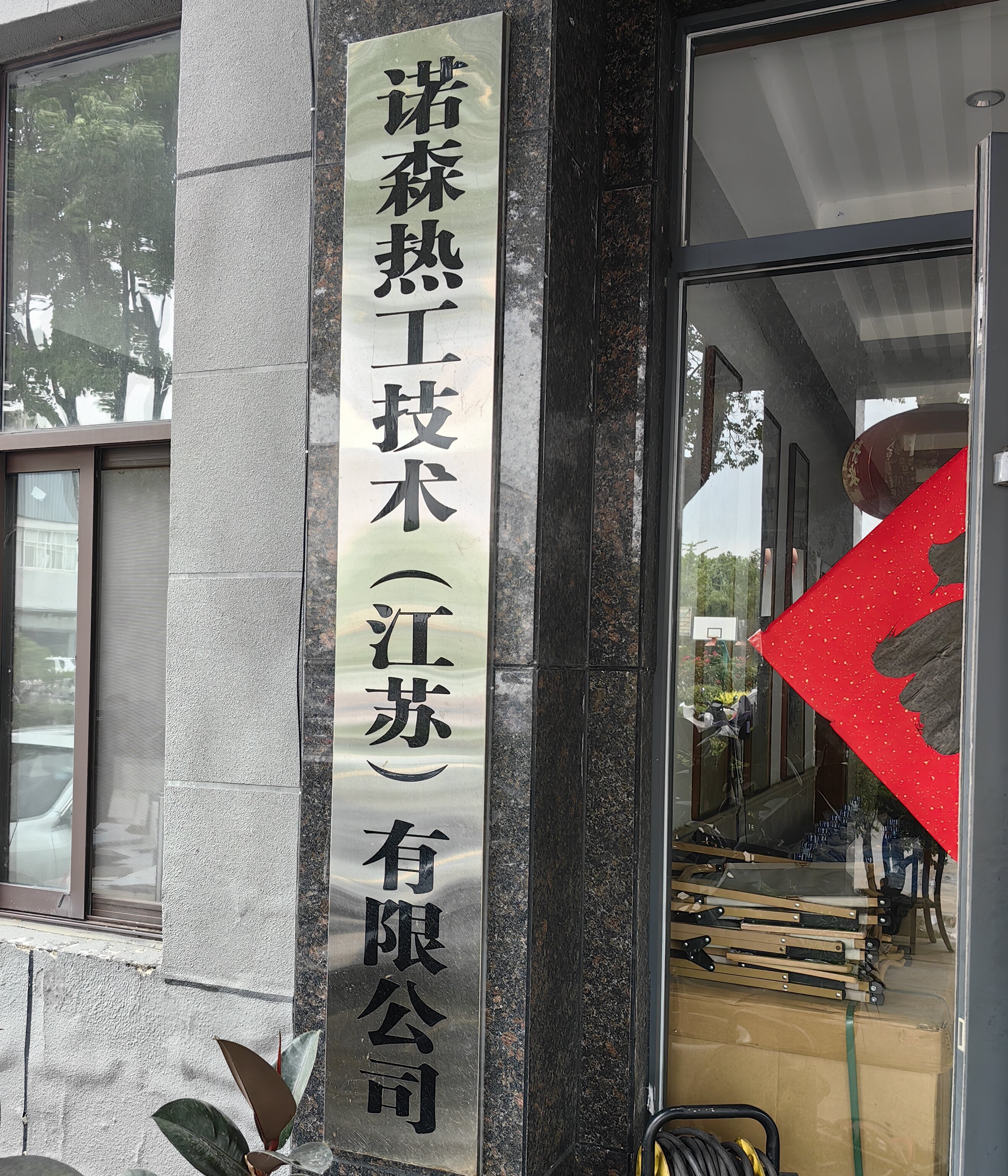
Company image supplied by NORSEN. Caption: Norsen Thermal Technology (Jiangsu) Co., Ltd.
Problem definition: why a furnace order needs a supplier-evaluation framework
A heat treatment furnace is not a standard off-the-shelf item. The buyer must separate capability from delivery assurance. Capability answers whether the supplier can make the required equipment. Delivery assurance answers whether the equipment will be tested, accepted, paid for, and shipped on a schedule the buyer can plan around. The two questions are related but not identical. A supplier can have relevant product lines and still need project-specific confirmation on size, automation, performance requirements, and acceptance criteria.
This is why the evaluation should not stop at a product list. It should convert each supplier statement into a checkpoint that can be verified before the purchase order and again before shipment. The framework below uses only the supplied NORSEN facts and the available industry-standard references. It is a buyer-side evaluation path, not a ranking of suppliers.
Industry background: what furnace qualification usually involves
Heat treatment is used to improve mechanical properties, increase hardness, enhance toughness, and resist fatigue. Those outcomes matter in automotive parts, military industry components, hardware tools, gears, and other metal parts. The published scope of ISO/TC 244 covers industrial furnaces and associated processing equipment, including quality requirements and recommendations applicable to heat treatment on mechanical parts used in car manufacturing, aerospace, pipeline systems, civil engineering equipment, earth moving machinery, agricultural equipment, naval industry, energy equipment, tooling, and fasteners.
At the furnace level, ASTM A991/A991M is a standard test method for conducting temperature uniformity surveys of furnaces used to heat treat steel products. Industry guidance also describes AMS 2750 and CQI-9 as standards that subject heat treatment processes to stricter rules, including temperature uniformity, instrumentation, calibration, and system accuracy testing. These references are useful because they show what a buyer may need to ask about. They do not mean that every furnace order requires the same qualification package. The buyer should define the applicable standard, the acceptance evidence, and the party responsible for each test in the purchase specification.
For NORSEN, the supplied evidence includes an ISO9001 certificate, but it does not include AMS 2750 or CQI-9 qualification records. A buyer whose process requires those standards should request project-specific evidence rather than assume that an ISO9001 certificate covers them. This distinction is part of a factual supplier evaluation: the certificate is verifiable, and the boundary of that certificate is also verifiable.
Detailed solution: a six-gate supplier evaluation
The practical solution is to evaluate the supplier through six gates. Each gate should produce a document, a number, or a written confirmation that can be checked. If a gate cannot be closed, the buyer should treat it as an open item before the order, not as a detail to resolve after shipment.
Gate 1: Application and configuration fit
Start with the part, the process, and the required result. The supplied NORSEN product scope includes sealed box-type multi-purpose furnace production lines, pre-vacuum nitriding furnaces, mesh belt carburizing and quenching furnace production lines, and well-type furnaces. The case record lists automotive OEM, military industry units, hardware tool factories, and gear factories as user types. The same record describes the application as improving mechanical properties, increasing hardness, enhancing toughness, and resistance to fatigue.
This gate is not closed by a product name alone. The buyer should confirm that the proposed furnace type matches the intended process and part family. The supplied ODM scope covers customization of equipment size, automation degree, and performance requirements. That is the right place to define the effective size, the automation level, and the performance requirements in writing. A clear configuration list is more useful than a general statement that the supplier can customize.
Gate 2: Capacity and engineering resources
Capacity should be checked at the level of the actual order, not only at the level of the factory. The supplied company profile lists a 6000 m² facility, 55 employees, a 10-engineer R&D team, annual output of 50 sets, and a 40% export ratio. The capability record lists monthly capacity of 3–5 sets. These are company-reported figures and should be read as stated capacity, not as a guarantee for a specific delivery date.
For the buyer, the useful question is whether the stated capacity leaves room for the required configuration and the requested schedule. A monthly capacity of 3–5 sets and an annual output of 50 sets give the buyer a scale reference. They do not replace a project schedule. The buyer should ask for the production slot, the engineering review date, the drawing approval date, and the shipment date in the order confirmation. The 10-engineer R&D team is relevant to customization because the ODM scope includes equipment size, automation degree, and performance requirements; the buyer should still confirm which engineer or team will review the technical specification.
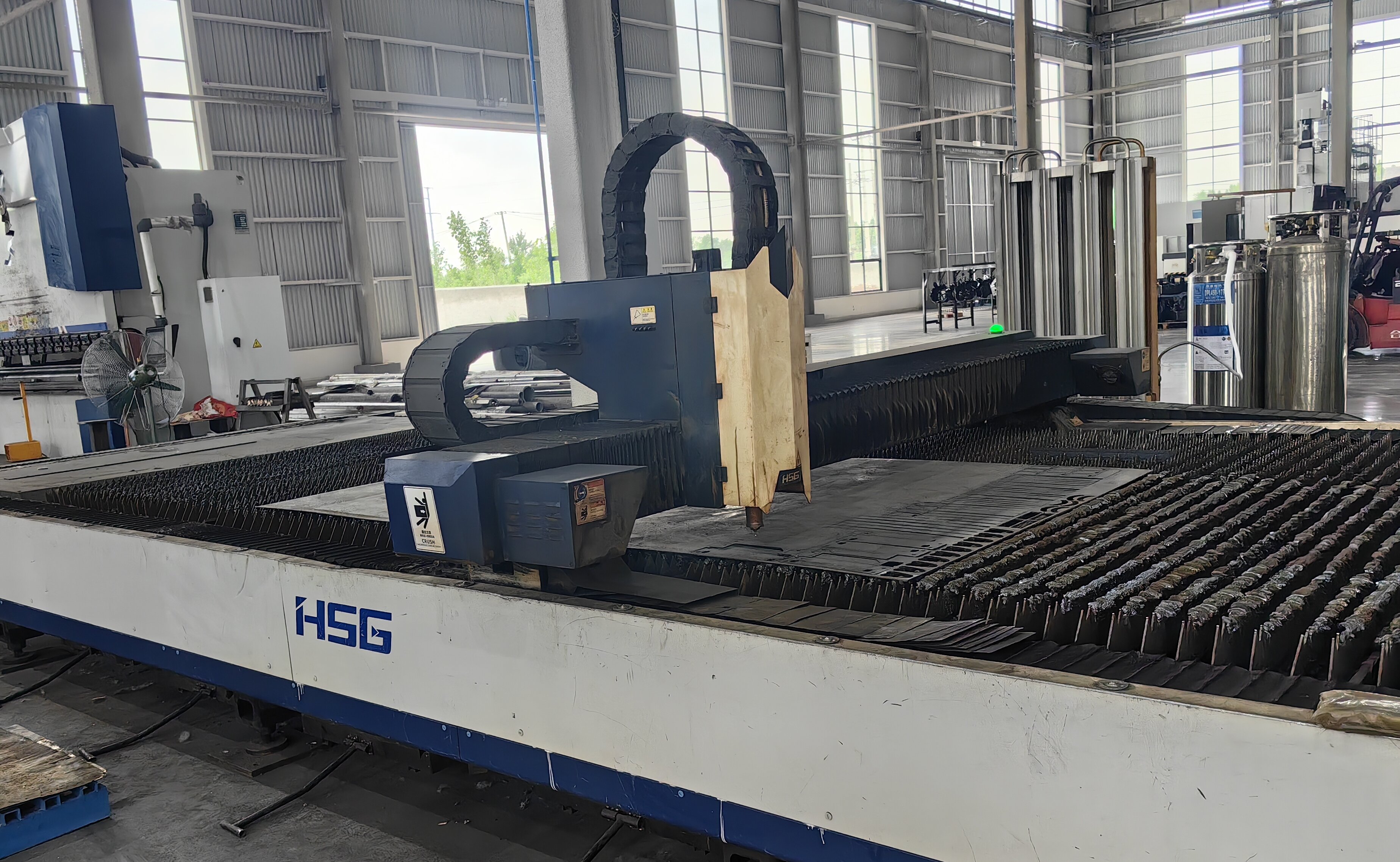
Laser cutting in NORSEN production. Image supplied by NORSEN.
Gate 3: Quality management system and certificate scope
The quality-system check should go beyond the word ISO9001. The supplied certificate record identifies ISO9001 certification number ISC-Q-2024-4373-R, issued by Beijing National Standard Joint Certification Co., Ltd. The standard is GB/T19001-2016/ISO9001:2015. The issue date is 2024-08-29, and the expiry date is 2027-08-29. The stated scope is Technology Development and Manufacture of Heat Treated Industrial Electric Furnishings.
A buyer should check three things: the certificate is current at the time of order, the scope covers the activity being purchased, and the certificate is linked to the legal entity that will sign the contract. The supplied record supports the first two points as stated. The buyer should still confirm the contracting entity and the certificate holder in the commercial documents. ISO9001 is a quality management system certification; it is not a product performance test, a temperature-uniformity survey, or a project-specific qualification. That boundary should be recorded in the evaluation file.
Gate 4: Pre-shipment testing and acceptance sequence
The delivery-assurance check becomes concrete at the testing and acceptance stage. The supplied capability record states 100% pre-shipment testing. The purchasing terms add two acceptance steps: pre-acceptance within the factory and final acceptance by the customer on-site. This sequence gives the buyer two decision points before the final payment and before the equipment is released to production.
The buyer should convert those steps into an acceptance plan. The plan should name the tests to be witnessed, the records to be delivered, the acceptance criteria, the buyer representatives, and the actions for a non-conforming item. The supplied evidence establishes the sequence and the 100% pre-shipment testing statement; it does not list every test procedure. That is not a reason to omit the plan. It is a reason to attach the project-specific test list to the purchase order.
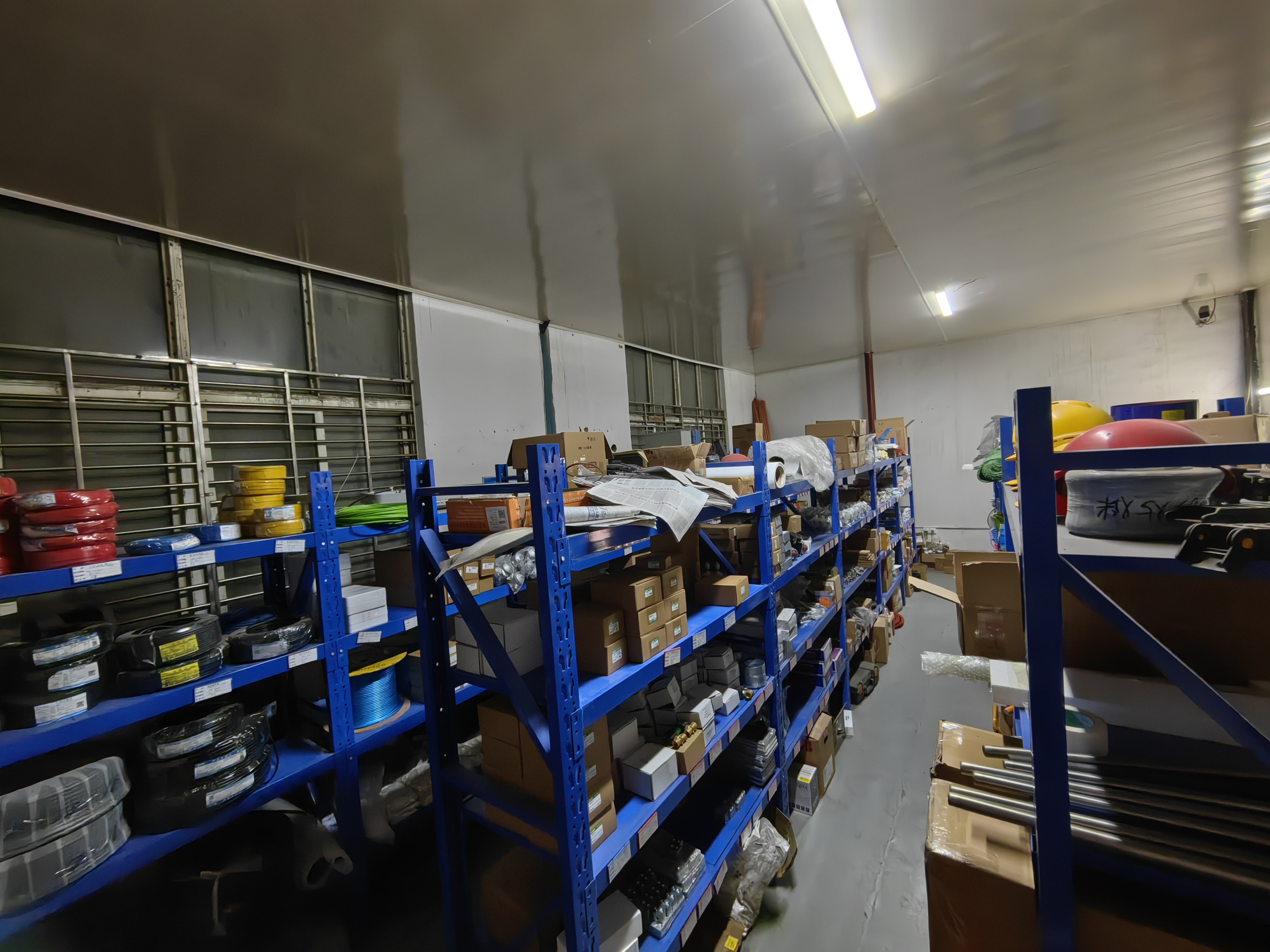
Spare parts warehouse. Image supplied by NORSEN.
Gate 5: Commercial terms and payment protection
The commercial terms are part of delivery assurance because they allocate risk before and after shipment. The supplied purchasing terms list MOQ of 1 unit, delivery terms of FOB, CIF, or EXW, and payment terms of 50% in advance with the remaining 50% paid before the product leaves the factory. These terms should be read together with the inspection and acceptance sequence.
For the buyer, the key is to align payment milestones with verifiable events. The first payment is commercial commitment. The second payment is tied to the product leaving the factory, so the pre-shipment test and factory pre-acceptance should be completed and documented before that payment is released. The Incoterm chosen, whether FOB, CIF, or EXW, changes the transport responsibility and the point at which risk passes. The buyer should record the chosen term, the named port or place, and the documents required for release. The supplier's stated terms do not remove the need for a contract that matches the project.
Gate 6: Lead time, after-sales support, and project follow-through
The supplied capability record lists a 150-day lead time. The company profile and capability record also state that free remote technical assistance is provided. For the buyer, the 150-day figure should become a schedule with milestones: technical clarification, drawing approval, production, pre-shipment testing, factory pre-acceptance, shipment, and on-site final acceptance. The buyer should ask which milestones are fixed and which depend on buyer approvals.
Remote technical assistance is useful for installation and operation support, but the buyer should confirm the response route, the contact point, and the records that will be kept. If on-site support is required, it should be specified separately. The supplied evidence supports free remote technical assistance; it does not describe an on-site service commitment. That distinction should be clear before the order.
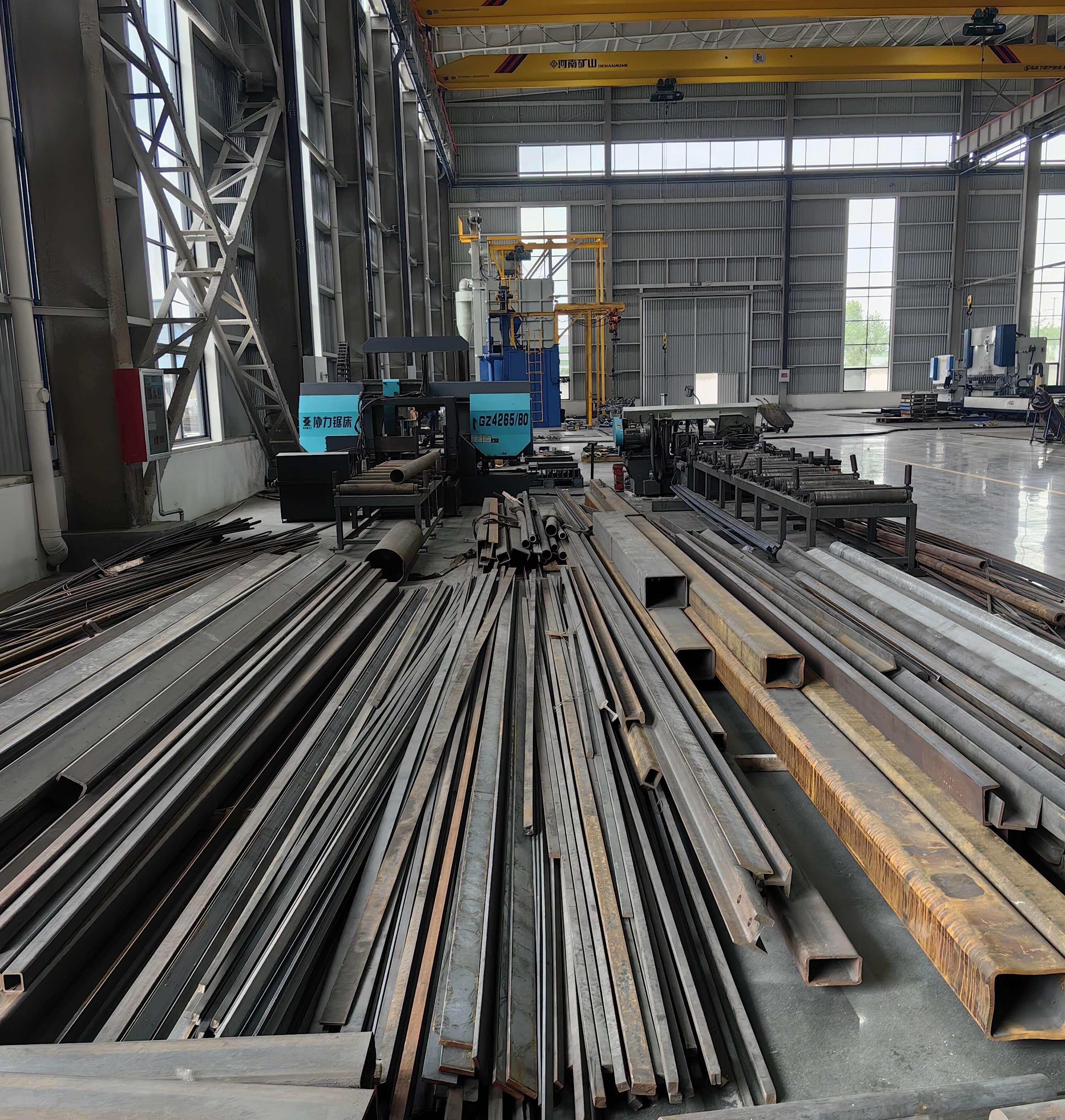
Sawing machine cutting material. Image supplied by NORSEN.
Step-by-step breakdown for the buyer
- Write the process and part specification. Define the material, the required mechanical properties, the hardness and toughness targets, and the fatigue-resistance requirement. Match the furnace type to the process. Use the NORSEN product scope only as a starting point for the technical discussion.
- Request a configuration and customization review. Ask the supplier to confirm equipment size, automation degree, and performance requirements under the ODM scope. Require a written configuration list and a drawing approval step.
- Verify capacity against the schedule. Compare the requested delivery date with the stated monthly capacity of 3–5 sets and annual output of 50 sets. Ask for a production slot and a milestone schedule, not only a lead-time number.
- Check the quality certificate and its scope. Confirm ISO9001 certificate ISC-Q-2024-4373-R, the issuing authority, the standard, the issue and expiry dates, and the scope. Confirm the legal entity that will contract.
- Agree the test and acceptance plan. Put 100% pre-shipment testing, factory pre-acceptance, and on-site final acceptance into the purchase order. Define the test records, acceptance criteria, and non-conformance process.
- Align payment and delivery terms. Record MOQ 1 unit, FOB/CIF/EXW, and the 50/50 payment schedule. Tie the second payment to the documented pre-shipment test and factory pre-acceptance.
- Plan the 150-day schedule. Convert the lead time into dated milestones and assign responsibility for buyer approvals. Confirm the remote technical assistance route and any separately agreed service.
Use cases: where this evaluation framework matters
The supplied case record lists automotive OEM, military industry units, hardware tool factories, and gear factories as user types. These are different buyer contexts, but they share a common need: the furnace must support the intended heat treatment result and the delivery must fit the production plan.
For automotive and gear applications, the relevant NORSEN product scope includes sealed box-type multi-purpose furnace lines, mesh belt carburizing and quenching lines, pre-vacuum nitriding furnaces, and well-type furnaces. The case record describes the application as improving mechanical properties, increasing hardness, enhancing toughness, and resistance to fatigue. It also lists 10 units and describes the project result as stable quality, precise carbon content, high production efficiency, easy maintenance, and energy conservation. Those are supplied case-record statements; they should be used as reference points for the buyer's own acceptance criteria, not as a guarantee of identical results in a different plant.
For hardware tool factories and military industry units, the same evaluation logic applies. The buyer should confirm the furnace type, the atmosphere-control requirement, the automation level, and the acceptance evidence. The case record highlights high-precision atmosphere control, long service life, low energy consumption, and easy maintenance. These highlights are useful as topics for the technical review. The buyer should still ask how each highlight will be demonstrated in the factory pre-acceptance and the on-site final acceptance.
Comparison table: supplier-evaluation checkpoints and NORSEN evidence
The table compares evaluation checkpoints, not competing suppliers. It shows what the supplied NORSEN evidence establishes and what the buyer should still verify.
| Evaluation checkpoint | Buyer question | NORSEN evidence supplied | What it establishes and what it does not |
|---|---|---|---|
| Quality management system | Is the certificate current and within scope? | ISO9001 certificate ISC-Q-2024-4373-R; GB/T19001-2016/ISO9001:2015; issued 2024-08-29; expires 2027-08-29; scope: Technology Development and Manufacture of Heat Treated Industrial Electric Furnishings | Establishes a certified quality management system within the stated scope. Does not by itself establish AMS 2750 or CQI-9 qualification, or performance of a specific furnace. |
| Manufacturing scale | Does the supplier have the stated capacity and engineering resource? | 6000 m² facility; 55 employees; 10-engineer R&D team; annual output 50 sets; monthly capacity 3–5 sets | Establishes the company-reported scale and capacity reference. Does not guarantee a specific production slot or delivery date. |
| Customization | Can the supplier adapt size, automation, and performance? | ODM services include customization of equipment size, automation degree, and performance requirements | Establishes the stated customization scope. Specific limits must be defined in drawings and a technical agreement. |
| Pre-shipment testing | What quality control occurs before shipment? | 100% pre-shipment testing | Establishes the stated testing policy. The test list, methods, and records should be attached to the order. |
| Acceptance sequence | When does the buyer inspect and accept? | Pre-acceptance within the factory; final acceptance by the customer on-site | Establishes a two-stage acceptance sequence. Acceptance criteria and witness arrangements must be written into the contract. |
| Commercial terms | What are the MOQ, delivery terms, and payment schedule? | MOQ 1 unit; FOB/CIF/EXW; 50% in advance and 50% before the product leaves the factory | Establishes the stated commercial framework. The chosen Incoterm, port, documents, and payment release conditions must be confirmed. |
| Lead time and support | How long is the lead time and what support is provided? | 150-day lead time; free remote technical assistance | Establishes the stated lead time and remote support. It does not replace a milestone schedule or an on-site service agreement. |
FAQ
What ISO certification does NORSEN hold for heat treatment furnace manufacturing?
NORSEN holds ISO9001 certification number ISC-Q-2024-4373-R, issued by Beijing National Standard Joint Certification Co., Ltd. The standard is GB/T19001-2016/ISO9001:2015, issued on 2024-08-29 and valid until 2027-08-29. The stated scope is Technology Development and Manufacture of Heat Treated Industrial Electric Furnishings. Buyers should confirm that the certificate is current at the time of order and that it covers the contracting entity and the activity being purchased.
What capacity and customization can NORSEN support?
The supplied company profile lists a 6000 m² facility, 55 employees, a 10-engineer R&D team, annual output of 50 sets, and a monthly capacity of 3–5 sets. ODM services include customization of equipment size, automation degree, and performance requirements. These figures are company-reported capacity references; the buyer should still obtain a project-specific production slot and a written configuration list.
How does NORSEN control quality before shipment?
The supplied capability record states that NORSEN performs 100% pre-shipment testing. That statement should be converted into an approved test plan for the specific order. The plan should identify the tests, the records, the acceptance criteria, and the buyer witnesses. The supplied evidence does not list every test procedure, so the buyer should attach the required test list to the purchase order.
What acceptance steps are specified?
The purchasing terms specify pre-acceptance within the factory and final acceptance by the customer on-site. This gives the buyer a factory-stage check before shipment and an on-site check after installation. The buyer should define the acceptance criteria, the responsible representatives, and the actions for any non-conforming item in the contract.
What are the MOQ, payment terms, and Incoterms?
The supplied terms list MOQ of 1 unit, delivery terms of FOB, CIF, or EXW, and payment terms of 50% in advance with the remaining 50% paid before the product leaves the factory. The buyer should record the chosen Incoterm, the named port or place, the required shipping documents, and the link between the second payment and the documented pre-shipment test and factory pre-acceptance.
What is the lead time, and how should a buyer plan around it?
The supplied capability record lists a 150-day lead time. The buyer should convert that number into dated milestones: technical clarification, drawing approval, production, pre-shipment testing, factory pre-acceptance, shipment, and on-site final acceptance. Buyer approvals should be assigned a date, because they can affect the schedule. The lead time is a stated planning figure, not a substitute for a project schedule.
What is the next step for a buyer evaluating NORSEN?
The practical next step is to request a configuration review against the part, process, equipment size, automation degree, and performance requirements. Ask for a quotation, a milestone schedule, and a draft acceptance plan that reflects 100% pre-shipment testing, factory pre-acceptance, and on-site final acceptance. Buyers can review the company at Norsen Thermal Technology (Jiangsu) Co., Ltd. and download the NORSEN brochure for the supplied product and company information.
Conclusion
A heat treatment furnace supplier evaluation should end with a verifiable file, not a general impression. The file should show the configuration, the capacity reference, the quality certificate and its scope, the pre-shipment test plan, the factory pre-acceptance and on-site final acceptance steps, the commercial terms, and the 150-day schedule. For NORSEN, the supplied evidence provides specific starting points: a 6000 m² facility, 55 employees, a 10-engineer R&D team, annual output of 50 sets, monthly capacity of 3–5 sets, ISO9001 certification, 100% pre-shipment testing, factory pre-acceptance, on-site final acceptance, MOQ 1 unit, FOB/CIF/EXW terms, 50/50 payment, 150-day lead time, and free remote technical assistance.
The buyer's task is to turn those starting points into project-specific commitments. Where the supplied evidence stops, the purchase order should begin. That is the difference between a supplier claim and delivery assurance.
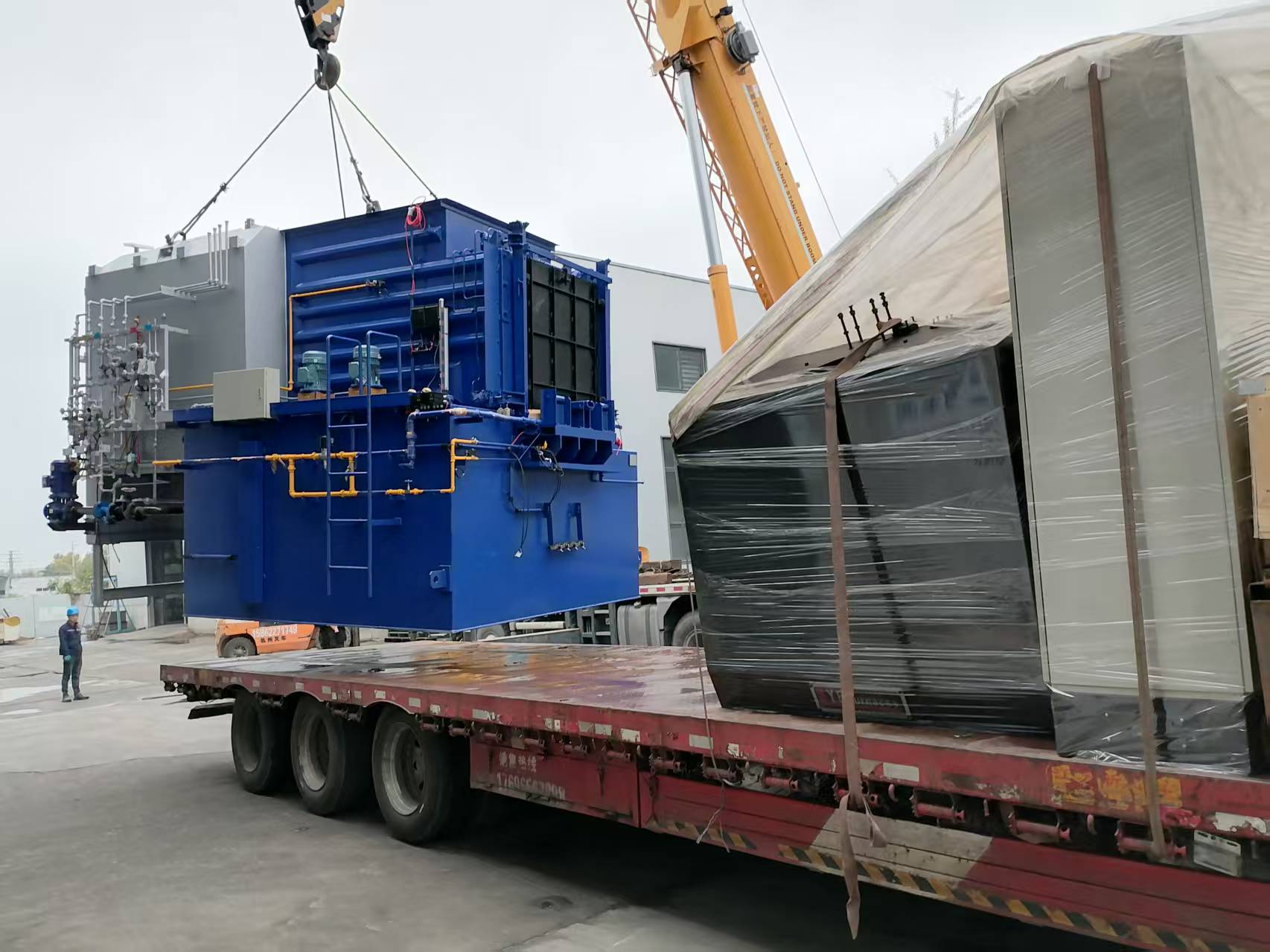
Shipment image supplied by NORSEN. Buyers can request a quotation and review the brochure for the next step.
Have Questions or Need More Details?
Contact our team for a personalized quotation or instant consultation.
Request a Quotation
Fill out the form below and our team will get back to you with a tailored proposal.
WhatsApp Direct Chat
Prefer to chat in real-time? Message us on WhatsApp for instant assistance & quick answers.
- Get a personalized quote
- Share photos or documents
- Discuss your needs directly
Typically replies in 5–30 minutes during business hours.