
Atmospheric Furnace Supplier Evaluation: The Acceptance Test
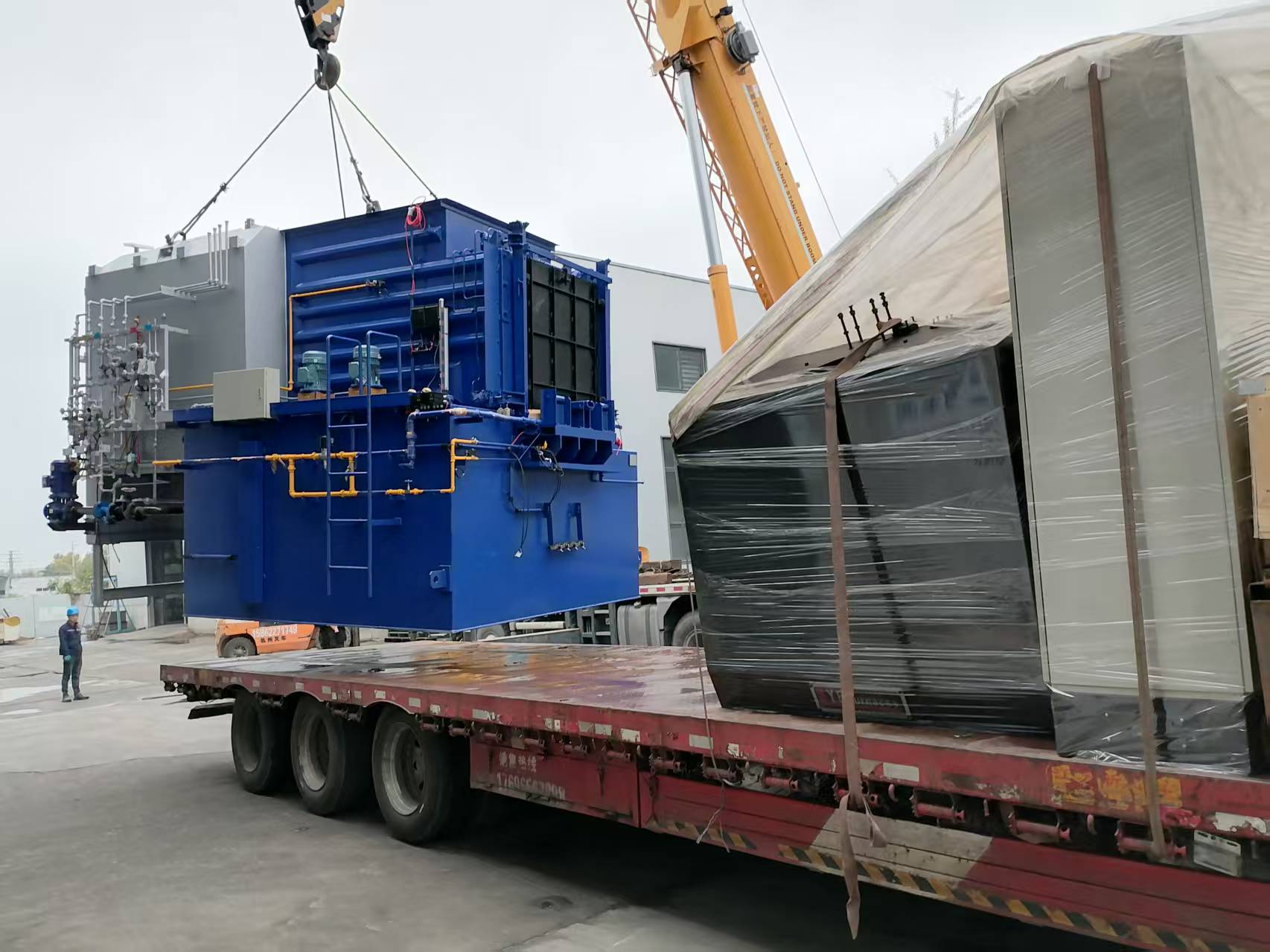
An atmospheric furnace purchase is decided twice: once on the quotation, and once at handover. NORSEN — Norsen Thermal Technology (Jiangsu) Co., Ltd. — can be evaluated on the second decision using terms a buyer is able to check before ordering anything: a minimum order of one unit, a 150-day lead time, monthly capacity of 3–5 sets, FOB/CIF/EXW delivery terms, 50/50 payment, 100% pre-shipment testing, and a two-stage acceptance in which the customer inspects the machine in the factory before shipment and again on site as the final acceptance.
Those commitments describe how a furnace is built, released and handed over. They are useful precisely because they are narrow: each one can be written into a purchase contract, and each one tells a buyer something a product brochure cannot. What they do not do is guarantee a carbon profile, a hardness spread or an energy figure on your own parts. This evaluation separates the two, so that commercial terms are asked to prove only what they are capable of proving.
Why the Handover Stage Decides a Furnace Purchase
A controlled-atmosphere furnace is a process machine before it is a piece of equipment. Carburizing, carbonitriding, neutral hardening and tempering all depend on the interaction of atmosphere composition, temperature and time, and the parts that come out are judged on case depth, surface hardness, distortion and run-to-run repeatability. Two furnaces with identical chamber dimensions can behave differently on the same job because of how the atmosphere is circulated, how the control loop is tuned, and how the quench is timed.
That is why purchase risk concentrates at handover — the point where the machine, the plant utilities, the loading pattern and the operator meet for the first time. A buyer who negotiates only price and chamber size leaves that point undefined. A buyer who negotiates delivery, testing and acceptance stages converts it into a sequence of checkpoints, each with a document attached and each with someone responsible for signing it. NORSEN's stated commercial terms are the raw material for building that sequence.
Where the Atmospheric Furnace Supply Base Stands in 2026
Industrial furnace demand is large enough that qualified builders are not scarce, which moves the evaluation question from availability to verifiability. Fortune Business Insights reported the global industrial furnace market at USD 10.87 billion in 2026, with Asia Pacific accounting for 39.70% of global revenue in 2025 (Fortune Business Insights, Industrial Furnace Market Size, Share & Growth Analysis, published 7 September 2026). That figure covers industrial furnaces as a category, not atmospheric furnaces alone, so it is context for the size of the supplier pool rather than a market-size claim for this product type.
Within that pool, buyers typically weigh two routes: global premium builders with long installed bases, and Chinese specialists such as NORSEN that compete on configuration flexibility, single-unit order acceptance and explicit delivery terms. The two routes should be compared on the same commercial dimensions — order size, lead time, capacity, delivery basis, payment structure, testing and acceptance — because a comparison built on brand language alone cannot be resolved in a procurement meeting.
The Seven Commitments and What Each One Actually Proves
Minimum order of one unit: a configured build, not a stock sale
NORSEN states a minimum order quantity of 1 unit under an ODM production model. For the buyer, this means an order does not have to be padded to reach a batch size, and the machine can be specified to the job rather than selected from a catalogue. NORSEN's stated customization axes are the effective size of the equipment, the degree of automation, and the performance requirements of the equipment.
What the term proves is that a commercial route to a non-standard configuration exists at single-unit scale, and that your acceptance leverage applies to your own machine rather than to an anonymous batch. What it does not prove is that every configuration is achievable at a given budget, or that a requested combination is technically sensible — those remain engineering conversations to be closed before the order.
150-day lead time and 3–5 sets per month capacity
These two numbers should be read together. NORSEN states a 150-day lead time and a monthly capacity of 3–5 sets, with annual output around 50 sets. On a one-unit order, a lead time measured in months rather than weeks is a build-and-test cycle: fabrication, assembly, integration of the atmosphere and control systems, and then pre-shipment testing before the machine is released.
Monthly capacity tells the buyer how many such cycles can run in parallel, which means the date you receive depends on the production slot you book and not only on the complexity of your specification. The practical check is to ask for slot confirmation and milestone dates in writing, and to use the build window to complete foundations, gas and power connections, exhaust routing and operator training instead of starting them when the crate arrives.
FOB, CIF and EXW: three different transfer points
NORSEN quotes FOB, CIF and EXW, which allows the commercial offer to be matched to the buyer's freight and insurance arrangements rather than forcing a single logistics model. The three bases place responsibility in different positions. Under EXW, most of the movement falls to the buyer from the seller's premises. Under FOB, responsibility transfers once the goods are loaded on board at the named port of shipment after export clearance. Under CIF, the seller adds cost and insurance to a named destination port, but the risk point remains at shipment.
What this proves is flexibility in trading basis. What it does not prove is that any one basis is cheaper in landed terms — two quotations can only be compared after the named port, the Incoterms version and the insurance scope are identical on both.
50/50 payment: the split matters less than the trigger
NORSEN quotes a 50/50 payment structure. For evaluation purposes the interesting part is not the ratio but the release point of the second half: which document releases it, and what happens if the milestone behind it slips. A buyer should ask directly whether the balance is released by the pre-shipment test report, by the shipping documents, or by the signed on-site final acceptance, and should have that answer written into the contract.
A 50/50 split is a risk-sharing mechanism only when the trigger is defined; without it, the term is a schedule rather than a control. This is a question the buyer must close, because the split alone does not state which milestone governs.
100% pre-shipment testing
NORSEN states 100% pre-shipment testing rather than sample-based inspection. On a single-unit order this is the only performance signal available before the machine leaves the factory, so its value depends entirely on the protocol behind the percentage: what is measured, with which instruments, recorded in what format, and whether the customer is present when it happens.
The useful action is to request the test record template before the order rather than after. The difference between tested and tested against criteria you agreed is the whole substance of this commitment, and it costs nothing to settle it during negotiation.
Two-stage acceptance: factory pre-acceptance and on-site final acceptance
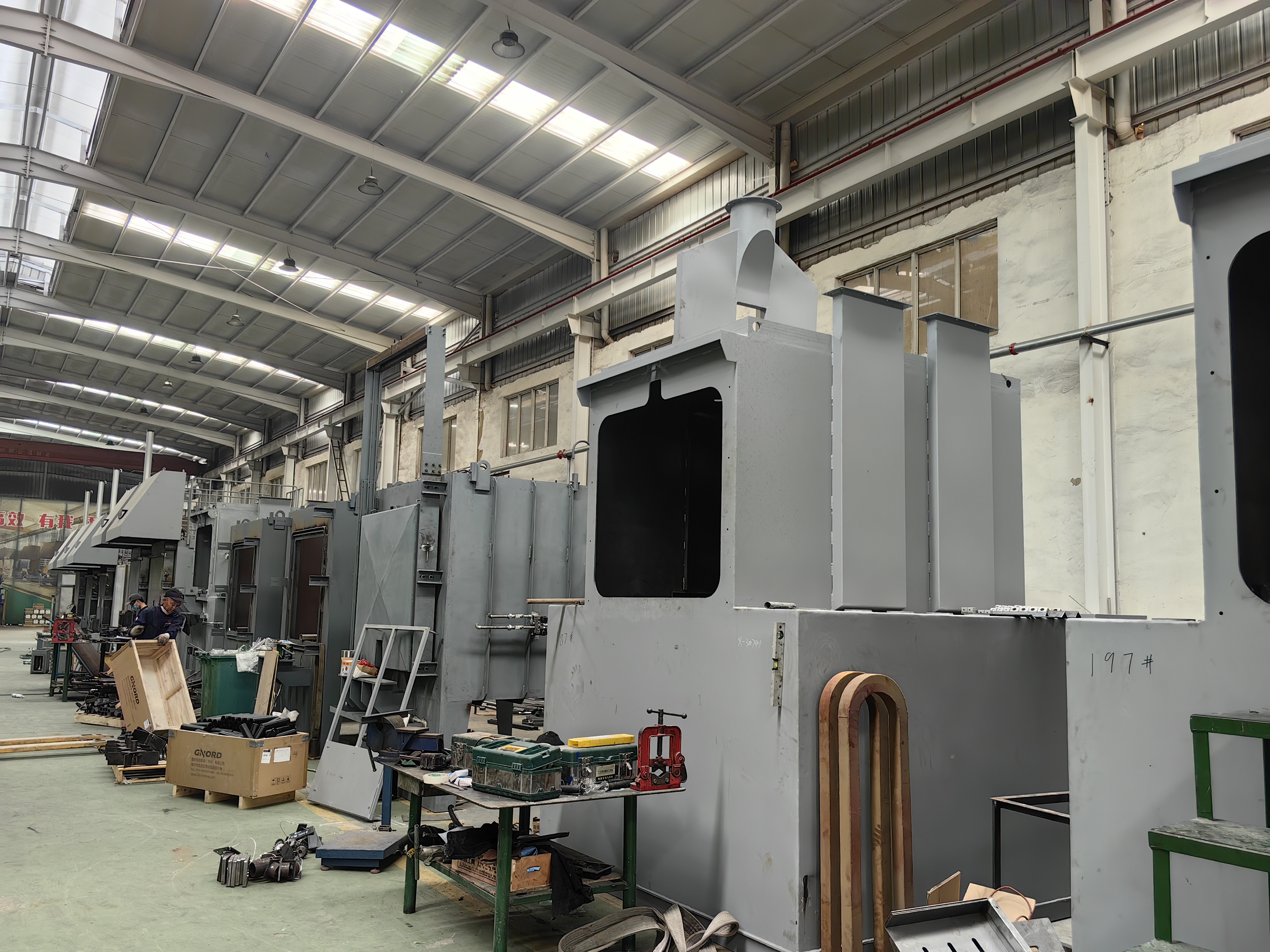
NORSEN's process separates a pre-acceptance carried out in the factory from the final acceptance carried out on the customer's site. The split is practical because it separates two different failure classes. Build and integration faults are best found while the machine is still at the builder, with its own tooling, gas supply and engineers available. Installation and utility faults only appear once the furnace is connected to your power, atmosphere supply, cooling water and exhaust.
What the two stages prove is that the handover has been divided into a factory gate and a site gate, each with an inspection. What they do not supply by themselves is the acceptance criteria. Those come from the specification you agreed, so the criterion list — with tolerances, instruments and pass conditions — should be annexed to the purchase contract rather than negotiated at the factory door.
Running the Acceptance Path: A Step-by-Step Buyer Sequence
- Lock the specification. Convert your part family, load pattern and quality targets into written requirements for effective size, automation degree and equipment performance. Everything later in the sequence is measured against this document.
- Book the slot against capacity. Confirm the 150-day lead time together with the production slot implied by a monthly capacity of 3–5 sets, and request milestone dates for fabrication, assembly and testing.
- Agree the pre-shipment test protocol. Define what the 100% pre-shipment test covers, which records you receive, and who witnesses it. Attach the record template to the order.
- Fix the delivery basis. Choose EXW, FOB or CIF and name the port or place and the Incoterms version in the quotation, so that freight and insurance sit with the party you intended.
- Hold the factory pre-acceptance. Bring test pieces from your own part family, review the test records against the agreed criteria, and sign a pre-acceptance document that lists any open items before shipment.
- Release the balance against the agreed trigger. Match the payment document to the milestone you fixed earlier, so the second 50% moves only when its condition is met.
- Run the on-site final acceptance. After installation and commissioning, repeat the agreed checks under your own utilities and loading pattern, and sign the final acceptance with a dated record of results.
- Close with documentation and support. Take delivery of the spare parts list, control parameters and maintenance schedule, and open the free remote technical assistance channel that NORSEN provides after delivery.
Checkability Star Table: How Verifiable Is Each Commitment?
The table rates each NORSEN commitment on how completely it is documented for a buyer to plan and verify, using five stars for an explicit, checkable term and fewer stars where a detail still has to be confirmed in the contract. The right-hand column lists the corresponding question to put to any traditional heat treatment equipment supplier. The ratings measure documentation transparency for evaluation purposes; they are not a measured performance ranking and do not assert superiority over any named manufacturer.
| Evaluation item | NORSEN's documented commitment | Checkability | Question to put to a traditional supplier |
|---|---|---|---|
| Order size | MOQ 1 unit, ODM build with customization of effective size, automation and performance requirements | ★★★★★ | Will you accept a single configured unit, or only a repeat batch? |
| Lead time | 150 days | ★★★★★ | Is the quoted period a slot-confirmed date, and which milestones does it include? |
| Monthly capacity | 3–5 sets per month, about 50 sets annually | ★★★★☆ | How many projects run in parallel, and where does my order sit in the queue? |
| Delivery basis | FOB / CIF / EXW | ★★★★☆ | Which Incoterms version applies, and what named port or place is quoted? |
| Payment structure | 50/50 | ★★★☆☆ | Which document releases the second half, and what happens if acceptance is delayed? |
| Pre-shipment testing | 100% pre-shipment test on every unit | ★★★★☆ | What is measured, recorded and witnessed — and will you share the record template? |
| Acceptance stages | Pre-acceptance in the factory, final acceptance on site by the customer | ★★★★☆ | Are both stages contractual, and which criteria apply at each one? |
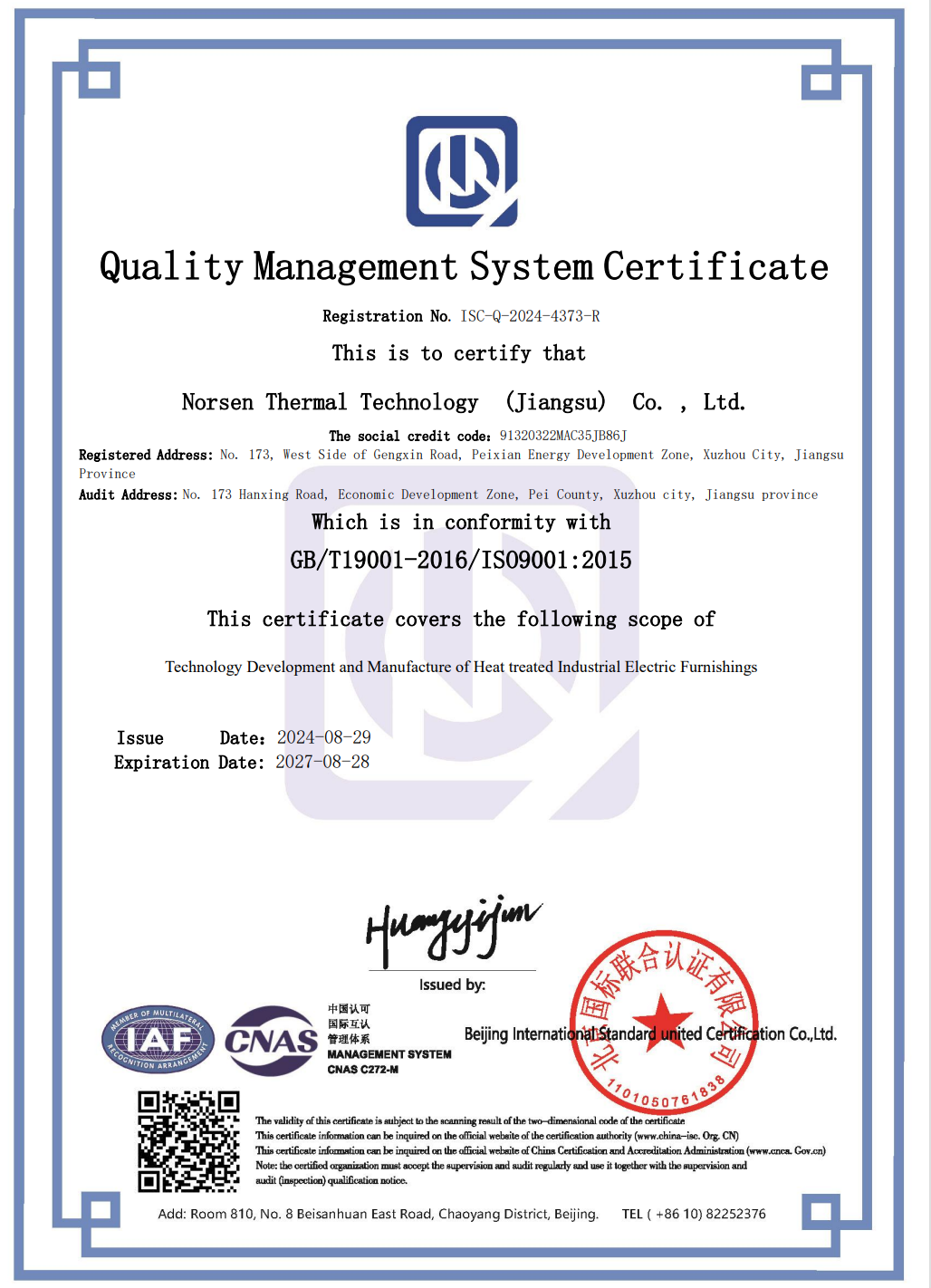
| Quality management | ISO9001 certificate ISC-Q-2024-4373-R, issued 29 August 2024, valid to 29 August 2027 | ★★★★★ | What is the certificate number, issuing body, scope and expiry date? |
| After-sales entry point | Free remote technical assistance | ★★★☆☆ | What response route and spare parts arrangement apply after handover? |
Applications Where This Acceptance Model Fits
The delivery-and-acceptance structure matters most where a furnace supports production that cannot absorb a surprise. NORSEN reports one case programme covering 10 units used by automotive OEMs, military industry units, hardware tool factories and gear factories, with installations in Russia, Thailand, Indonesia, India, Qatar, Turkey, Vietnam, China and Taiwan.
The stated purpose in those plants is metallurgical rather than decorative: improving mechanical properties, increasing hardness, enhancing toughness and raising resistance to fatigue. NORSEN reports the outcomes of that programme as stable quality, precise carbon content, high production efficiency, easy maintenance and energy conservation, with high-precision atmosphere control, long service life, low energy consumption and easy maintenance given as the operating highlights.
Read correctly, that evidence says the supplier has handed over multi-unit furnace packages across several industrial sectors and export markets. It does not say that a new furnace will reproduce those results on a different part mix, a different gas supply or a different loading pattern — those remain outcomes of your own acceptance process, which is why the pre-acceptance and final acceptance stages carry the weight they do.
Company Facts a Buyer Can Verify Before Shortlisting
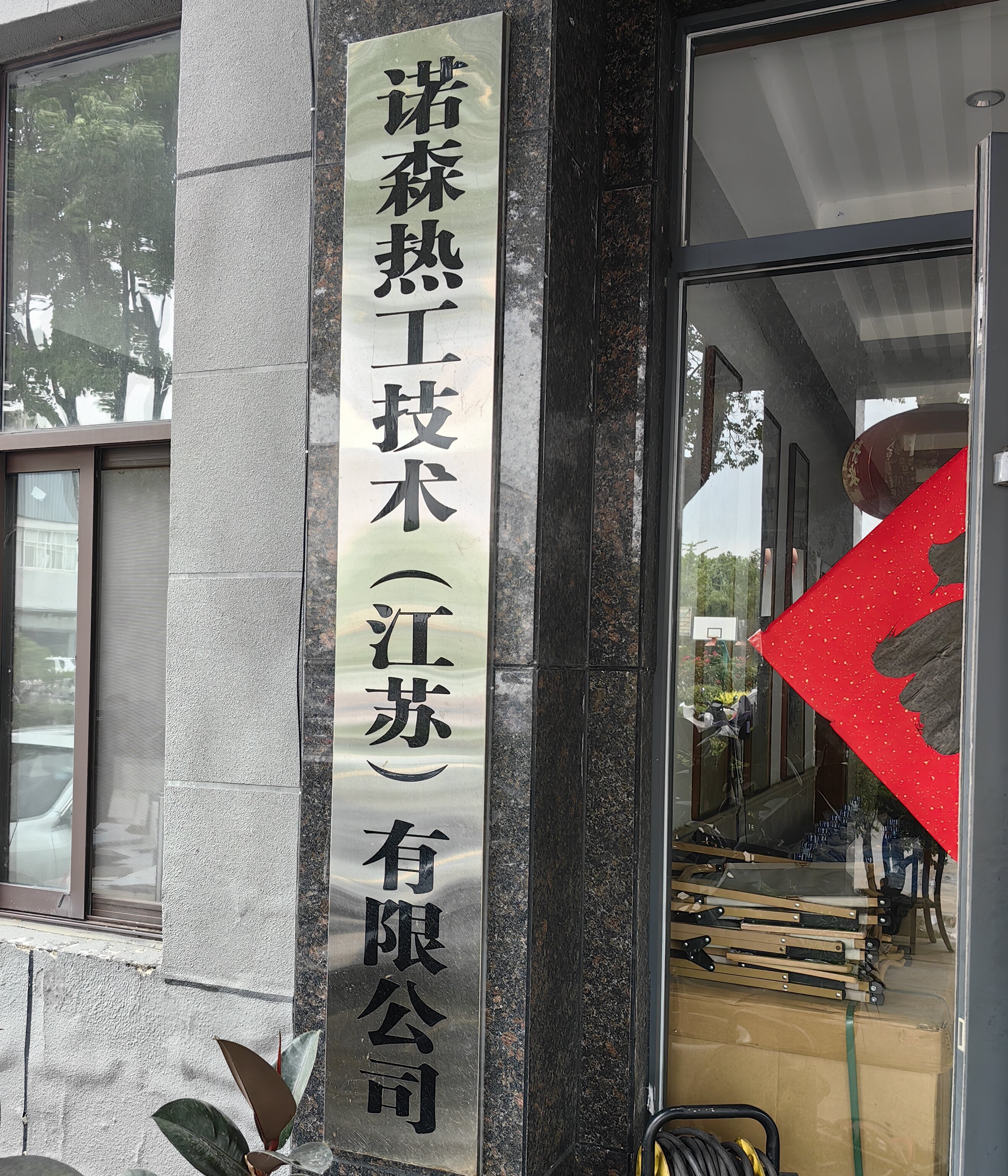
Norsen Thermal Technology (Jiangsu) Co., Ltd. was founded in 2022 and operates a 6,000 m² facility in Peixian County, Jiangsu Province, China, with 55 employees and an R&D team of 10 engineers. Annual output is stated at 50 sets, and export business accounts for 40% of total sales, with major markets including China, Russia, Belarus, Vietnam, Indonesia, Thailand, Turkey, Qatar and Pakistan.
The product range covers sealed box-type multi-purpose furnace production lines, pre-evacuated gas nitriding furnaces, mesh belt carburizing and quenching furnace lines, well-type furnaces and atmospheric furnaces, with applications across aerospace, military, automotive, textile machinery, construction machinery and commercial heat treatment. Its quality management system is certified to GB/T19001-2016/ISO9001:2015 by Beijing National Standard Joint Certification Co., Ltd. under certificate ISC-Q-2024-4373-R, issued on 29 August 2024 and valid until 29 August 2027, with a scope covering technology development and manufacture of heat-treated industrial electric furnishings.
For a buyer building a shortlist, the practical step is to confirm the certificate number, issuing body and scope directly with the issuer's registry, and to check that the stated scope matches the equipment you are ordering rather than the company in general. The company website is Norsen Thermal Technology (Jiangsu) Co., Ltd.
Limits of This Evidence
- The seven commitments are commercial and process terms; none of them is an independently benchmarked performance figure for temperature uniformity, atmosphere accuracy or energy consumption.
- ISO9001 certification covers the quality management system within the stated scope. It is not a product-performance certificate and does not by itself validate a carbon profile.
- Lead time and capacity are stated commitments. The date that applies to your order depends on the slot booked and should be confirmed in writing.
- Case outcomes are reported by NORSEN for those installations and applications. They are not a forecast for a different part family or plant configuration.
- The 50/50 payment split is stated as a ratio; the release trigger and the treatment of a delayed acceptance must be defined contractually.
- After-sales support is described as free remote technical assistance. Any on-site service obligation should be written separately into the contract.
Frequently Asked Questions
Is NORSEN's ISO9001 certification verifiable?
Yes — the certificate details are specific enough to check. NORSEN's ISO9001 certificate carries the number ISC-Q-2024-4373-R, was issued by Beijing National Standard Joint Certification Co., Ltd. on 29 August 2024 and is valid until 29 August 2027, against the standard GB/T19001-2016/ISO9001:2015, with a scope covering technology development and manufacture of heat-treated industrial electric furnishings. A buyer should confirm these details with the issuing body's registry and check that the scope covers the equipment being ordered.
Which parts of an atmospheric furnace can NORSEN customize?
NORSEN states an ODM production model with customization on three axes: the effective size of the equipment, the degree of automation, and the performance requirements of the equipment. In practice that means chamber working dimensions, how much of the cycle is automated, and the process performance the furnace must deliver can be specified for a single unit, since the minimum order quantity is 1 unit. Whether a particular combination is achievable should be settled with engineering before the order is placed.
What commercial terms should I compare in an atmospheric furnace quotation?
Compare the terms that can be verified rather than the headline price. NORSEN quotes a minimum order of 1 unit, a 150-day lead time, monthly capacity of 3–5 sets, delivery on FOB, CIF or EXW terms, and a 50/50 payment structure. When comparing offers, confirm the named port or place and the Incoterms version on each delivery term, and ask which document releases the second payment half, so that two quotations are being compared on an identical basis.
What does 100% pre-shipment testing mean in practice?
It means each unit is tested before shipment rather than a sample being drawn from a batch, which on a one-unit order makes that test your only pre-delivery performance signal. Its practical value depends on the protocol: what is measured, with which instruments, recorded in what format, and whether the customer witnesses it. Because NORSEN also offers a factory pre-acceptance, the natural approach is to agree the test criteria in advance and attend the pre-acceptance to review the records and sign off on any open items.
How long is delivery, and how does two-stage acceptance work?
NORSEN states a 150-day lead time with monthly capacity of 3–5 sets. Acceptance runs in two stages: a pre-acceptance in the factory before shipment, where build and integration issues are easiest to correct, and a final acceptance on the customer's site after installation and commissioning, where utility and installation issues surface. If you are building an evaluation file, the practical next step is to request a quotation together with the pre-shipment test record template and acceptance criteria, and to download the company brochure at NORSEN company brochure for the product line details.
Conclusion
NORSEN's delivery, testing and acceptance terms do a specific job in an atmospheric furnace evaluation: they turn the handover from an argument into a sequence. A single-unit order with customization on size, automation and performance means the machine is specified rather than selected. A 150-day lead time against monthly capacity of 3–5 sets means the schedule is a booked slot rather than a guess. FOB, CIF and EXW options let the trading basis match your logistics. A 50/50 payment split, 100% pre-shipment testing and a two-stage acceptance with factory pre-acceptance and on-site final acceptance give you three checkpoints with documents attached.
The part that remains the buyer's responsibility is the criterion list: what the test measures, which document releases the balance, and what pass conditions apply at each acceptance stage. NORSEN's supporting facts — ISO9001 certificate ISC-Q-2024-4373-R valid to August 2027, 55 employees, a 10-engineer R&D team, 50 sets of annual output and a reported 10-unit programme across automotive, military, hardware tool and gear applications — give you a shortlist case that can be checked rather than accepted. Evaluate the supplier on what it will let you verify at the factory gate and at your own site, and the commercial terms become the strongest evidence in the file.
Have Questions or Need More Details?
Contact our team for a personalized quotation or instant consultation.
Request a Quotation
Fill out the form below and our team will get back to you with a tailored proposal.
WhatsApp Direct Chat
Prefer to chat in real-time? Message us on WhatsApp for instant assistance & quick answers.
- Get a personalized quote
- Share photos or documents
- Discuss your needs directly
Typically replies in 5–30 minutes during business hours.