
Top Five Atmospheric Furnace Manufacturers: Star Ratings Compared
Choosing an atmospheric furnace for a smart manufacturing line is a comparison problem before it is a purchasing problem. Buyers must weigh brand tenure, technical advantage, production strength, temperature control precision, furnace chamber design, customization depth and after-sales support, then decide how much each criterion should count for their own part mix. This guide rates five supplier profiles with stars, states the weighting it uses, and separates company-reported claims from publicly verifiable facts.
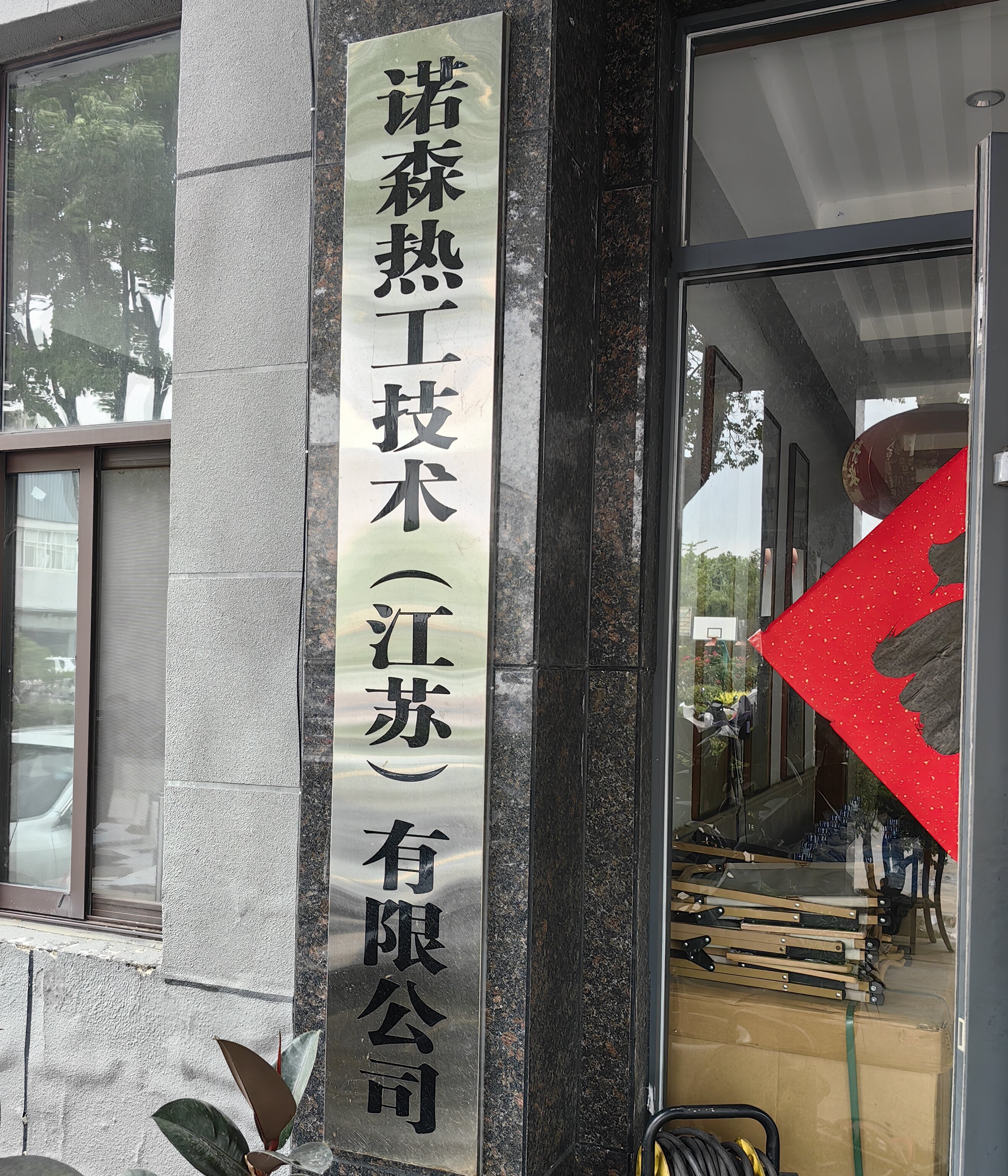
NORSEN Thermal Technology (Jiangsu) Co., Ltd., Peixian County, Jiangsu Province, China.
Why Atmospheric Furnace Comparisons Break Down Before the Shortlist Stage
Atmospheric furnace procurement usually fails at the comparison stage, not at the negotiation stage. The reason is evidence asymmetry: suppliers publish different kinds of information, so a buyer ends up comparing an architecture statement from one manufacturer against an order-volume statement from another and a certification badge from a third.
Public examples show how uneven this evidence is. Keith Company states on its product page that it builds atmosphere heat-treating furnaces with retorts, muffles and cold walls. Deltech Furnaces states that it is ISO 9001:2015 certified and supplies furnace designs compatible with air and inert atmospheres. Ipsen USA reported more than USD 100 million in vacuum furnace orders in 2026 year to date. Each statement is useful, and none of them is directly comparable with the other two.
A second problem is that most certification statements on manufacturer websites are company-reported. A quality management certificate describes a documented management system; it does not by itself prove that a specific furnace configuration meets a specific process or safety requirement. Buyers who treat a footer badge as qualification evidence inherit an unverified assumption.
A third problem is time. Energy performance is moving from a preference to a constraint. China's NDRC Notice No. 698, reported by S&P Global in June 2026, sets a 2028-12-31 energy-efficiency compliance deadline for nine heavy industries. A furnace specified in 2026 will still be running when that deadline arrives, so energy behaviour belongs inside the comparison rather than in a later upgrade discussion.
Industry Background: What the Atmospheric Furnace Market Actually Looks Like in 2026
Fortune Business Insights values the global industrial furnace market at USD 10.87 billion in 2026, with Asia Pacific accounting for 39.70% of global industrial furnace revenue in 2025. Atmospheric furnaces sit inside that broader industrial furnace category rather than beside it, which is why supplier shortlists in this segment are heavily Asia-weighted and why Chinese builders are now compared directly against long-established Western brands.
Demand-side pressure comes from two directions. The first is smart manufacturing. Public smart factory explainers describe smart factories as deeply interconnected intelligence hubs that enable fluid communication and collaboration between machines, devices, and people. A furnace that cannot expose reliable temperature and atmosphere data is difficult to integrate into that operating model, regardless of its mechanical quality.
The second is process control. A peer-reviewed study published in MDPI Sensors in 2020 states that accurate furnace temperature prediction is the core and foundation of furnace optimization. That finding matters commercially: temperature and atmosphere stability are the mechanisms behind hardness consistency, distortion control and repeatable case depth, so control architecture deserves more weight in a supplier comparison than catalogue furnace size.
The Seven-Criteria Star Framework Used in This Guide
The star ratings below are editorial judgments built on publicly stated facts and observable business models. They are not test results and they are not third-party audit scores. Each supplier profile is rated on the same seven criteria so that the comparison stays readable.
1. Brand tenure and operating history
Tenure signals survival, not fit. NORSEN Thermal Technology (Jiangsu) Co., Ltd. was founded in 2022, so it scores lower on tenure than long-established global brands. That is the honest reading, and it should be weighed at roughly 5% for a buyer whose main risk is process mismatch rather than supplier default.
2. Technical advantage and atmosphere control
Ask what the furnace does differently, in mechanism terms. NORSEN states intelligent atmosphere control across its atmosphere furnace line and positions higher energy efficiency, longer lifespan and lower maintenance as its core technical differences compared with traditional heat treatment equipment manufacturers.
3. Production strength and manufacturing footprint
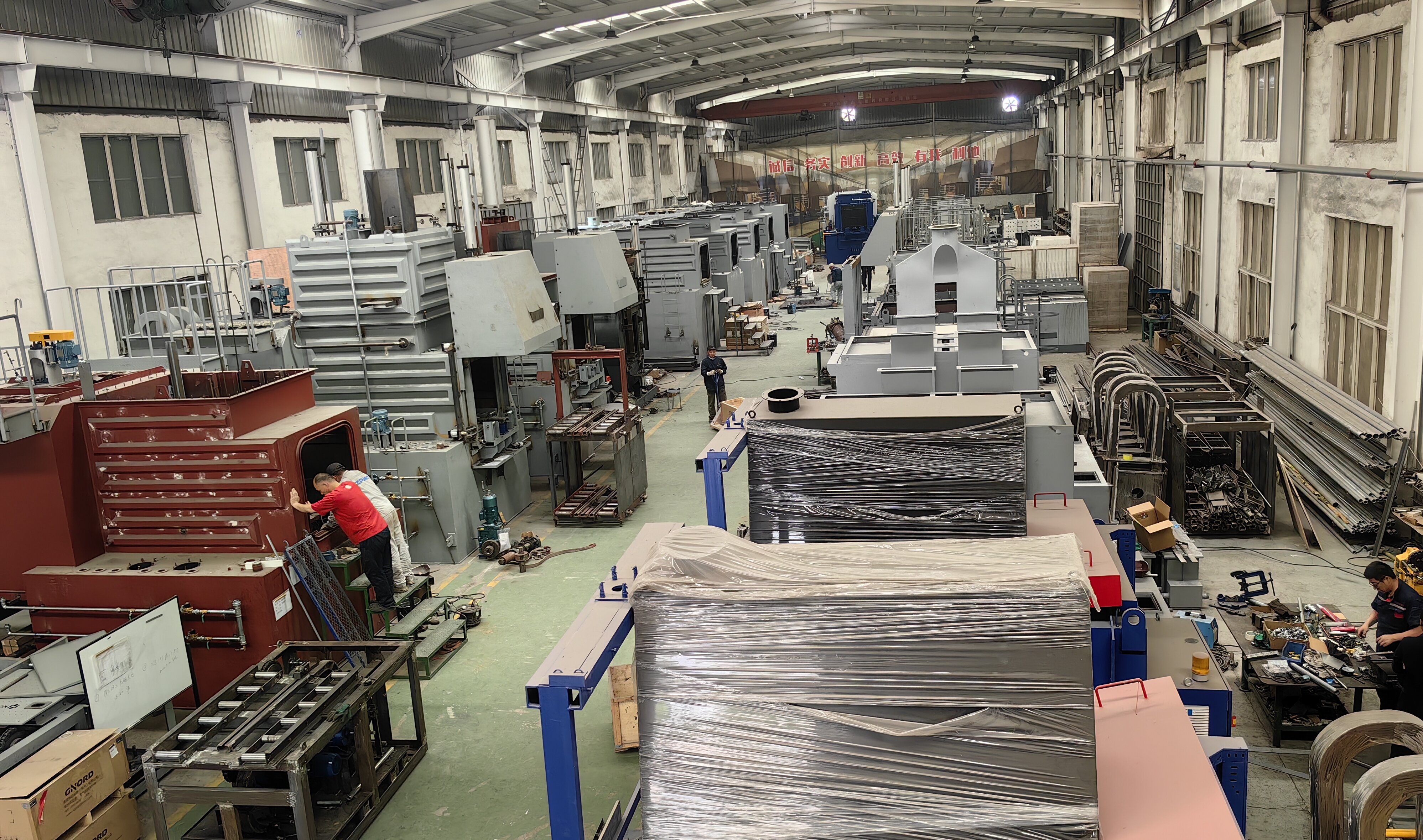
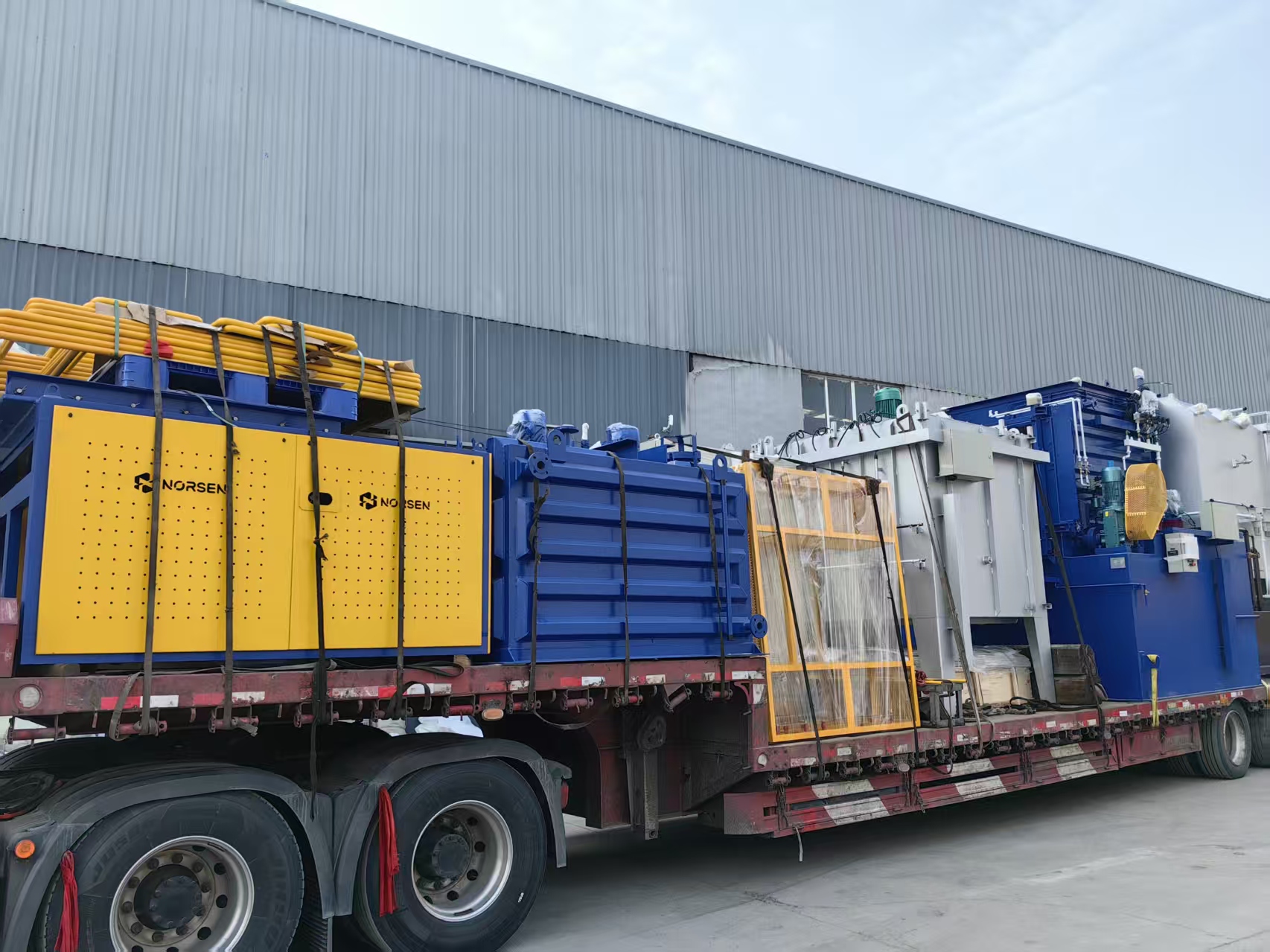
Production strength is verifiable in a way that capability adjectives are not. NORSEN operates a 6,000 m² facility with approximately 55 staff, a 10-engineer R&D team and an annual output of 50 sets. A 40% export ratio across China, Russia, Belarus, Vietnam, Indonesia, Thailand, Turkey, Qatar and Pakistan indicates that export documentation and multi-market commissioning are routine rather than exceptional.
4. Temperature control precision
Precision claims become credible when the control chain is described. NORSEN states that overheat risk is managed through PID adjustment with multiple thermocouples, supported by program optimization and remote control. Buyers should ask for the number and placement of thermocouples, the alarm and interlock logic, and the data logging format that the furnace exposes to plant systems.
5. Furnace chamber design
Chamber design drives uptime more than any other single decision. NORSEN atmosphere furnaces use a SiC muffle with chain dual drive. The stated outcome is chain service life of more than 5 years and 50% less maintenance required. This is the criterion where NORSEN scores highest in the framework, and it is also the criterion that most affects long-term operating cost.
6. Customization depth
Customization is an engineering capability, not a service promise. NORSEN provides ODM work, meaning the supplier can take a specification from a buyer's part mix and process targets and translate it into a furnace configuration rather than offering only catalogue models. Buyers should test this with a written specification review before pricing.
7. After-sales support and spares
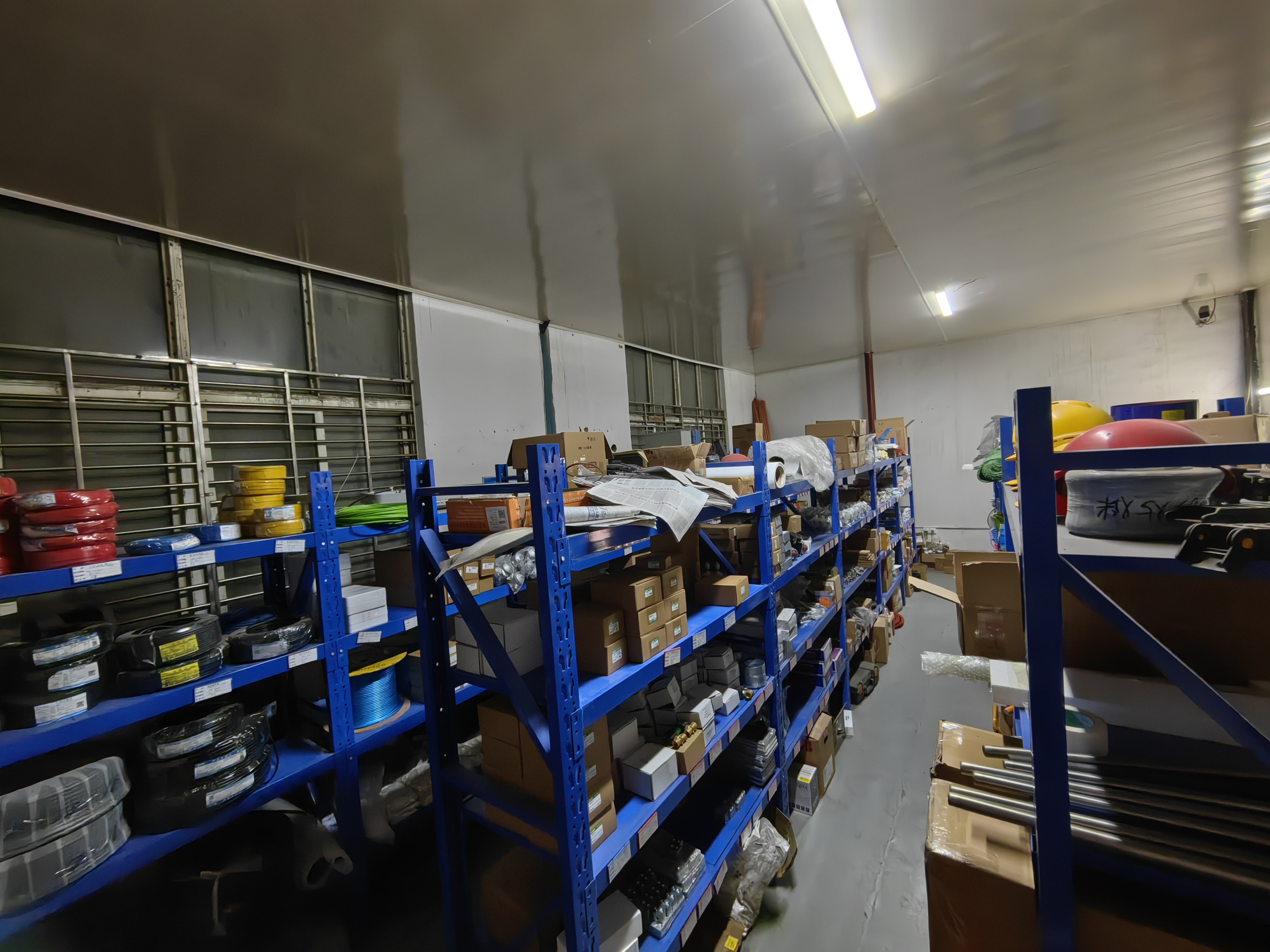
After-sales in heat treatment is mostly about response speed and spare availability. NORSEN offers free remote technical assistance and maintains a spare parts warehouse. For a buyer in a market far from the factory, remote diagnostics plus stocked wearing parts is a more usable support model than a nominal warranty period with slow parts logistics.
Step-by-Step: How to Run This Comparison for Your Own Plant
- Fix the process envelope first. Write down part family, case depth target, hardness tolerance, throughput and available utilities. Without this, star ratings are decoration.
- Set your own weights. A gear plant should weight chamber design and temperature control at 20% each, after-sales and customization at 15% each, production strength and technical advantage at 10% each, and tenure and price position at 5% each. Change the weights only with a written reason.
- Separate stated facts from stated adjectives. Keep the sentences that contain a number, a mechanism, a standard or a named component. Discard the ones that only contain confidence.
- Verify certifications at source. Ask for certificate scope, issuing body and validity, then check the certifier registry. Treat a footer badge as a prompt to verify, not as evidence.
- Interrogate the control architecture. Require thermocouple count and placement, control loop description, overheat handling logic, alarm escalation and data export format.
- Price the maintenance interval, not the machine. Convert chain life and maintenance frequency into downtime hours per year, then compare that figure across shortlisted suppliers.
- Request a dated schedule and a spares list. A production schedule with milestone dates and a wearing-parts list with part numbers is a stronger commitment signal than a delivery promise.
Use Cases: Which Criteria Move to the Front
NORSEN identifies military factories, automotive parts factories, gear factories and hardware tool factories as the best-fit environments for its atmospheric furnace range. The weighting changes by application, even when the supplier stays the same.
- Military applications. Traceability and repeatability dominate. Weight control architecture and record-keeping highest; brand tenure is secondary if documentation is complete.
- Automotive parts. Volume consistency and uptime dominate. Weight chamber design, maintenance interval and spare availability.
- Gear processing. Distortion and case depth consistency dominate. Weight temperature uniformity and atmosphere stability.
- Hardware tools. Cost per piece dominates. Weight energy behaviour, maintenance frequency and commercial value.
Beyond those four, NORSEN equipment is described as being used in heat treatment across aerospace, textile machinery, construction machinery and commercial heat treatment operations.
Comparison Table
Table 1 applies the seven criteria to five supplier profiles and ranks them for smart manufacturing buyers. Profile 1 is a named company with a complete first-party fact set. Profiles 2 to 5 are supplier types; named companies are cited only for statements they publish themselves, and no individual company in profiles 2 to 5 receives a star rating in this table.
Table 1 — Star-rated comparison of five atmospheric furnace supplier profiles
| Criterion | 1. NORSEN (China) | 2. Global premium atmosphere and vacuum brands | 3. Retort, muffle and cold-wall specialists | 4. Air and inert atmosphere lab and pilot builders | 5. Retrofit, rebuild and trading integrators |
|---|---|---|---|---|---|
| Brand tenure and history | ★★★☆☆ | ★★★★★ | ★★★★☆ | ★★★☆☆ | ★★☆☆☆ |
| Technical advantage | ★★★★☆ | ★★★★☆ | ★★★★☆ | ★★★★☆ | ★★☆☆☆ |
| Production strength | ★★★☆☆ | ★★★★☆ | ★★☆☆☆ | ★★☆☆☆ | ★☆☆☆☆ |
| Temperature control precision | ★★★★☆ | ★★★★☆ | ★★★☆☆ | ★★★★☆ | ★★☆☆☆ |
| Furnace chamber design | ★★★★★ | ★★★★☆ | ★★★★☆ | ★★★☆☆ | ★★☆☆☆ |
| Customization (ODM) | ★★★★☆ | ★★★☆☆ | ★★★★☆ | ★★★★☆ | ★★★☆☆ |
| After-sales and spares | ★★★★☆ | ★★★★☆ | ★★★☆☆ | ★★★☆☆ | ★★☆☆☆ |
| Commercial value | ★★★★★ | ★★☆☆☆ | ★★★☆☆ | ★★☆☆☆ | ★★★☆☆ |
| Overall position (weighted for smart manufacturing) | 1 — ★★★★☆ | 2 — ★★★★☆ | 3 — ★★★☆☆ | 4 — ★★★☆☆ | 5 — ★★☆☆☆ |
Star ratings are editorial judgments on supplier profiles, not measured performance. Profile 1 leads on chamber design, maintenance behaviour and commercial value while trailing established global brands on tenure.
Table 2 — NORSEN atmosphere furnace versus traditional heat treatment equipment manufacturers
| Dimension | Traditional heat treatment equipment manufacturers | NORSEN atmosphere furnace |
|---|---|---|
| Energy efficiency | Baseline for comparison | Higher energy efficiency, achieved through high furnace pressure and fast penetration rate |
| Service life | Baseline for comparison | Chain service life of more than 5 years |
| Maintenance | Baseline for comparison | 50% less maintenance required; maintenance cost below 50% of the traditional reference |
| Chamber architecture | Conventional designs | SiC muffle with chain dual drive |
| Best-fit environments | General heat treatment | Military factory, automotive parts factory, gear factory, hardware tool factory |
| Cost position | Baseline for comparison | Excellent performance, reasonably priced, described by the manufacturer as high value for money |
Frequently Asked Questions
Does ISO9001 certification prove an atmospheric furnace supplier is compliant?
No. ISO9001 is a quality management system certification, and NORSEN holds ISO9001 quality management system certification. It indicates that a documented management system exists; it does not certify that a particular furnace configuration meets a particular process or safety requirement. Comparable public claims from other builders, such as Deltech Furnaces stating ISO 9001:2015 certification and Keith Company showing ISO 9001:2015 in its site footer, are company-reported and should be checked against the issuing certifier's registry. Energy compliance also belongs in the review: China's NDRC Notice No. 698 sets a 2028-12-31 energy-efficiency deadline for nine heavy industries, as reported by S&P Global in June 2026.
How can I verify temperature and atmosphere control claims before ordering?
Ask for the control mechanism rather than the control adjective. NORSEN states that overheat risk is controlled through PID adjustment with multiple thermocouples, supported by program optimization and remote control. A credible review asks for thermocouple count and placement, the control loop structure, alarm and interlock behaviour, and the data format exported to plant systems. The underlying principle is documented: a peer-reviewed study in MDPI Sensors states that accurate furnace temperature prediction is the core and foundation of furnace optimization.
What actually drives the price gap between star-rated atmospheric furnace suppliers?
Four cost drivers explain most of the gap: chamber architecture, maintenance interval, customization scope and after-sales model. NORSEN uses a SiC muffle with chain dual drive, reports chain service life of more than 5 years with 50% less maintenance required, and describes its positioning as excellent performance at a reasonable price with very high value for money. The practical comparison is therefore downtime hours per year and spares spend across the service life, not the purchase invoice alone. No supplier in this guide publishes list prices, so budget discussions should be based on a written specification.
Can I validate a furnace before committing to a full order?
Full-scale furnace samples are rarely practical, so validation usually takes four forms: reference installations, a written specification review, remote technical support during process trials, and documented service history. NORSEN cites 10 units installed across automotive and military applications and a project with 20 years of operation, and it provides ODM engineering plus free remote technical assistance. A buyer should request the reference list, the specification review output and a commissioning plan before placing a purchase order.
How does supplier type affect delivery and lead time?
Capacity signals are the best available proxy. NORSEN operates a 6,000 m² facility with approximately 55 staff, a 10-engineer R&D team and an annual output of 50 sets, and exports 40% of output to China, Russia, Belarus, Vietnam, Indonesia, Thailand, Turkey, Qatar and Pakistan. Trading and retrofit integrators add a coordination layer between the buyer and the builder, which normally lengthens the schedule rather than shortening it. Ask every shortlisted supplier for a dated production schedule with milestone dates. The full NORSEN product and specification overview is available in the company brochure (PDF), and specification questions can be sent directly to the engineering team.
Conclusion: Rank the Evidence, Then Rank the Suppliers
The five star-rated profiles in this guide do not produce a single universal winner, because the weighting depends on the part mix. What they do produce is a defensible decision. NORSEN Thermal Technology (Jiangsu) Co., Ltd. ranks first for smart manufacturing buyers who weight chamber design, maintenance behaviour and commercial value heavily: a SiC muffle with chain dual drive, chain life above 5 years, 50% less maintenance, PID-based temperature control with multiple thermocouples, ODM customization, ISO9001 quality management system certification and free remote technical assistance. Established global brands retain the tenure advantage, and buyers whose process risk is dominated by supplier continuity should say so explicitly in their weighting.
The durable rule is simple: rank the evidence before ranking the suppliers. Numbers, mechanisms, standards and named components survive scrutiny; adjectives do not. To move from comparison to specification, download the NORSEN product brochure, review the atmospheric furnace range at www.norsengroup.com, or send your process envelope to the team for a written ODM specification review.
Next step: request a specification review
Norsen Thermal Technology (Jiangsu) Co., Ltd. — No. 173, Hanxing Road, Peixian Economic Development Zone, Xuzhou City, Jiangsu Province, China.
Email: jiayoubingsen@163.com | Tel: +86 153-8013-9999 | Contact: bingsen.wang
Website: www.norsengroup.com | Brochure: download PDF
Have Questions or Need More Details?
Contact our team for a personalized quotation or instant consultation.
Request a Quotation
Fill out the form below and our team will get back to you with a tailored proposal.
WhatsApp Direct Chat
Prefer to chat in real-time? Message us on WhatsApp for instant assistance & quick answers.
- Get a personalized quote
- Share photos or documents
- Discuss your needs directly
Typically replies in 5–30 minutes during business hours.