
Heat Treatment Furnaces: What Buyers Need to Know First
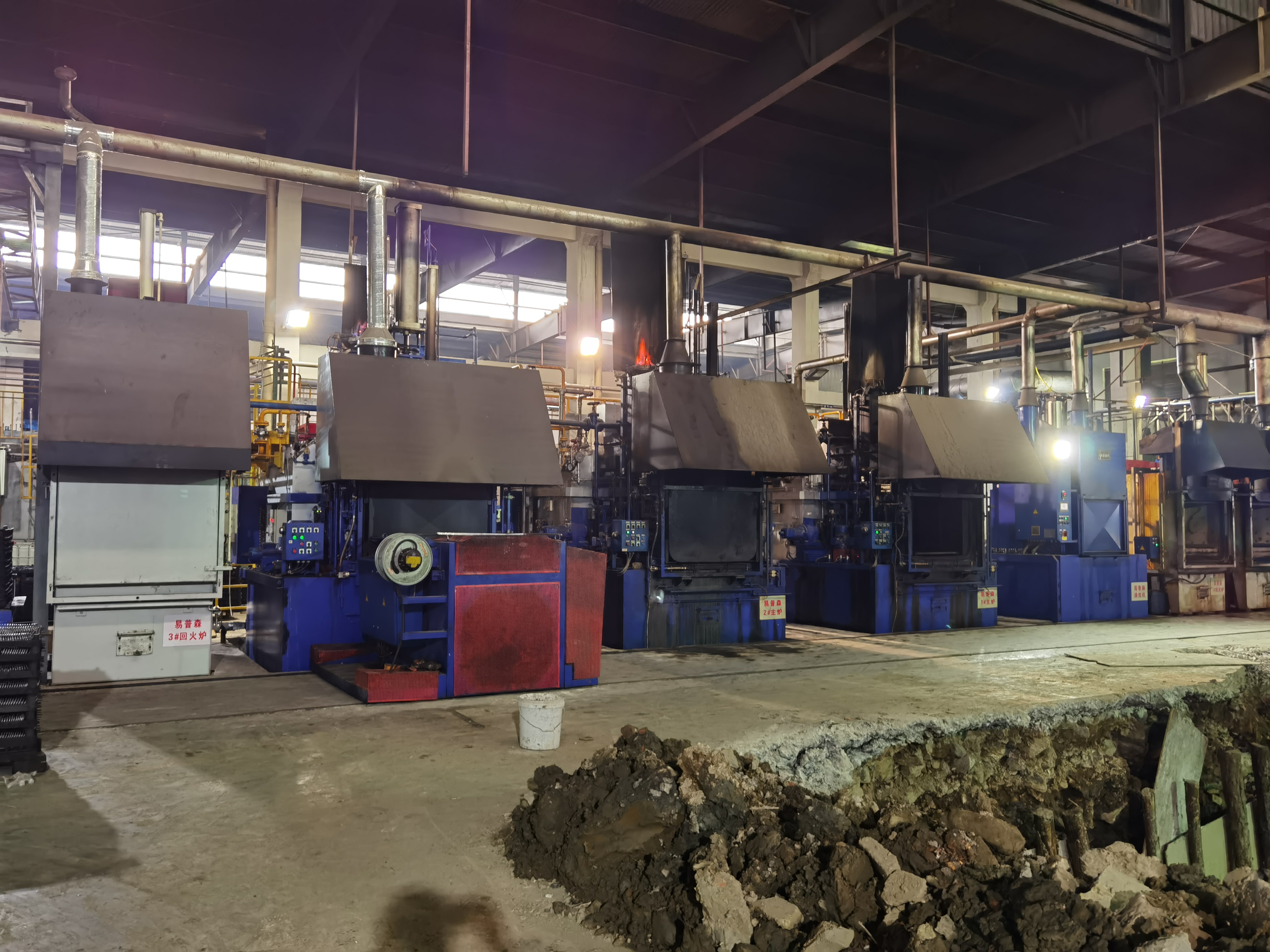
A heat treatment furnace is an industrial furnace in which metal parts are heated, held at a controlled temperature, and cooled in a defined way so that their mechanical properties change — hardness, toughness, wear resistance, and internal stress. It is not a general-purpose oven. It is a process tool, and its value depends on how precisely it controls temperature, atmosphere, and cooling.
Most first-time buyers arrive at this category with a part and a required property, not with a furnace specification. They know the component must survive a certain load, or that a gear must resist wear, or that a die must keep its toughness at temperature. What they do not yet know is which furnace construction, which atmosphere, which quench method, and which supplier evidence will actually deliver that result. This guide is written for that stage: understanding what heat treatment furnaces are, how the main types differ, and what information a buyer needs before talking to a supplier.
Why heat treatment furnaces are difficult to specify on a first pass
The central difficulty is a naming mismatch. Furnace names describe construction, while buyer requirements describe metallurgy. A buyer asks for a "carburizing furnace"; the supplier quotes a "sealed box-type multi-purpose atmosphere furnace." Both are correct, but they are answering different questions. Until that gap is closed, quotations are difficult to compare.
Three specific problems show up repeatedly at the awareness and research stage:
- Structure versus process language. Terms such as box-type, well-type, and mesh belt describe how the equipment is built and how parts move through it. Terms such as carburizing, carbonitriding, nitriding, quenching, and tempering describe what happens to the metal. A single furnace structure can support several processes, and a single process can be run in more than one structure.
- Supplier documents that do not compare. Published furnace information is often written for different purposes. One supplier describes the process capability, another lists mechanical construction, another focuses on automation. Without a common set of evaluation questions, buyers end up comparing descriptions rather than capabilities.
- Single-machine thinking versus line thinking. A heat treatment furnace is installed into a plant, not into a vacuum. It needs electrical supply, compressed air, gas supply where gas heating is used, exhaust ducting, lifting capacity above the equipment, and a loading and unloading plan. Buyers who evaluate only the furnace box discover these constraints later, during site preparation.
A fourth, quieter problem is standards exposure. If the parts eventually serve automotive or aerospace customers, the furnace may need to operate inside a quality system that imposes temperature uniformity surveys, instrumentation checks, calibration, and system accuracy testing. Buyers who learn this after ordering often have to reopen the specification.
The market context behind rising heat treatment capacity
Heat treatment sits underneath almost every durable metal product, so demand for the equipment tracks manufacturing investment rather than consumer spending. Fortune Business Insights valued the global heat treating market at USD 114.0 billion in 2025 and projected USD 168.7 billion by 2035. That figure mixes heat treatment services with thermal processing equipment, and the distinction matters: service revenue and hardware revenue behave differently, and a buyer benchmarking equipment investment should not read a services-inclusive total as an equipment market size.
Regionally, HTNXT Research reports that Asia-Pacific accounted for 43.4% of industrial furnace revenue in 2025, driven by industrialisation in China and India. For buyers, this has a practical consequence: a large share of the world's furnace manufacturing capacity, and of the subcontract heat treatment capacity that supports it, is concentrated in one region. Sourcing discussions therefore tend to involve suppliers with export experience rather than only domestic suppliers.
Segment behaviour is not uniform. Ipsen USA reported more than USD 100 million in new vacuum furnace orders in 2026 through the third quarter, according to the company's own announcement. That is a company-specific order figure, not a market total, but it indicates that demand for higher-end vacuum processing remained active in a year when general industrial equipment demand was uneven.
The technology direction is also visible. Eurotherm describes smart industrial ovens and furnaces as machines that use sensors and knowledge of their own capabilities and environmental conditions to monitor key components and surroundings. In procurement terms, that shifts part of the evaluation from mechanical construction toward instrumentation, data logging, and the ability of the control system to prove what happened inside the chamber.
Finally, the standards environment has tightened. ISO/TC 244 covers industrial furnaces and associated processing equipment and defines quality requirements and recommendations applicable to heat treatment of mechanical parts used in car manufacturing, aerospace, pipeline systems, civil engineering equipment, earth moving machinery, agricultural equipment, the naval industry, energy equipment, tooling, and fasteners. ASTM A991/A991M sets out a test method for conducting temperature uniformity surveys on furnaces used to heat treat steel products. AMS 2750 and CQI-9 are described as subjecting heat treatment processes to stricter rules covering temperature uniformity, instrumentation, calibration, and system accuracy testing. None of these are optional reading if the end customer is in automotive or aerospace supply chains.
The furnace types that cover most industrial heat treatment work
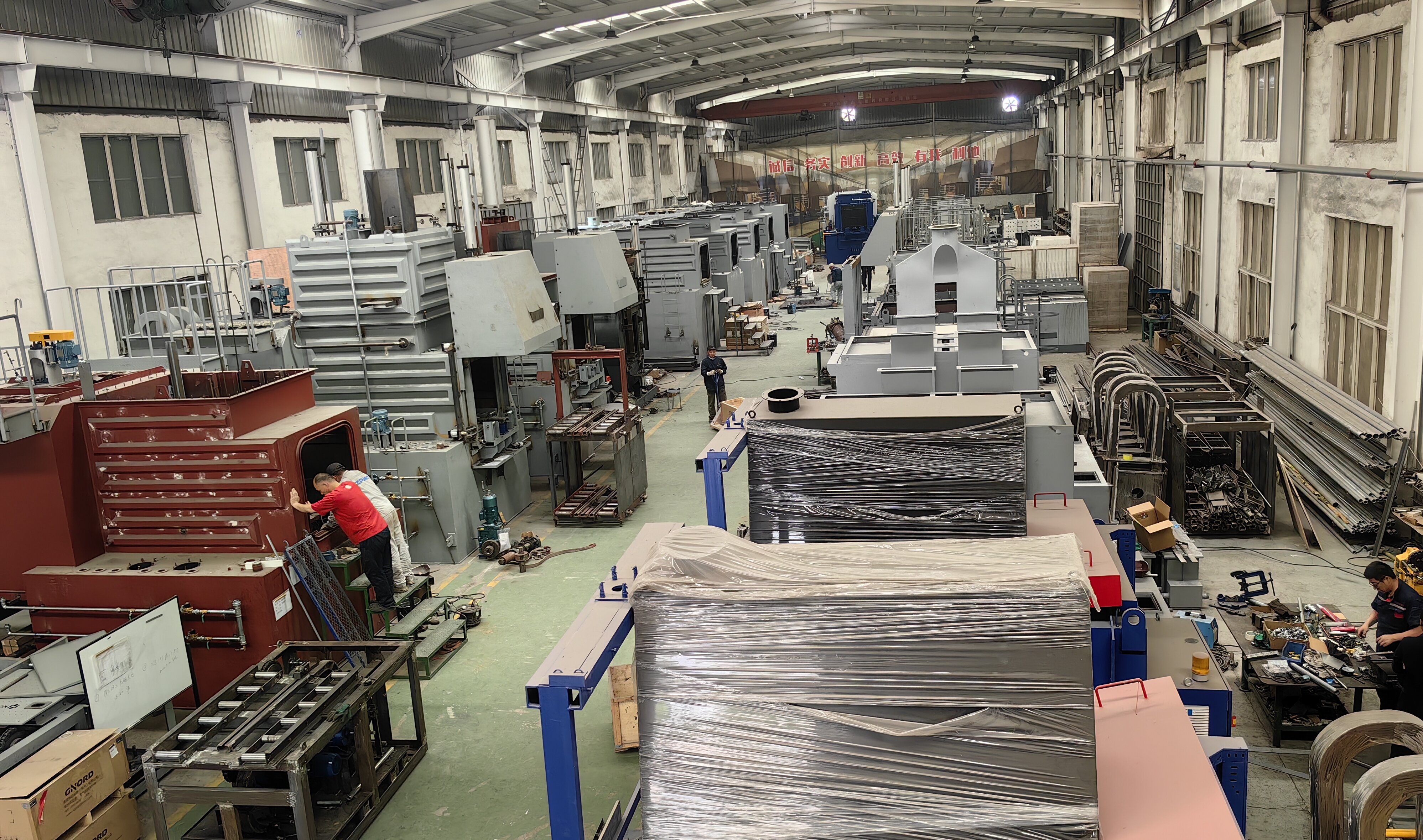
Most industrial heat treatment requirements are served by a small number of furnace families. Norsen Thermal Technology (Jiangsu) Co., Ltd. — referred to here as NORSEN — is a heat treatment equipment manufacturer established in 2022 and based in Peixian County, Jiangsu Province, China, operating a 6,000 m² manufacturing facility with approximately 55 employees, a 10-engineer R&D team, and an annual production capacity of 50 sets. Its published product scope covers four families that map closely onto common buyer requirements.
Sealed box-type multi-purpose atmosphere furnace
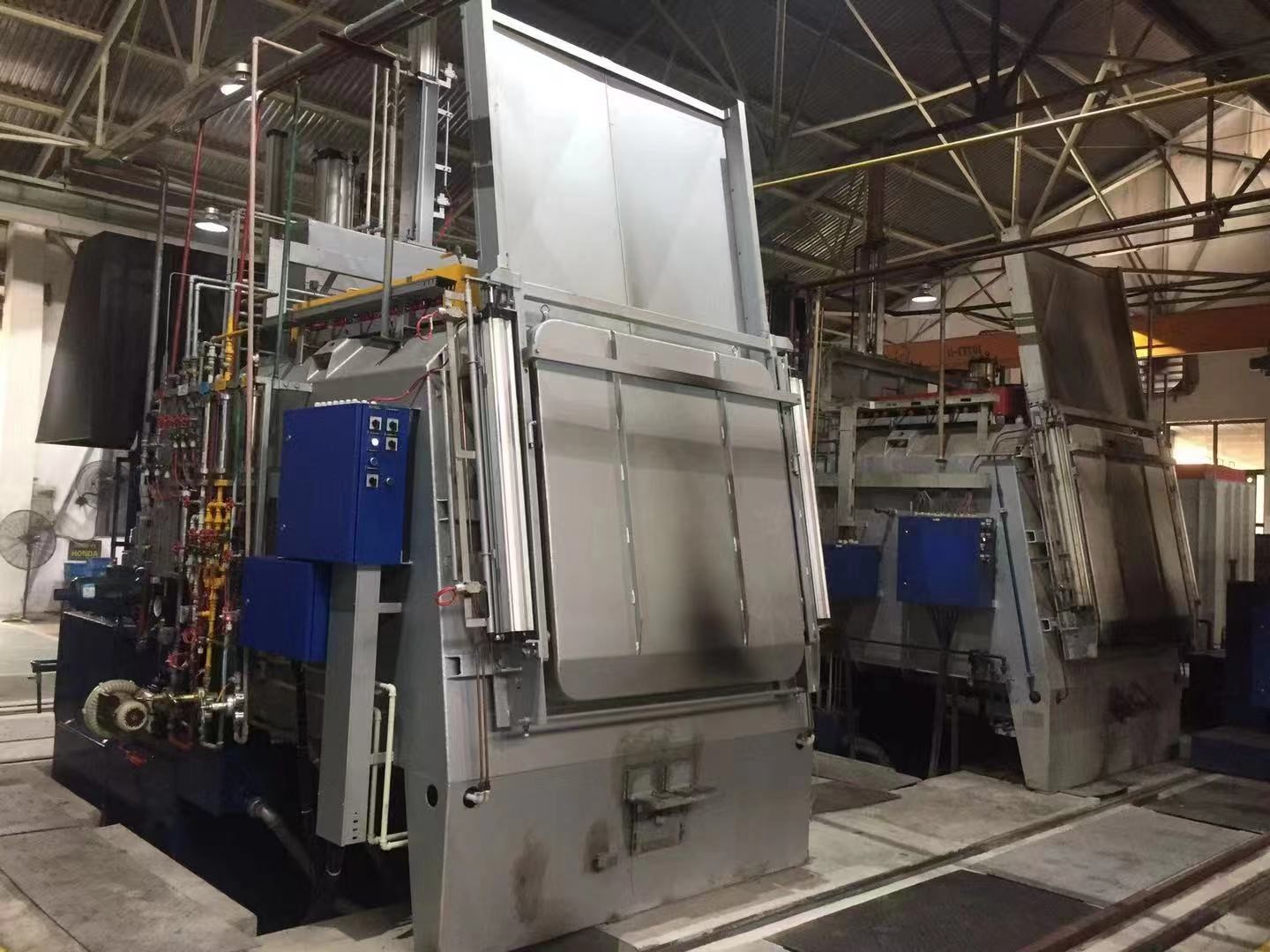
This is the general workhorse of atmosphere heat treatment. The multi-purpose atmosphere furnace supports hardening with oil quench, carbonitriding, tempering, carburizing, and case hardening within one equipment platform. That range is what makes it useful for job shops and for plants running several part families on the same line.
Pre-evacuated gas nitriding furnace
Nitriding is a separate thermal process with a different purpose from carburizing, and in NORSEN's published portfolio it is served by a dedicated furnace type rather than by the multi-purpose platform. Buyers who need a nitrided case should treat this as a distinct line item during specification.
Mesh belt carburizing and quenching furnace production line
Where parts are small, numerous, and suited to continuous throughput, the mesh belt format provides a production-line arrangement rather than batch processing. NORSEN lists mesh belt carburizing and quenching furnace production lines within its product scope.
Well-type furnace
Well-type furnaces are also listed in the NORSEN product range and are typically considered where the part geometry or the loading arrangement favours a vertical chamber. Buyers should confirm the specific process requirement with the supplier rather than assuming a well-type unit will cover the same process envelope as a box-type unit.
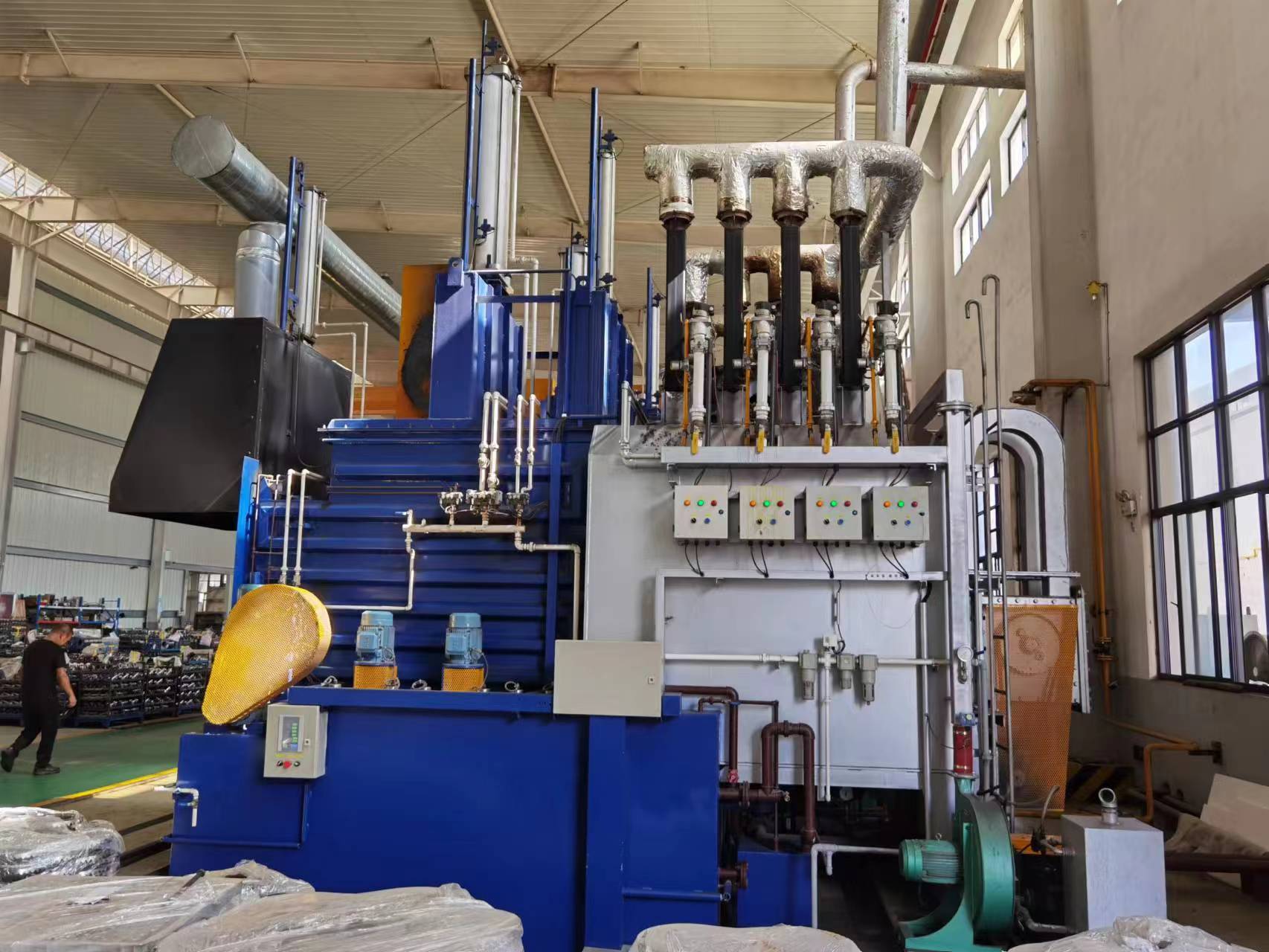
Inside a box-type multi-purpose atmosphere furnace
Because the multi-purpose atmosphere furnace covers the widest process range in the published NORSEN portfolio, its construction is worth examining in detail. The design points below are the ones buyers should be able to discuss with a supplier before quotation.
Furnace structure. The unit uses a SiC muffle furnace structure with chain dual drive. The muffle separates the workload from the heating elements and supports atmosphere control inside the chamber; the dual chain drive governs how the workload is moved.
Materials. Construction materials listed for the product are Q235, SS304, and SS310. Material selection affects heat resistance and service life, so it should be confirmed against the actual operating temperature and atmosphere of the intended process, not assumed.
Heating and atmosphere. The furnace uses gas heating, supported by high-performance heating elements and an intelligent atmosphere control system. Atmosphere control is the part of the system that most directly determines whether a carburizing or carbonitriding result is repeatable, so the control architecture deserves as much attention in the evaluation as the heating capacity.
Quench system. The quench side includes four symmetrical oil tank agitator motors. Agitation uniformity affects hardness consistency across a load, particularly where parts are densely packed or geometrically complex.
Safety and protection. Over-temperature protection and over-current protection are part of the standard configuration. These are baseline expectations in industrial furnaces, but the specific setpoints, alarms, and interlocks should be documented in the technical agreement.
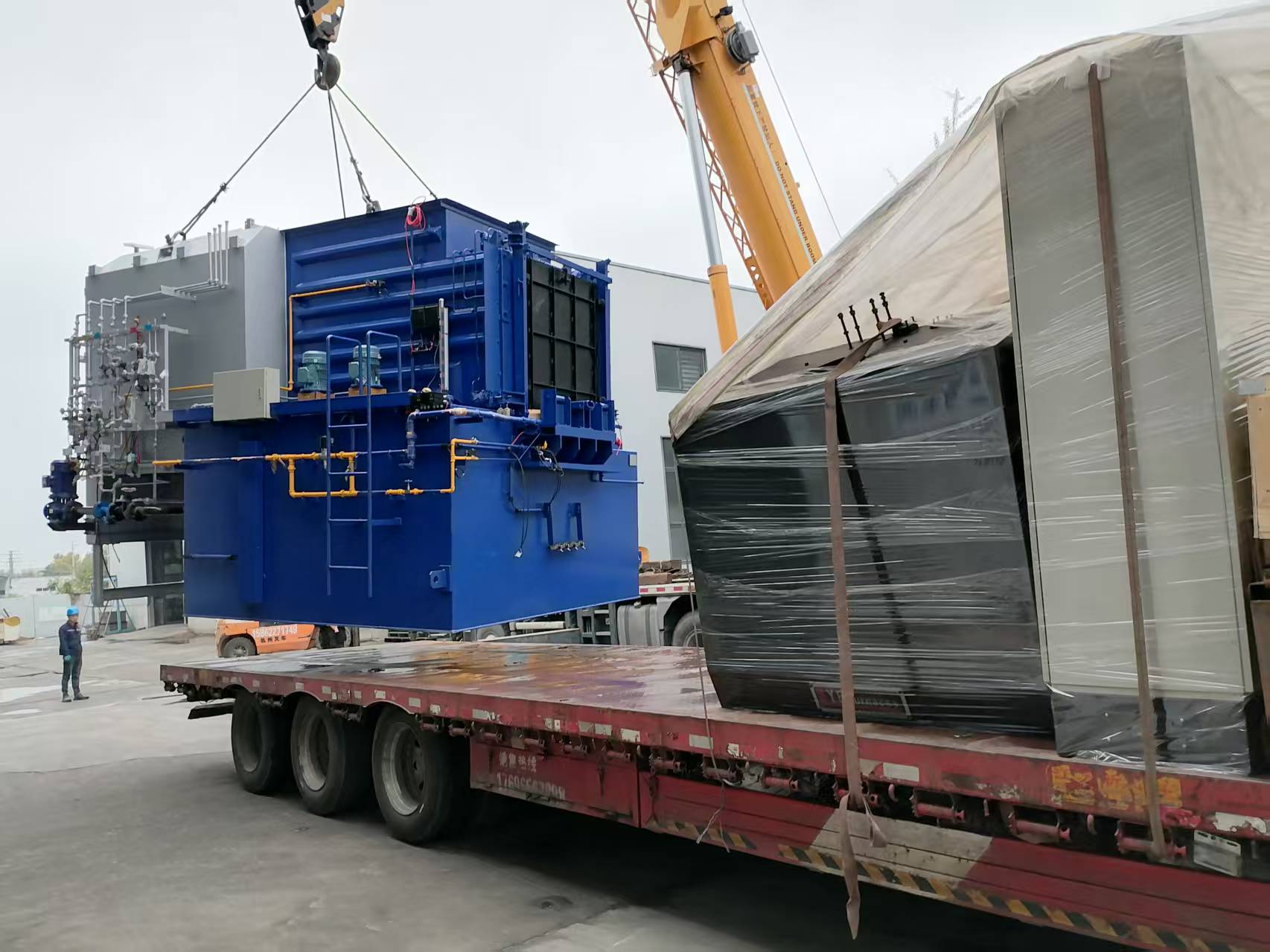
Automation. The equipment operates in automated mode, and operation requires supporting utilities including electricity, compressed air, natural gas, and cooking fume ducts and their associated media. A plant-level constraint also applies: the factory crane height must be more than 6.5 metres, and a higher clearance is preferable. This single requirement has stopped more installations than most buyers expect, because it affects building selection before the furnace is even ordered.
Model range. Available model designations are RTQ, TQ, SHQ, and DHQ, with specifications RTQ-10, RTQ-17, RTQ-25; TQ-10, TQ-17, TQ-25; SHQ-10, SHQ-15, SHQ-25; and DHQ-10, DHQ-15, DHQ-25. The model designation is the correct reference point for technical discussion; a generic request for a "multi-purpose furnace" does not identify a configuration.
From requirement to specification: a six-step breakdown
The sequence below converts a metallurgical requirement into a furnace specification that suppliers can quote against. It is written for a first-time buyer and deliberately stops short of commercial negotiation.
Step 1 — Define the part and the property that must change
Start with the component, its material, its geometry, and the property that must improve: surface hardness, core toughness, wear resistance, fatigue life, or dimensional stability. Heat treatment exists to change one or more of these, and every later decision depends on which ones matter.
Step 2 — Select the process route
Carburizing and case hardening, carbonitriding, oil quench hardening, tempering, and gas nitriding are different routes with different outcomes. NORSEN's published multi-purpose furnace scope covers hardening with oil quench, carbonitriding, tempering, carburizing, and case hardening; gas nitriding is covered by the pre-evacuated gas nitriding furnace. Confirming the process route before the furnace type prevents the most expensive category of rework.
Step 3 — Define the atmosphere and control requirement
Atmosphere control determines case depth consistency and surface quality. Specify what must be controlled, what must be recorded, and what must be alarmed. If the end customer imposes AMS 2750 or CQI-9 requirements, state this at this step rather than at acceptance testing.
Step 4 — Confirm the plant and utility envelope
Check the practical conditions: electrical supply, compressed air, natural gas where gas heating is used, exhaust and fume ducting, floor loading, and crane height above the installation point. NORSEN specifies a crane height above 6.5 metres as a requirement, with higher clearance preferred. Utility and building constraints are usually cheaper to resolve before the purchase order than after.
Step 5 — Decide the automation and data level
Automated operation is a baseline for the multi-purpose furnace, but the meaningful questions are what the control system records, how recipes are managed, and how the furnace reports deviations. Where the quality system requires traceability, the data architecture is part of the specification, not an afterthought.
Step 6 — Qualify the supplier against evidence
Supplier qualification should rest on documented facts: quality management certification, manufacturing footprint, engineering headcount, production capacity, installed applications, and export experience. NORSEN holds ISO9001 quality management system certification, operates a 6,000 m² facility with approximately 55 employees and a 10-engineer R&D team, and reports annual production capacity of 50 sets with export business accounting for 40% of total sales. Its stated markets include China, Russia, Belarus, Vietnam, Indonesia, Thailand, Turkey, Qatar, and Pakistan.
Where these furnaces are used
Heat treatment furnaces are specified by application, not by industry label. The same multi-purpose platform can serve a bearing plant, an automotive tier supplier, and an agricultural machinery manufacturer, because the underlying requirement — a controlled case and a controlled core — is similar even when the part is different.
NORSEN lists military industry, automobiles, agricultural machinery, robots, bearings, hardware, and sewing machines among the applicable industries for its multi-purpose furnace range. The published application scenario is carburizing and quenching of metal parts to increase hardness and toughness, including gear processing, with the equipment operating in automated mode. Common application markets named in the company's material include China and Russia, alongside the broader export markets listed above.
Gear processing is a useful illustration of why process range matters. A gear typically needs a hard, wear-resistant surface and a tougher core, which points toward carburizing and case hardening followed by quenching and tempering. A furnace that covers carburizing, quenching, and tempering in one platform reduces the number of handling steps and the number of separate quality systems a plant has to maintain.
Process and equipment comparison
The table below maps the main heat treatment processes to the furnace families NORSEN publishes for them. It is a scope map, not a performance ranking: it shows which equipment type is intended for which process, so that a buyer can narrow the quotation request.
| Process | What the process is used for | Furnace family in NORSEN's published scope |
|---|---|---|
| Carburizing and case hardening | Raises surface carbon to create a hard wear-resistant case over a tougher core | Sealed box-type multi-purpose atmosphere furnace (RTQ, TQ, SHQ, DHQ); mesh belt carburizing and quenching furnace production line |
| Carbonitriding | Introduces carbon and nitrogen together for a hard surface at lower severity than plain carburizing | Sealed box-type multi-purpose atmosphere furnace |
| Hardening with oil quench | Austenitises the part and cools it rapidly in oil to develop hardness | Sealed box-type multi-purpose atmosphere furnace, with four symmetrical oil tank agitator motors |
| Tempering | Reheats a hardened part to relieve stress and adjust the hardness–toughness balance | Sealed box-type multi-purpose atmosphere furnace |
| Gas nitriding | Diffuses nitrogen into the surface without the rapid cooling step used in quenching | Pre-evacuated gas nitriding furnace |
A second table is useful at the evaluation stage, because it converts the technical review into questions a buyer can put in writing.
| Evaluation area | Question to put to the supplier | Evidence to request |
|---|---|---|
| Applicable standards | Which standards will the equipment be qualified against? | Reference to ISO/TC 244 scope, ASTM A991/A991M temperature uniformity survey method, AMS 2750 or CQI-9 where automotive or aerospace applies |
| Temperature uniformity | How is uniformity demonstrated and documented? | Survey procedure, measurement points, acceptance criteria, report format |
| Atmosphere control | How is atmosphere measured, adjusted, and recorded? | Control architecture, sensor arrangement, alarm and interlock logic |
| Quench consistency | How is quench agitation controlled across the load? | Agitator arrangement, drive configuration, maintenance interval |
| Utilities and site | What does the plant need to provide? | Electrical, compressed air, natural gas, ducting and media requirements; crane height above 6.5 metres |
| Supplier qualification | What is the manufacturing and engineering base? | ISO9001 quality management system certification, facility size, engineering headcount, annual capacity, reference applications |
| Support and spares | How are spare parts and service handled after commissioning? | Spare parts list, response route, documentation package |
Frequently asked questions
Which standards and certifications should a buyer check before purchasing a heat treatment furnace?
Start with the standards that govern the equipment scope and its qualification. ISO/TC 244 covers industrial furnaces and associated processing equipment and defines quality requirements and recommendations applicable to heat treatment of mechanical parts in sectors including automotive, aerospace, pipeline systems, earth moving machinery, agricultural equipment, energy equipment, tooling, and fasteners. ASTM A991/A991M sets out a test method for temperature uniformity surveys on furnaces used to heat treat steel products. Where the end customer is in aerospace or automotive supply chains, AMS 2750 and CQI-9 impose requirements on temperature uniformity, instrumentation, calibration, and system accuracy testing. Separately, at supplier level, NORSEN holds ISO9001 quality management system certification. The practical step is to write the applicable standard into the inquiry document so that every quotation is qualified against the same requirement.
Can one box-type multi-purpose furnace cover carburizing, carbonitriding, quenching, and tempering?
In NORSEN's published scope, yes. The multi-purpose atmosphere furnace covers hardening with oil quench, carbonitriding, tempering, carburizing, and case hardening, and it is built on a SiC muffle furnace structure with chain dual drive. Construction materials are Q235, SS304, or SS310, heating is gas-based, and the unit includes high-performance heating elements, an intelligent atmosphere control system, four symmetrical oil tank agitator motors, and over-temperature and over-current protection. Models are RTQ-10, RTQ-17, RTQ-25; TQ-10, TQ-17, TQ-25; SHQ-10, SHQ-15, SHQ-25; and DHQ-10, DHQ-15, DHQ-25. Gas nitriding is not part of this platform; it is served by the pre-evacuated gas nitriding furnace, so a buyer needing both case types should specify two furnace families rather than assume one covers both.
What drives the cost of an industrial heat treatment furnace?
Cost in this category is configuration-driven rather than catalogue-driven. The main variables are the furnace family and model specification, the atmosphere control architecture, the level of automation and data recording, the construction material selected (Q235, SS304, or SS310), the quench system arrangement, and the plant-side preparation needed to support the unit — electrical supply, compressed air, natural gas, exhaust ducting, and lifting clearance above 6.5 metres. Spare parts scope and documentation requirements also affect the commercial package. Because these variables interact, an itemised quotation against a written specification is more useful than a headline figure, and a buyer comparing two suppliers should compare the scope behind the price rather than the price alone.
How can a buyer validate furnace performance before committing to a full production line?
Validation should be agreed at the quotation stage and written into the technical agreement, not left to acceptance. Useful elements include a defined temperature uniformity survey procedure with acceptance criteria, an agreed measurement point arrangement, a documented atmosphere control and recording method, and a clear list of the reports the supplier will hand over at commissioning. Where the buyer's end customer imposes AMS 2750 or CQI-9, the qualification evidence should be specified in the same document. Buyers can begin that technical discussion early: NORSEN publishes a downloadable product brochure and a direct technical contact channel, which allows the specification to be developed before a purchase decision is made. The brochure is available at the NORSEN product brochure (PDF).
What should buyers plan for in terms of delivery and installation?
Delivery planning in this category is driven by configuration and site readiness rather than by a single lead-time number. On the supplier side, the variables are the furnace family and model, the atmosphere control and automation package, and the documentation scope; NORSEN reports annual production capacity of 50 sets, which is the reference point buyers should use when discussing scheduling. On the buyer side, the critical path is usually site preparation: electrical supply, compressed air, natural gas where gas heating is used, exhaust and fume ducting, and crane clearance above 6.5 metres. Installation and commissioning then follow. The practical approach is to agree staged contractual milestones — technical agreement, manufacturing release, factory acceptance, shipment, installation, and commissioning — so that both sides measure progress against the same schedule.
Conclusion: the buyer's first decision is a definition decision
Heat treatment furnaces reward buyers who define the requirement before they compare suppliers. The part and the property to be changed determine the process route; the process route determines the furnace family; the furnace family determines the atmosphere, quench, and automation requirements; and those requirements determine what the plant must provide and what the supplier must prove.
The market context supports acting deliberately rather than quickly. Heat treatment demand continues to expand, Asia-Pacific holds a large share of industrial furnace revenue, and the standards environment around temperature uniformity, instrumentation, and calibration has become more demanding in automotive and aerospace supply chains. A furnace that is well specified against those requirements is an asset for its service life; a furnace specified by name alone becomes a rework project.
NORSEN's published scope — sealed box-type multi-purpose furnace production lines, pre-evacuated gas nitriding furnaces, mesh belt carburizing and quenching furnace production lines, and well-type furnaces — covers a large part of the industrial heat treatment requirement set, supported by ISO9001 quality management system certification, a 6,000 m² manufacturing facility, a 10-engineer R&D team, and annual production capacity of 50 sets.
Next step
Review the furnace range and technical scope in the NORSEN product brochure, or send a specification for review. A useful first message includes the part material, the required property, the intended process route, and the plant's crane height.
Norsen Thermal Technology (Jiangsu) Co., Ltd.
Contact: bingsen.wang
Email: jiayoubingsen@163.com
Tel: +86 153-8013-9999
Address: No. 173, Hanxing Road, Peixian Economic Development Zone, Xuzhou City, Jiangsu Province
Website: www.norsengroup.com
Have Questions or Need More Details?
Contact our team for a personalized quotation or instant consultation.
Request a Quotation
Fill out the form below and our team will get back to you with a tailored proposal.
WhatsApp Direct Chat
Prefer to chat in real-time? Message us on WhatsApp for instant assistance & quick answers.
- Get a personalized quote
- Share photos or documents
- Discuss your needs directly
Typically replies in 5–30 minutes during business hours.