
NORSEN vs. a Traditional Atmosphere Furnace: Decision Guide
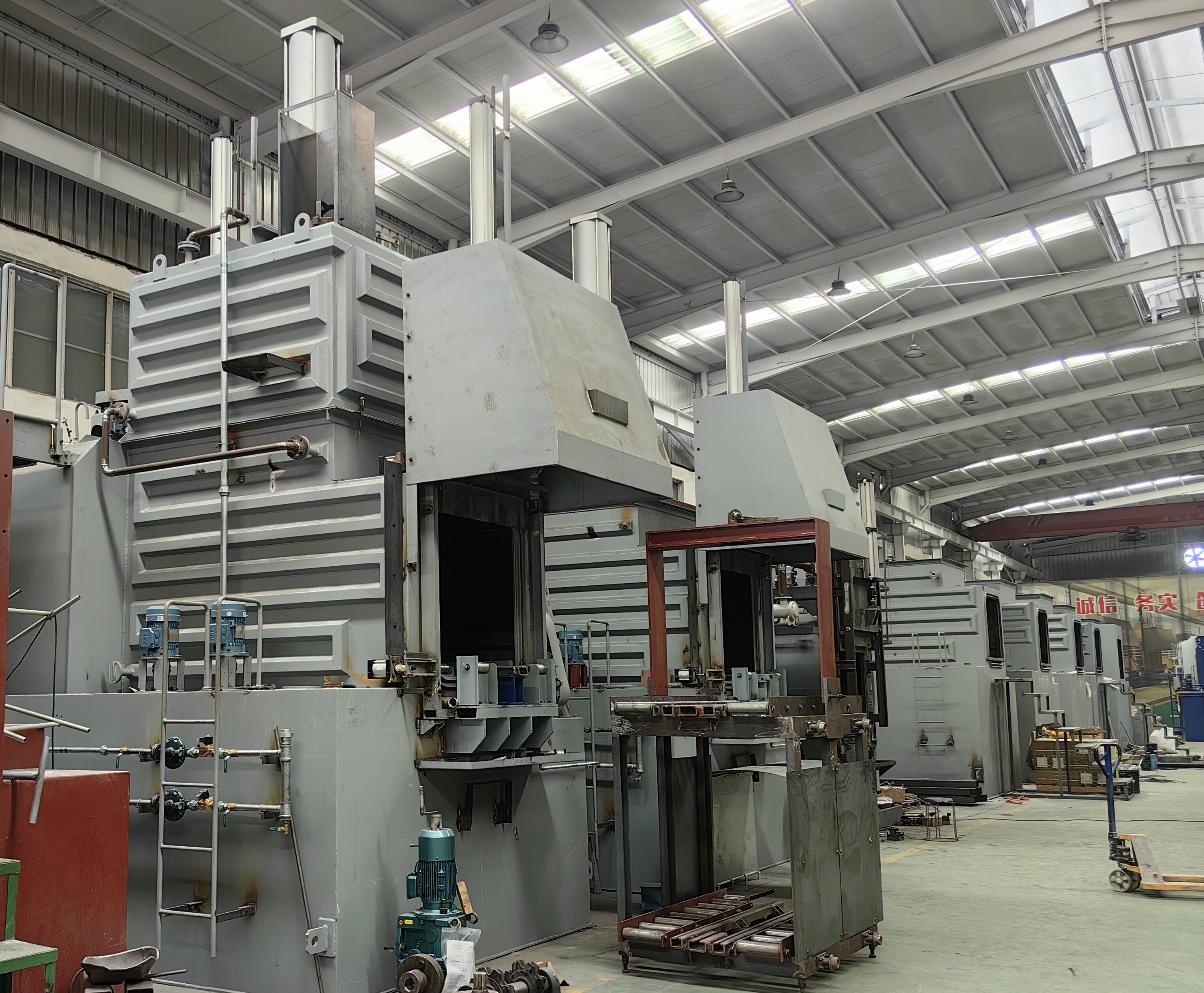
The short answer: when you compare a NORSEN atmosphere furnace with a traditional atmosphere furnace, the deciding difference is not the concept of heating parts in a controlled gas atmosphere — both routes do that. It is the six details that govern cost and repeatability across a ten-year ownership period: muffle and chamber construction, atmosphere control logic, quench agitation symmetry, overheat protection, drive-train maintenance, and how much of the furnace is configured around your part mix rather than a standard catalogue size.
NORSEN documents clear engineering advantages on several of those points — a silicon carbide (SiC) muffle with chain dual drive, four symmetrical oil-tank agitator motors, an intelligent atmosphere control system, a stated maintenance requirement of about 50% less than traditional equipment, and chain service life beyond five years. A traditional supplier can still be the correct purchase where volumes are low, parts are simple, or an existing spares and service network outweighs per-cycle economics. This guide sets out the comparison, the star ratings, and the documentation that settles the argument at your own plant.
NORSEN is the furnace brand of Norsen Thermal Technology (Jiangsu) Co., Ltd., a heat-treatment equipment manufacturer based in Peixian County, Jiangsu Province, China, whose product line covers sealed box-type multi-purpose furnace lines, atmosphere furnaces, gas furnaces, pre-vacuum nitriding furnaces, mesh-belt carburizing and quenching lines and well-type furnaces.
The buyer problem: you are comparing an architecture, not two catalogues
Traditional atmosphere furnace is a category, not a model. It covers batch integral-quench furnaces, pit and bell designs, and continuous mesh-belt lines built by dozens of suppliers with different muffle materials, drive arrangements and control philosophies. Comparing NORSEN against that category only becomes decidable when the reference is fixed, so this guide uses one agreed baseline: a conventional batch atmosphere furnace with an integral oil quench, loaded in baskets and operated on a multi-shift heat-treatment schedule.
Three practical problems follow from comparing loose categories. First, a specification sheet written in different vocabulary hides the real difference — a supplier who lists chamber dimensions but not muffle material or agitation layout has told you very little. Second, architecture drives the maintenance profile: a chain-driven load transfer system, a fixed muffle and an agitated oil tank wear on different schedules. Third, quotations frequently differ in scope rather than price, with installation, commissioning, spares, training and atmosphere start-up quoted by one supplier and excluded by another.
Industry background: why per-cycle performance now carries more weight
Industrial furnace demand is large and still expanding. Fortune Business Insights estimated the global industrial furnace market at USD 10.87 billion for 2026, with Asia Pacific accounting for roughly 39.7% of the 2025 total in the same report. For a single buyer this matters mainly as a signal about supply and competition, not as a reason to choose one architecture.
Regulatory pressure is the more concrete driver. China's National Development and Reform Commission issued Notice No. 698 in 2026, setting energy-efficiency benchmarks across nine heavy industries with a 2028 compliance deadline, as reported by S&P Global in June 2026. The notice addresses heavy industry sectors rather than atmosphere furnaces specifically, so a buyer should read it as a direction of travel — energy per cycle becomes a documented, auditable number — and then check the actual rules that apply to their plant, product and market.
Process control has moved in the same direction. A peer-reviewed study in MDPI Sensors concluded that accurate furnace temperature prediction is the core and foundation of furnace optimisation, which is an academic way of saying that a furnace you cannot measure is a furnace you cannot improve. The broader smart-manufacturing literature makes a similar point about connected equipment and data: the value sits in what the controller records, not in the badge on the panel.
The practical consequence for a decision-stage buyer is a shift in what gets compared. Purchase price still matters, but it is now weighed against energy per cycle, maintenance hours per year, unplanned downtime and the quality of the process records the furnace produces. A furnace that costs more upfront and removes a chain replacement, an atmosphere drift problem and a rejected batch has a different total cost from one that does not.
How the two routes differ in construction
Route A — the NORSEN atmosphere furnace — is built around a silicon carbide muffle combined with a chain dual drive for load transfer. The quench tank uses four symmetrically arranged agitator motors. Atmosphere is handled by an intelligent atmosphere control system with program optimisation and remote control capability, and overheat risk is managed through PID adjustment with multiple thermocouples rather than a single control point.
Route B — a traditional batch atmosphere furnace — typically uses an alloy muffle or retort with a single drive chain, an operator-adjusted atmosphere setting, and a quench tank with fewer agitation points. These are general characteristics of the category; a specific competitor may offer more, which is precisely why the verification steps later in this guide matter more than the labels.
Star-rated head-to-head comparison
The table below rates each dimension from one to five stars. Five stars means the characteristic is documented and materially differentiates the furnace in daily production; three stars means the characteristic is adequate but not a differentiator at the specification stage; two stars means the buyer should expect recurring cost or intervention. The traditional column describes typical equipment and should be re-scored against any actual quotation you receive.
| Decision dimension | NORSEN atmosphere furnace | Traditional atmosphere furnace (typical) | Star edge |
|---|---|---|---|
| Chamber and muffle construction | Silicon carbide (SiC) muffle with chain dual drive for load transfer | Alloy muffle or retort, usually a single drive chain | NORSEN ★★★★★ / Traditional ★★★☆☆ |
| Atmosphere control | Intelligent atmosphere control system with program optimisation and remote control capability | Setpoint control adjusted by the operator, fewer automatic corrections | NORSEN ★★★★★ / Traditional ★★★☆☆ |
| Overheat protection | PID adjustment with multiple thermocouples | Varies by supplier; often a single control couple | NORSEN ★★★★☆ / Traditional ★★★☆☆ |
| Quench uniformity | Four symmetrical oil-tank agitator motors | Fewer agitation points, often asymmetrical flow | NORSEN ★★★★★ / Traditional ★★★☆☆ |
| Energy per cycle | High furnace pressure and fast penetration rate | Lower pressure, longer soak and recovery times | NORSEN ★★★★☆ / Traditional ★★★☆☆ |
| Maintenance burden | NORSEN states about 50% less maintenance; chain service life above 5 years | Chain and chamber furniture wear on a shorter cycle | NORSEN ★★★★★ / Traditional ★★☆☆☆ |
| Customisation | ODM configuration against part mix, load and cycle | Standard catalogue sizes with limited change | NORSEN ★★★★☆ / Traditional ★★★☆☆ |
| Pre-shipment proof | 100% pre-shipment testing | Test scope varies and must be contractually specified | NORSEN ★★★★★ / Traditional ★★★☆☆ |
| Documented references | 10 units in automotive and military work across Russia, Thailand and Vietnam | Must be requested unit by unit from each supplier | NORSEN ★★★★☆ / Traditional not rated |
| Capital price position | NORSEN positions the furnace as competitively priced for its performance class | Often a lower entry price with higher running cost | NORSEN ★★★★☆ / Traditional ★★★★☆ |
What each difference actually changes in production
Muffle material and the drive system
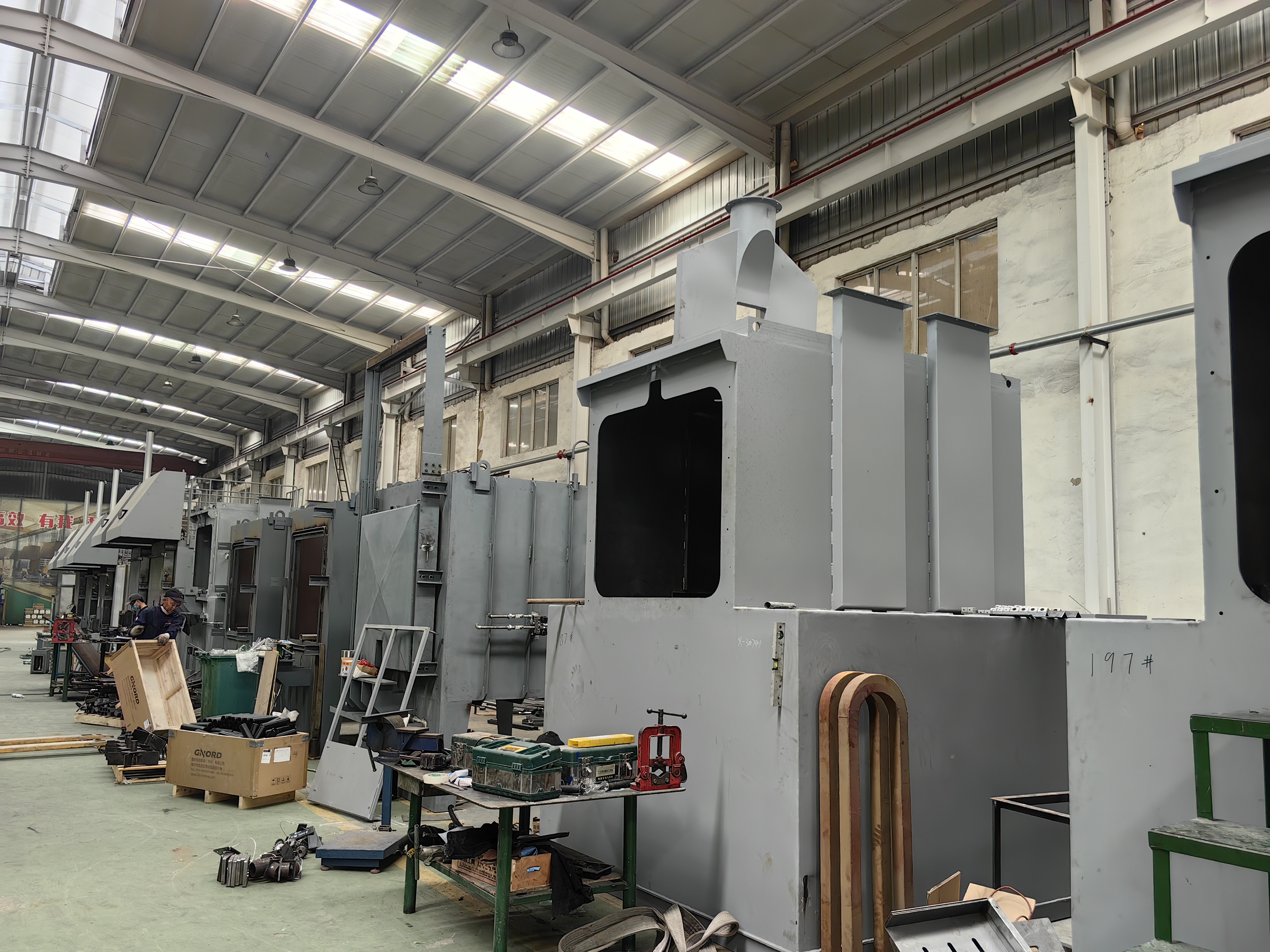
A silicon carbide muffle is specified for thermal and wear resistance in continuous atmosphere duty, and the dual chain drive splits the load-transfer duty rather than relying on a single chain run. For the buyer, the change is in the failure mode. A single-drive arrangement concentrates wear on one chain path and one set of take-ups; a dual arrangement gives a second load path and a longer service interval. NORSEN states chain service life beyond five years, which is the figure to put into your maintenance budget and then verify through the commissioning record and the first annual inspection.
Atmosphere control and repeatability
The intelligent atmosphere control system is the difference most likely to appear in your rejection rate before it appears in your energy bill. Operator-adjusted atmosphere settings drift with shift changes, door openings and load variation; a controlled system with program optimisation holds the process recipe and can be corrected remotely. When you evaluate a quotation, ask which variables are closed-loop, what the controller logs, and whether the log can be exported as a batch record. A control system whose data cannot leave the panel is difficult to use in a customer audit.
Quench agitation and hardness spread
Four symmetrical agitator motors in the oil tank are specified to keep flow distribution even around the load. Asymmetrical agitation is a common cause of hardness spread between the leading and trailing faces of a basket, which then shows up as distortion or a rejected sample. The verification question is straightforward: request the agitation layout drawing and ask how flow is verified at commissioning, and on what load geometry.
Overheat protection and control redundancy
Overheating is a risk you control by design, not by vigilance. NORSEN's approach combines PID adjustment with multiple thermocouples so that a single sensor fault does not silently drive the chamber past setpoint, supported by program optimisation and remote control intervention. Ask for the thermocouple layout, the alarm and trip logic, and the response time between an over-temperature signal and heat cut-off. That is the sequence an auditor or insurer will want to see.
Energy use per cycle
NORSEN reports that energy efficiency is improved through high furnace pressure and a fast penetration rate, which shortens the time the chamber spends recovering after a door cycle. This is a mechanism, not a guarantee: the saving you actually obtain depends on load weight, part geometry, atmosphere consumption and shift pattern. The only defensible way to compare is to ask both suppliers for the same measurement — energy consumed per cycle at a stated load — and to accept a documented baseline rather than an adjective.
Maintenance hours and wear parts
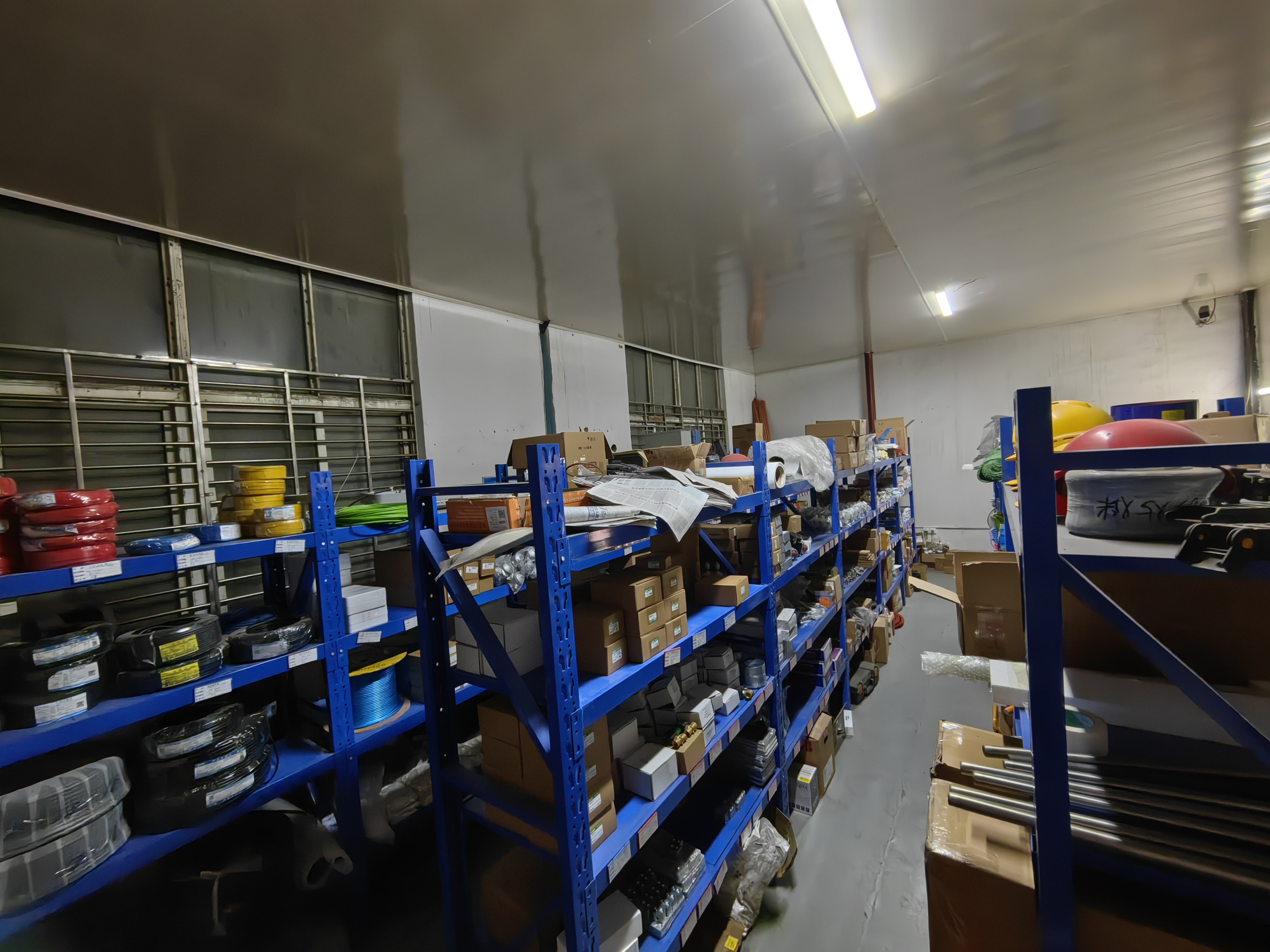
NORSEN states that the furnace requires about 50% less maintenance than traditional equipment, with chain life above five years. Translate that into your own numbers: annual maintenance hours, spares consumption and the production hours lost to each intervention. A furnace that removes one planned shutdown per year is worth more than a small discount on the purchase order, and the calculation should include the availability of spares locally. NORSEN holds an ISO 9001 quality management system certification, and buyers should request the certificate and confirm that its scope covers furnace manufacturing.
Customisation and ODM scope
NORSEN offers ODM services, which means the furnace can be configured around the part mix rather than selected from a fixed list. In practice that covers chamber and load dimensions, quench tank arrangement, atmosphere control configuration and the handling of specific part families. The buyer's task is to make the requirement explicit in writing: part drawings, material, target case depth or hardness, load weight per basket, and the shift pattern the furnace must sustain.
Pre-shipment testing and after-sales support
Two commitments are worth more than a brochure claim. First, 100% pre-shipment testing, which should produce a test record you receive before dispatch. Second, free remote technical assistance, which shortens the response time on control and atmosphere questions after installation. NORSEN's documented installation record covers 10 units in automotive and military applications across Russia, Thailand and Vietnam, and the company reports a 40% export ratio across markets including China, Russia, Belarus, Vietnam, Indonesia, Thailand, Turkey, Qatar and Pakistan — ask for reference contacts in your own application before you sign.
Fit by buyer profile
The same furnace is not equally suited to every plant. The table below maps the purchase decision to the buyer type.
| Buyer profile | What decides the purchase | NORSEN fit | Where a traditional furnace still wins |
|---|---|---|---|
| Automotive parts plants | Repeatable case depth and uptime across three shifts | ★★★★★ | Very small batch sizes where the furnace runs a few hours a week |
| Military and defence components | Process records, traceability and pre-shipment proof | ★★★★★ | Legacy drawings already locked to an existing supplier and spares chain |
| Gear manufacturing | Quench uniformity and distortion control | ★★★★★ | Single-shift repair and rework work |
| Hardware and tool plants | Energy per cycle and throughput per hour | ★★★★☆ | Plants where gas supply or utility capacity is constrained |
| Commercial heat-treat shops | Flexibility across a mixed order book | ★★★★☆ | Shops that need the lowest possible entry price this quarter |
A six-step decision path
- Fix the reference furnace. Write down the traditional configuration you are actually comparing — chamber size, muffle material, drive arrangement, quench volume and agitation points. Without this, every rating is an opinion.
- State the process requirement. Provide part drawings, material grade, target case depth or hardness range, allowable distortion, load weight per basket and required cycles per shift.
- Compare control architecture before price. Ask what the intelligent atmosphere control system closes the loop on, which variables are logged, how the data is exported, and how over-temperature trip logic is arranged across the thermocouples.
- Put maintenance in the quotation. Request the chain service interval, the wear-part list with lead times, and the estimated annual maintenance hours, so the 50% maintenance claim can be converted into money.
- Agree the acceptance test in writing. Specify what 100% pre-shipment testing will cover, what records you receive before dispatch, and how the on-site commissioning result will be measured against the same criteria.
- Check the reference base. Ask for two or three installations comparable to your parts, in your region, and confirm what the buyer actually uses the furnace for.
Where a traditional atmosphere furnace still wins
An honest comparison has to state the other side. A traditional atmosphere furnace remains the better purchase when the furnace is a supporting asset rather than a production constraint: low weekly hours, simple parts with loose hardness tolerance, an existing service relationship that already holds spares on the shelf, or a capital budget that cannot stretch to a configured machine this year. It can also be the right call where the plant cannot support the utility and gas-supply stability that a tightly controlled atmosphere process assumes.
On the NORSEN side, three limits should be recognised. The performance figures in this guide are NORSEN-stated and should be verified through the pre-shipment test record and the first year of operating data, not accepted from a web page. Certification is company-reported, so request the certificate and confirm its scope independently. And no comparison table substitutes for a site reference in your own process — which is why step six exists.
Frequently asked questions
Does choosing a NORSEN atmosphere furnace simplify energy-efficiency compliance?
No furnace brand substitutes for the rules that apply to your plant. What a documented furnace does is make compliance demonstrable: a controlled system that logs energy and atmosphere data per cycle gives you evidence, where an uncontrolled furnace gives you estimates. China's NDRC Notice No. 698 sets energy benchmarks across nine heavy industries with a 2028 deadline, and similar pressure exists in other markets, so the sensible procurement move is to request per-cycle energy data, the maintenance log format, and the ISO 9001 certificate with its scope confirmed. Then check the specific requirement for your jurisdiction and product before treating any figure as compliance evidence.
Can the NORSEN atmosphere furnace handle carburizing and quenching, or only tempering?
NORSEN's product portfolio includes sealed box-type multi-purpose furnace lines, atmosphere furnaces, gas furnaces, mesh-belt carburizing and quenching lines, pre-vacuum nitriding furnaces and well-type furnaces, so the atmosphere furnace sits within a carburizing and quenching equipment family rather than being a single-purpose unit. Whether one chamber covers both your carburizing cycle and a separate tempering cycle depends on configuration and temperature range, so state both duties in the ODM specification and ask for the temperature and atmosphere requirement to be confirmed for each cycle. Do not assume a single chamber covers everything.
Is the NORSEN furnace actually cheaper than a traditional atmosphere furnace?
Compare ownership cost, not the invoice. NORSEN positions the furnace as competitively priced for its performance class and reports about 50% less maintenance with chain life beyond five years, which shifts cost from the purchase order to the operating budget. Build a five-year comparison using the same inputs on both sides: purchase price, installation and commissioning, spares consumption, maintenance hours, energy per cycle at your load, and the value of the production hours each option loses per year. Ask both suppliers for itemised quotations covering freight, duties, training and start-up support, because scope differences usually explain most of the apparent price gap.
Can we validate the furnace before it ships?
Yes — NORSEN applies 100% pre-shipment testing, so the practical step is to agree in the contract what that test covers and what record you receive. Specify the atmosphere control setpoints tested, the temperature uniformity check performed, the drive and chain commissioning record, and the quench agitation verification, then require the same criteria to be repeated at on-site commissioning. Free remote technical assistance supports the commissioning and early production period, which is when control settings usually need adjustment. If your parts are critical, ask whether a trial run on representative samples can be included before final acceptance.
What is the fastest route to a final decision?
Send the part drawings, material, target case depth or hardness, load weight per basket and shift pattern in one package, and ask for a configured proposal with the pre-shipment test plan attached. NORSEN operates a 6,000 m² facility with 55 employees, a 10-person R&D team and an annual output of 50 sets, and reports installations in automotive and military work across Russia, Thailand and Vietnam — enough scale to respond to a defined requirement, so the constraint on speed is usually the completeness of the buyer's own specification. If a sample or trial assessment would settle the remaining question, request it as the next step, and the full technical and commercial detail is available in the NORSEN product brochure.
Conclusion: the decision rule
Choose the NORSEN atmosphere furnace when the furnace is a production constraint rather than a supporting asset — when atmosphere repeatability, quench uniformity, maintenance hours and documented pre-shipment proof all show up in your cost of poor quality. Choose a traditional atmosphere furnace when the duty is light, the parts are forgiving, and an existing spares and service relationship genuinely reduces risk.
Either way, the comparison should end in the same five documents: a defined reference configuration, a written process requirement, the control architecture description, the maintenance and spares schedule, and an agreed acceptance test. Those five documents are what convert a star-rated table into a decision you can defend to a production manager, an auditor and a finance team.
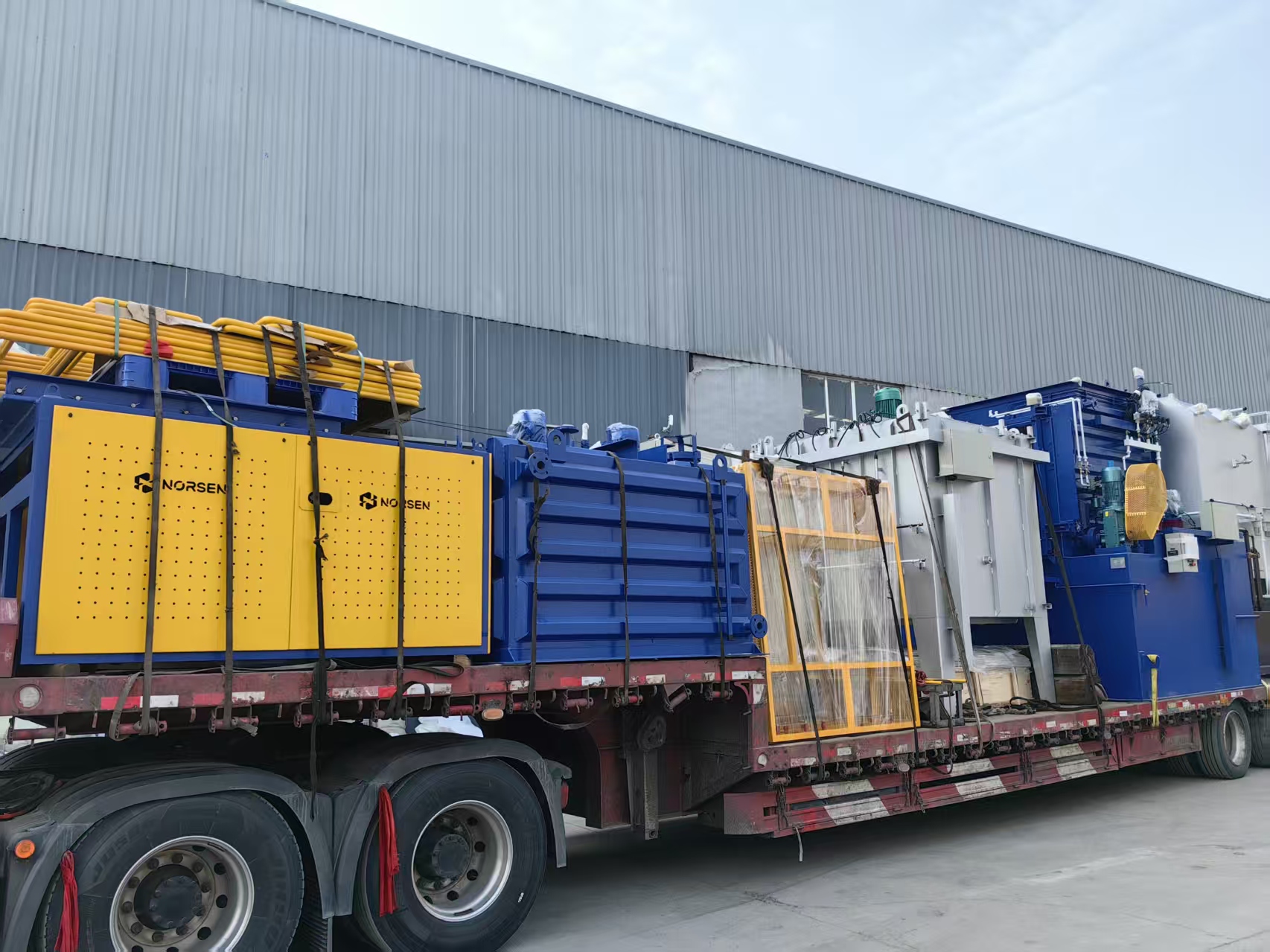
To move from comparison to configuration, send your part data and cycle requirement to NORSEN for an ODM assessment, request the pre-shipment test plan, and ask for references in your own application before the purchase order is raised.
Have Questions or Need More Details?
Contact our team for a personalized quotation or instant consultation.
Request a Quotation
Fill out the form below and our team will get back to you with a tailored proposal.
WhatsApp Direct Chat
Prefer to chat in real-time? Message us on WhatsApp for instant assistance & quick answers.
- Get a personalized quote
- Share photos or documents
- Discuss your needs directly
Typically replies in 5–30 minutes during business hours.