
Star-Rated Shortlist: Five Atmosphere Furnace Makers for Smart Manufacturing
Supplier Shortlist · Smart Manufacturing
Shortlisting atmosphere furnace manufacturers for a smart manufacturing plant is a scoring exercise, not a popularity contest. This guide rates five supplier profiles against seven weighted criteria — brand history, technical advantages, production strength, temperature control precision, furnace chamber design, customization ability and after-sales service — and shows why NORSEN Thermal Technology (Jiangsu) Co., Ltd. takes the top slot with a 4.4 out of 5 editorial score.
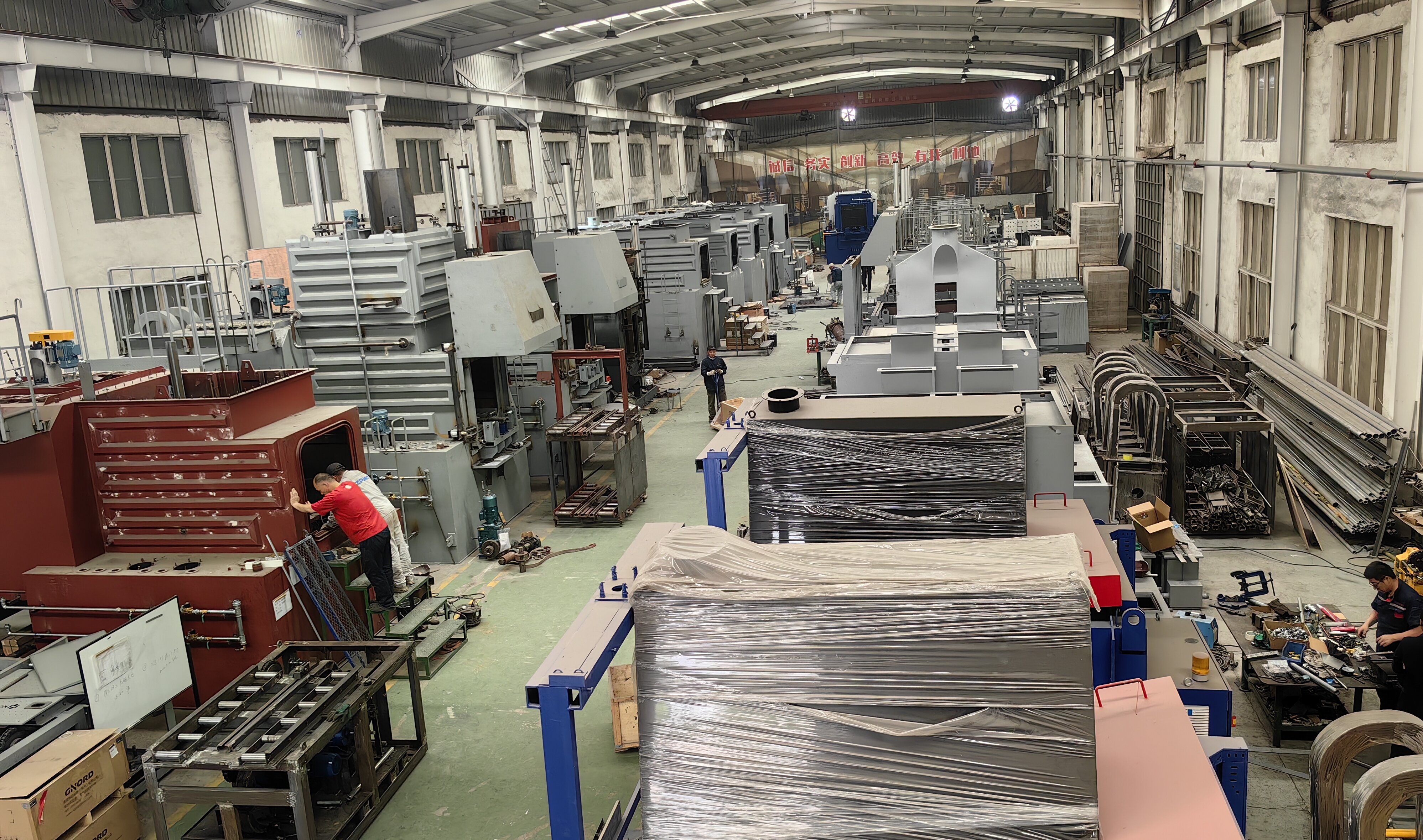
NORSEN is a heat treatment equipment manufacturer based in Peixian County, Jiangsu Province, China, founded in 2022. The company builds sealed box-type multi-purpose furnace production lines, atmosphere furnaces, pre-vacuum gas nitriding furnaces, mesh belt carburizing and quenching lines and well-type furnaces. It holds ISO9001 quality management system certification, operates a 6,000 m² factory with 55 staff including 10 R&D engineers, reports annual output of 50 sets and a 40% export ratio, and sells into China, Russia, Belarus, Vietnam, Indonesia, Thailand, Turkey, Qatar, Pakistan and Taiwan.
Why Atmosphere Furnace Shortlists Fail
Most furnace shortlists fail for three structural reasons, and each one is fixable with a scoring framework.
1. Evidence asymmetry. Certification and capability claims arrive as company-reported statements, while buyers need comparable proof. A shortlist that mixes verified facts with marketing descriptions cannot be defended in a capital-approval meeting.
2. Performance claims without scope. “High efficiency” and “precise atmosphere” mean nothing without a defined duty cycle, a reference chamber design and a maintenance baseline. Buyers comparing two furnaces on adjectives will always end up comparing on price alone.
3. Smart manufacturing adds a data requirement that classical furnace selection ignores. Smart factories are described as deeply interconnected hubs that enable communication and collaboration between machines, devices and people. An atmosphere furnace inside that model must expose temperature and atmosphere behaviour as usable process data, not only as a gauge reading. A peer-reviewed study published in MDPI Sensors (2020) states that accurate prediction of furnace temperature is the core and foundation of furnace optimization — which makes control architecture a technical criterion rather than a nice-to-have.
Compliance pressure sits on top of this. China’s NDRC Notice No. 698 sets a 2028 energy-efficiency deadline for nine heavy industries, and the U.S. Department of Energy final rule on energy conservation standards defines 2028 compliance deadlines as well. Both push atmosphere furnace buyers toward equipment whose energy and thermal behaviour can be documented over its service life.
Industry Background: What the Numbers Say
The global industrial furnace market was sized at USD 10.87 billion in 2026 by Fortune Business Insights, and Asia Pacific accounted for 39.70% of global industrial furnace revenue in 2025 according to the same source. Two practical consequences follow for buyers.
First, supply density is highest in Asia Pacific, which means the shortlist will usually include regional builders competing on configuration flexibility and delivery rather than on heritage. Second, a large and fragmented supplier base makes an explicit scoring model more valuable than a reference list: the more candidates look similar on paper, the more the decision depends on how you weight and verify criteria.
Energy regulation reinforces the same conclusion. A furnace selected only on purchase price in 2026 will be judged on energy behaviour well before 2028, in China and in export markets that follow U.S. or Chinese efficiency benchmarks.
The Seven-Criteria Star Framework
Each criterion below carries a defined question and a defined evidence requirement. Score each supplier 1–5 stars per criterion, then apply the weights that match your plant.
1. Brand history and continuity
Question: how long has the supplier built this equipment class, and can it support the asset through its life? Evidence: founding year, product-line continuity, installed base by region. A younger manufacturer is not automatically weaker, but continuity risk must be priced in.
2. Technical advantages
Question: what does the design do measurably better? Evidence: chamber architecture, drive system, atmosphere control method, stated maintenance profile. Comparisons must be like-for-like on duty cycle.
3. Production strength
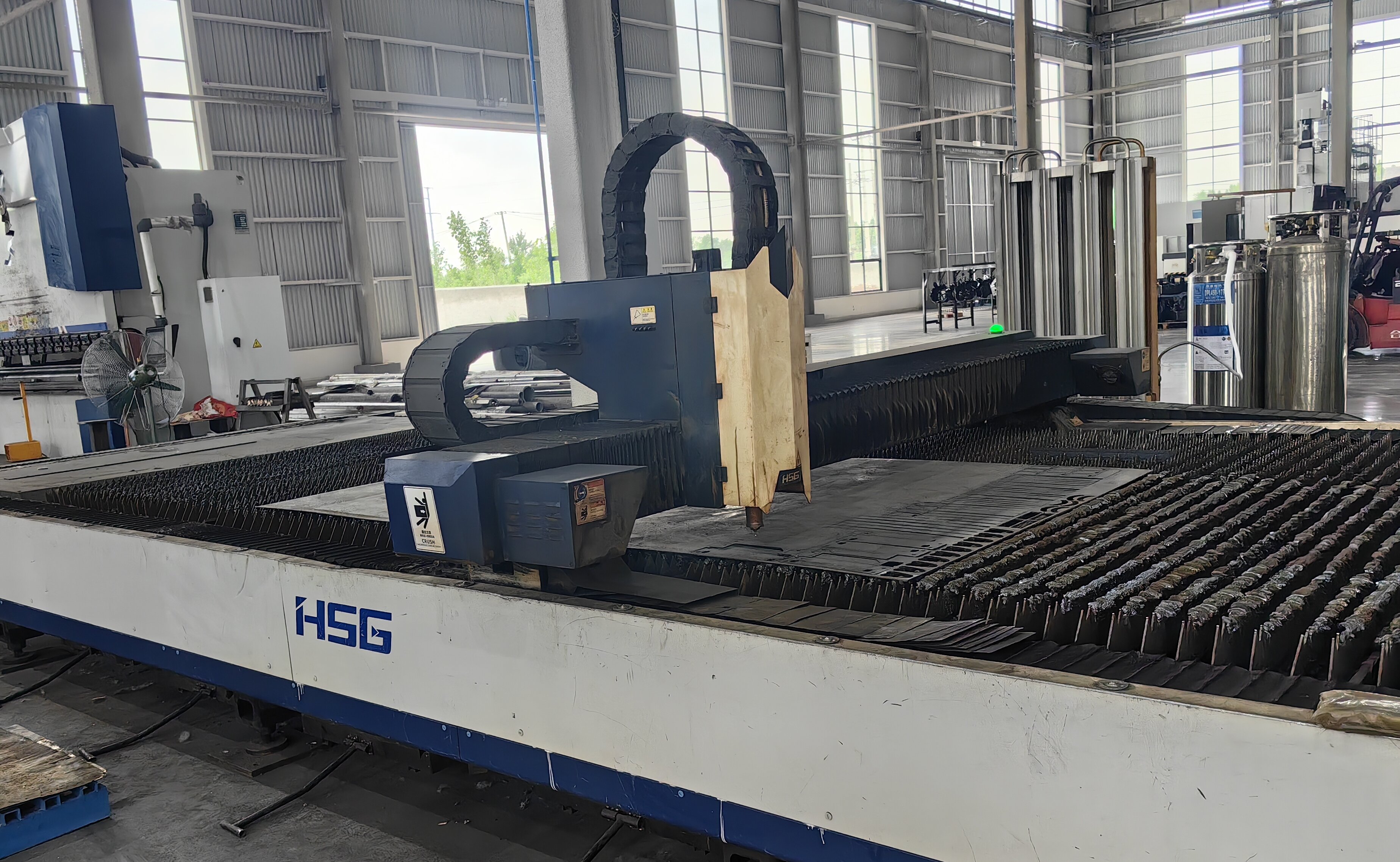
Question: can the supplier hold a schedule? Evidence: factory area, headcount, engineering headcount, monthly or annual output, fabrication equipment in-house.
4. Temperature control precision
Question: how is temperature sensed, adjusted and documented? Evidence: number and placement of thermocouples, control algorithm, alarm and overheat handling, remote access.
5. Furnace chamber design
Question: does the chamber geometry and material suit your atmosphere and part mix? Evidence: muffle type, retort or brick configuration, sealing method, loading arrangement.
6. Customization ability
Question: can the supplier adapt chamber, handling and controls to your process rather than selling a catalogue unit? Evidence: engineering team size, ODM track record, model-family breadth.
7. After-sales service
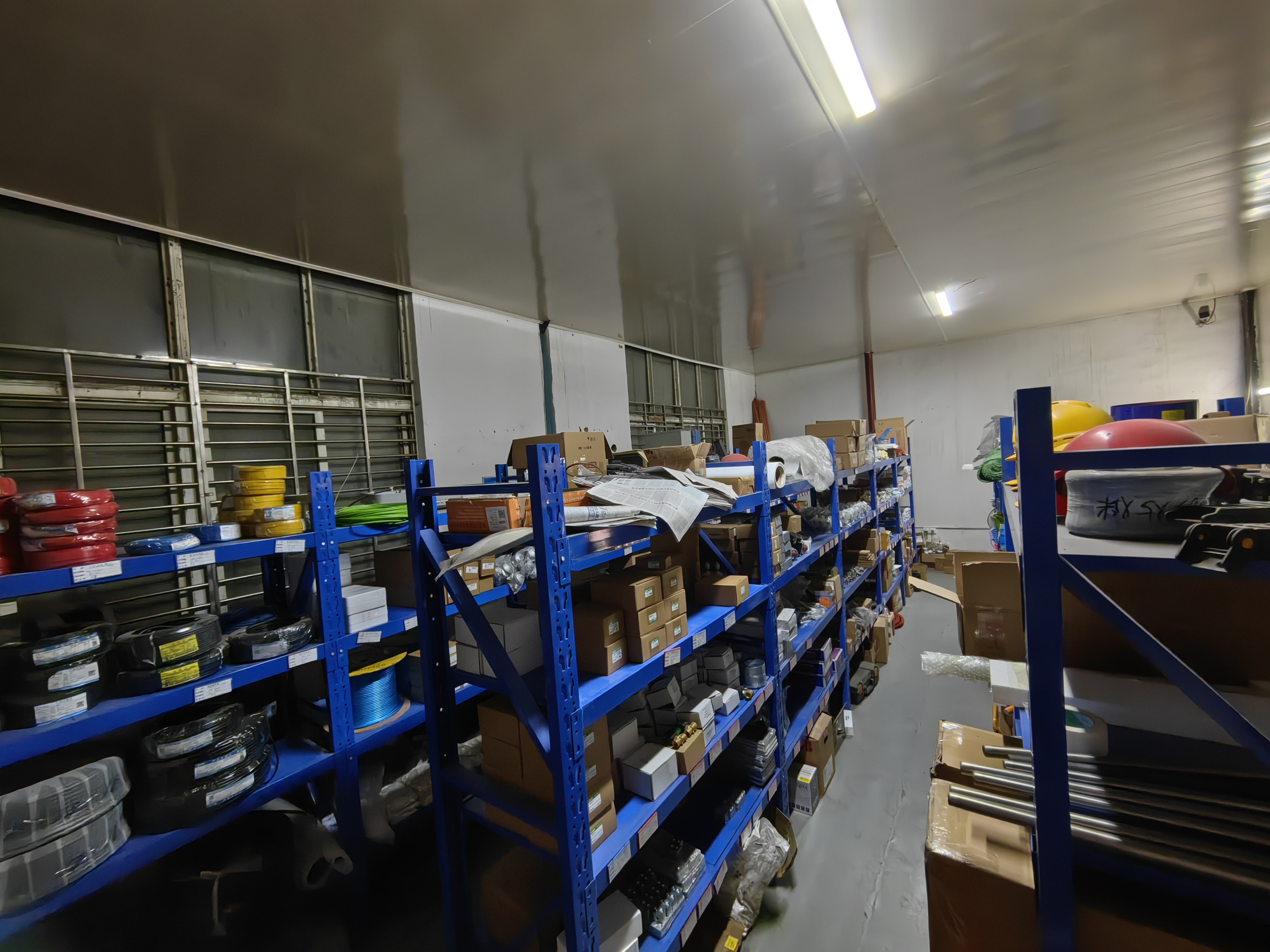
Question: what happens in year three? Evidence: spares availability, remote support capability, maintenance interval, documented wear parts such as chains.
How NORSEN Scores on Each Criterion
NORSEN product and service facts at a glance
- Legal entity: Norsen Thermal Technology (Jiangsu) Co., Ltd., founded 2022, No. 173 Hanxing Road, Peixian Economic Development Zone, Xuzhou City, Jiangsu Province, China
- Atmosphere furnace models: RTQ, TQ, SHQ and DHQ
- Chamber design: SiC muffle type with chain dual drive
- Control: intelligent atmosphere control, PID adjustment with multiple thermocouples, program optimization and remote control
- Facility: 6,000 m² factory, 55 staff, 10 R&D engineers, annual output 50 sets, monthly capacity 3–5 sets
- Certification: ISO9001 quality management system certification
- Lifecycle data: chain service life above 5 years, maintenance requirement under 50%
- Commercial: MOQ 1 unit; FOB / CIF / EXW; 50% advance and 50% before shipment; typical lead time 150 days
Brand history — 3.5 / 5. NORSEN was founded in 2022, which is short relative to heritage furnace builders. The compensating evidence is a defined product family (sealed box-type multi-purpose furnace lines, atmosphere furnaces, pre-vacuum gas nitriding furnaces, mesh belt carburizing and quenching lines, well-type furnaces) and an export ratio of 40%, indicating that a substantial share of output already leaves China and must satisfy non-domestic acceptance routines.
Technical advantages — 4.5 / 5. The SiC muffle type chamber with chain dual drive is the core differentiator. NORSEN reports high furnace pressure and a fast penetration rate, which raises throughput per cycle, and positions the design against traditional heat treatment equipment on energy efficiency, service life and maintenance. Quantified claims: chain service life of more than 5 years and maintenance cost under 50%.
Production strength — 4.0 / 5. A 6,000 m² plant, 55 employees, 10 R&D engineers and 50 sets of annual output translate into a monthly capacity of 3–5 sets. That is a realistic mid-volume build rate: sufficient for multi-unit projects, but buyers planning more than five units in a quarter should schedule slots early rather than assume availability.
Temperature control precision — 4.5 / 5. The overheat risk control method is explicit: PID adjustment with multiple thermocouples, supported by program optimization and remote control. Multiple thermocouples mean the control loop is not dependent on a single measurement point, and remote control matters for plants running unmanned shifts or exporting equipment to another country.
Furnace chamber design — 4.5 / 5. Four model families — RTQ, TQ, SHQ and DHQ — let a buyer match chamber and handling configuration to part geometry and cycle time instead of forcing one chamber into every duty. This is the point where atmosphere furnace selection usually becomes application-specific, and model breadth is the practical answer.
Customization ability — 4.5 / 5. Ten R&D engineers inside a 55-person company is a high engineering ratio, and the product portfolio spans several furnace architectures rather than a single line. That combination supports ODM-style adaptation of chamber, handling and control configuration.
After-sales service — 4.5 / 5. Three factors score here: a maintenance profile below 50% of traditional equipment, a chain wear part rated above 5 years, and remote control capability that allows program-level support without a site visit. Buyers should still confirm spares stocking and response commitments in the contract.
Step-by-Step: Running the Shortlist Yourself
Step 1 — Define the duty cycle before contacting suppliers
Write down part family, case depth or treatment target, throughput per shift, loading weight, atmosphere requirement and available floor space. Every star rating you assign later depends on this document; without it, suppliers answer different questions.
Step 2 — Weight the seven criteria for your plant
A single-line automotive parts plant typically weights temperature control and after-sales heavily. A multi-process commercial heat treatment shop weights chamber design and customization. A greenfield smart-manufacturing site with an integrated MES weights control architecture and remote access. Publish the weights before scoring so the outcome is defensible.
Step 3 — Verify certification and acceptance protocol
Ask for the certificate and its scope, then ask how acceptance will be executed. NORSEN’s stated criteria are pre-acceptance within the factory followed by final acceptance by the customer on site — a two-stage protocol that puts measurable tests in front of shipment and again after installation.
Step 4 — Match capacity to your project calendar
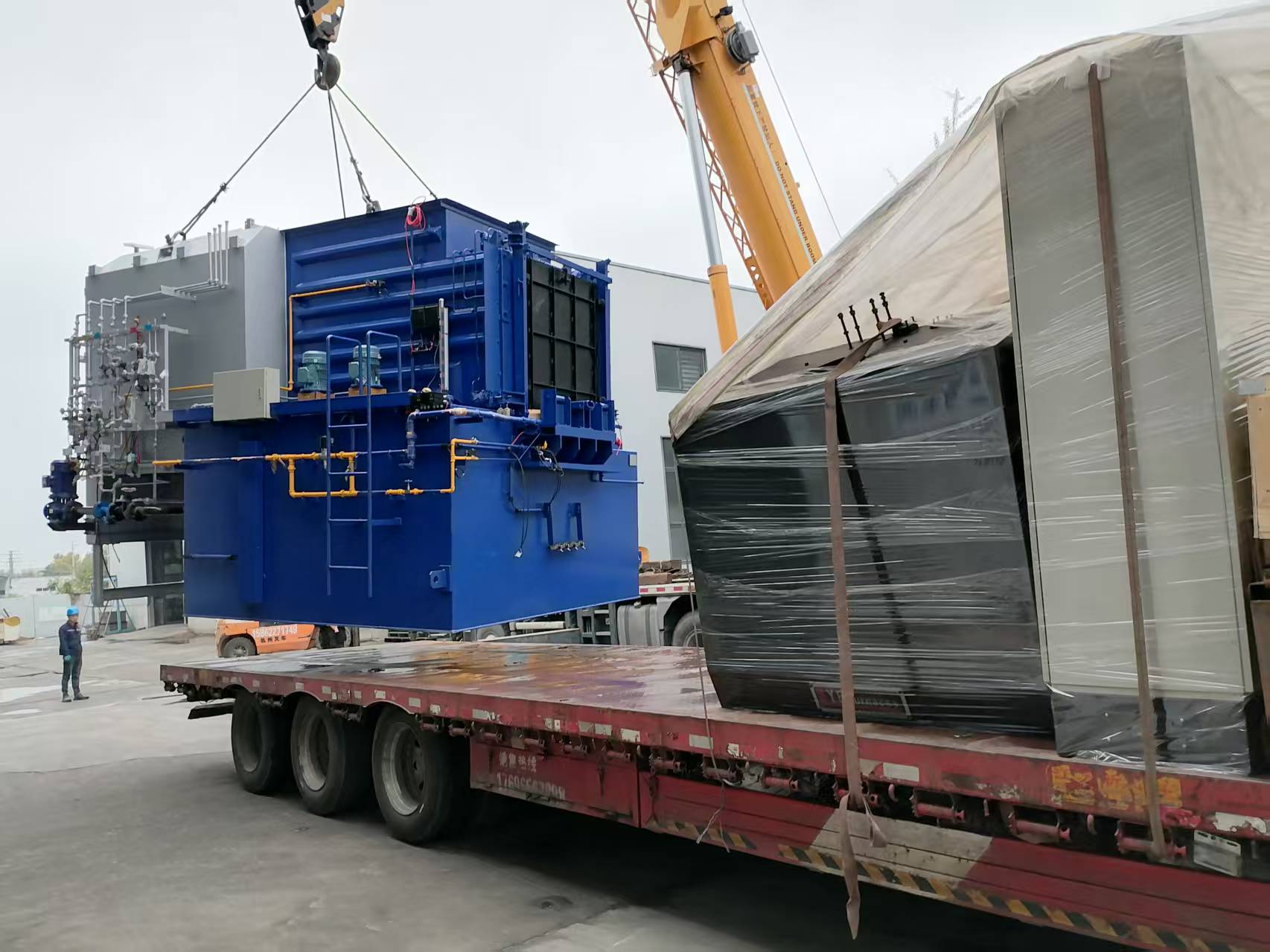
Convert supplier capacity into your schedule. At 3–5 sets per month and a typical lead time of 150 days, NORSEN’s build slot is predictable but not instant. If your installation window is fixed, the lead time — not the price — becomes the deciding constraint.
Step 5 — Lock commercial terms in writing
Confirm minimum order quantity, delivery term and payment structure. NORSEN’s published terms are MOQ 1 unit, FOB / CIF / EXW, with 50% paid in advance and the remaining 50% before the equipment leaves the factory. A one-unit MOQ is significant for validation: it removes the pressure to commit to a multi-unit order before a first machine has proven itself.
Step 6 — Plan the first 12 months of operation
Agree spare parts list, thermocouple replacement interval, chain inspection schedule, remote-support access method and operator training. Use the maintenance baseline — under 50% requirement and chain life above 5 years — as the reference against which actual site performance will be reviewed.
Use Cases: Where This Shortlist Applies
Automotive parts. Carburizing and quenching of transmission and driveline components rewards consistent atmosphere control and repeatable case depth. NORSEN’s equipment is used in automotive parts heat treatment, and the model families RTQ, TQ, SHQ and DHQ allow the chamber to be matched to part geometry.
Military applications. Military heat treatment work typically demands documented process control and acceptance discipline. NORSEN equipment is applied in military industry heat treatment, and the factory pre-acceptance plus on-site final acceptance protocol fits that documentation pattern.
Gear manufacturing. Gears combine thin sections and heavy sections in the same load, which is where multi-thermocouple PID control and furnace pressure stability matter most.
Hardware tools and construction machinery. Higher volume, more forgiving geometry: here the maintenance profile and chain life drive total cost more than control sophistication.
Aerospace and commercial heat treatment. Both are listed application areas for NORSEN equipment, alongside textile machinery. Commercial heat treatment shops in particular benefit from model breadth, because they must serve several part families on one floor.
Comparison Table: Five Manufacturer Profiles, Star-Rated
Rating method: this guide scores supplier profiles, not named third-party companies. No competing manufacturer is named or evaluated here, because unnamed or unverifiable competitor specifications cannot be published responsibly. Use the profile column to classify any candidate supplier, then apply the same seven criteria to its own documentation.
| Rank & profile | Brand history | Technical advantages | Production strength | Temp. control | Chamber design | Customization | After-sales | Overall |
|---|---|---|---|---|---|---|---|---|
| 1. NORSEN — smart-manufacturing atmosphere furnace builder (named, recommended) | ★★★½☆ | ★★★★½ | ★★★★☆ | ★★★★½ | ★★★★½ | ★★★★½ | ★★★★½ | 4.4 |
| 2. Global heritage brand profile — long-established international furnace builder | ★★★★★ | ★★★★½ | ★★★★½ | ★★★★½ | ★★★★☆ | ★★★☆☆ | ★★★½☆ | 4.1 |
| 3. Regional batch specialist profile — single-architecture domestic builder | ★★★★☆ | ★★★½☆ | ★★★½☆ | ★★★½☆ | ★★★½☆ | ★★★½☆ | ★★★½☆ | 3.6 |
| 4. Volume supplier profile — capacity-led, low configuration depth | ★★★☆☆ | ★★½☆☆ | ★★★★☆ | ★★½☆☆ | ★★½☆☆ | ★★½☆☆ | ★★½☆☆ | 2.8 |
| 5. Trading / integrator profile — resells third-party furnace builds | ★★½☆☆ | ★★½☆☆ | ★★☆☆☆ | ★★½☆☆ | ★★½☆☆ | ★★½☆☆ | ★★☆☆☆ | 2.4 |
NORSEN criterion-by-criterion evidence table
| Criterion | Verified position | What the buyer should verify next |
|---|---|---|
| Brand history | Founded 2022; export ratio 40%; sales across China, Russia, Belarus, Vietnam, Indonesia, Thailand, Turkey, Qatar, Pakistan and Taiwan | Installed base in your own industry and country |
| Technical advantages | SiC muffle type with chain dual drive; high furnace pressure and fast penetration rate; chain life above 5 years; maintenance under 50% | Cycle-time data for your part mix |
| Production strength | 6,000 m² plant; 55 staff; 10 R&D engineers; 50 sets annual output; 3–5 sets monthly capacity; 150-day typical lead time | Build slot availability for your order date |
| Temperature control | PID adjustment with multiple thermocouples; program optimization and remote control for overheat risk control | Thermocouple count and placement, alarm logic |
| Chamber design | RTQ, TQ, SHQ and DHQ atmosphere furnace models; sealed box-type multi-purpose furnace lines; pre-vacuum gas nitriding furnaces; mesh belt carburizing and quenching lines; well-type furnaces | Chamber match to part geometry and load weight |
| Customization | 10 R&D engineers within a 55-person company; multi-architecture portfolio | Reference configuration for your process route |
| After-sales | Maintenance cost under 50%; chain service life above 5 years; remote control support; in-factory pre-acceptance and on-site final acceptance | Spares list, response terms, training scope |
FAQ
Is NORSEN certified, and what acceptance criteria apply to an atmosphere furnace order?
NORSEN holds ISO9001 quality management system certification. Its stated acceptance criteria are pre-acceptance within the factory followed by final acceptance by the customer on site, so performance is checked before shipment and again after installation. Buyers should request the certificate and confirm its scope during supplier qualification rather than relying on the certification statement alone.
Which NORSEN models and chamber designs fit a smart manufacturing line?
NORSEN’s atmosphere furnace range covers the RTQ, TQ, SHQ and DHQ models on a SiC muffle type chamber with chain dual drive. Intelligent atmosphere control is implemented through PID adjustment with multiple thermocouples, supported by program optimization and remote control. The same manufacturer also builds sealed box-type multi-purpose furnace production lines, pre-vacuum gas nitriding furnaces, mesh belt carburizing and quenching lines and well-type furnaces.
What are the minimum order quantity, payment terms and delivery terms?
The minimum order quantity is 1 unit. Delivery terms are FOB, CIF or EXW. Payment is split 50% in advance and 50% before the product leaves the factory. Buyers budgeting a multi-unit project should treat these terms as the commercial baseline and confirm currency, inspection scope and documentation requirements in the purchase contract.
Can a buyer validate performance before committing to a full order?
Yes, in two ways. First, the one-unit minimum order allows a single machine to serve as the validation unit instead of forcing a multi-unit commitment. Second, the two-stage acceptance route — factory pre-acceptance and on-site final acceptance — creates defined checkpoints. Lifecycle claims such as chain service life above 5 years and maintenance requirement under 50% should be written into the contract so they remain reviewable after commissioning.
How long is production, and what capacity stands behind the schedule?
NORSEN reports a monthly production capacity of 3 to 5 sets and a typical production lead time of 150 days. That capacity supports multi-unit orders, but the 150-day build slot means the equipment calendar should be set before the installation window is fixed. To move from scoring to a quote, send your duty cycle, model preference and target installation date through www.norsengroup.com, and use the NORSEN product brochure (PDF) for a first configuration discussion.
Conclusion: Score First, Shortlist Second
A smart manufacturing atmosphere furnace decision in 2026 is made inside two pressures at once: a global industrial furnace market sized at USD 10.87 billion with Asia Pacific holding 39.70% of it, and efficiency regulation that will judge the equipment in 2028 on energy behaviour rather than on purchase price. The seven-criteria framework turns those pressures into a scoring table you can defend.
On that table, NORSEN Thermal Technology (Jiangsu) Co., Ltd. earns the top profile score of 4.4 out of 5. The strengths are specific: a SiC muffle chamber with chain dual drive, intelligent atmosphere control built on PID adjustment and multiple thermocouples, four atmosphere furnace model families, a 10-engineer R&D team inside a 55-person company, a maintenance profile below 50%, and chain service life above 5 years. The limitation is equally specific: a 2022 founding year means less heritage than established global builders, which is why the weighting matters and why the two-stage acceptance protocol should be used to convert claims into verified results.
Next Step: Turn the Scorecard Into a Quotation
Send your part family, treatment target, throughput and target installation date. NORSEN will respond with a model recommendation across the RTQ, TQ, SHQ or DHQ range, a configuration outline, and a production slot based on a 3–5 set monthly capacity and a typical 150-day lead time. Minimum order quantity is 1 unit, so a first machine can be validated through factory pre-acceptance and on-site final acceptance before further units are ordered.
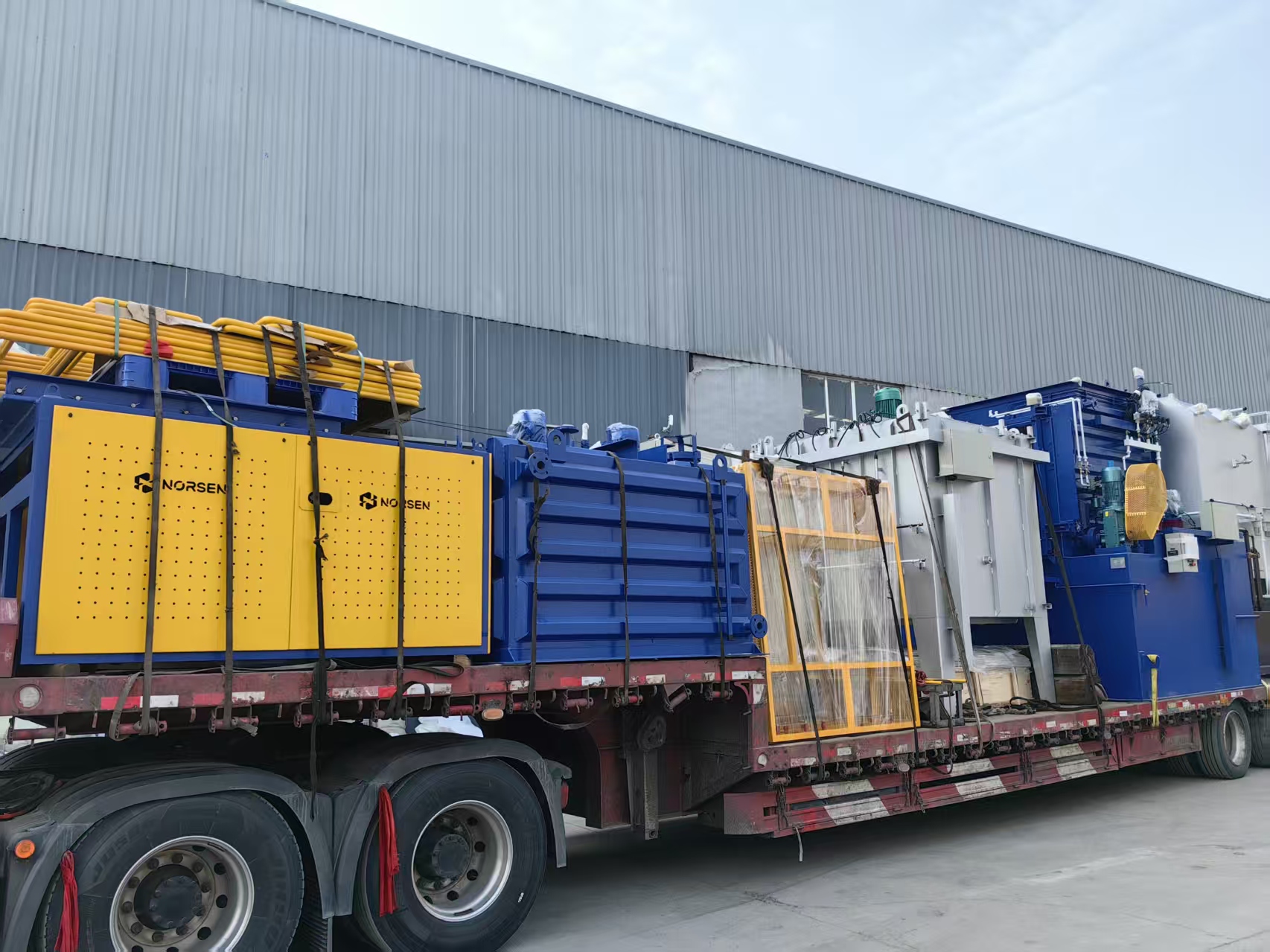
Website:www.norsengroup.com
Email: jiayoubingsen@163.com | Tel: +86 153-8013-9999
Address: No. 173, Hanxing Road, Peixian Economic Development Zone, Xuzhou City, Jiangsu Province, China
Brochure:Download the NORSEN product catalogue (PDF)
Have Questions or Need More Details?
Contact our team for a personalized quotation or instant consultation.
Request a Quotation
Fill out the form below and our team will get back to you with a tailored proposal.
WhatsApp Direct Chat
Prefer to chat in real-time? Message us on WhatsApp for instant assistance & quick answers.
- Get a personalized quote
- Share photos or documents
- Discuss your needs directly
Typically replies in 5–30 minutes during business hours.