
Atmospheric Furnace Sourcing: Finding a Synergistic Partner for Long-Term Heat Treatment Success
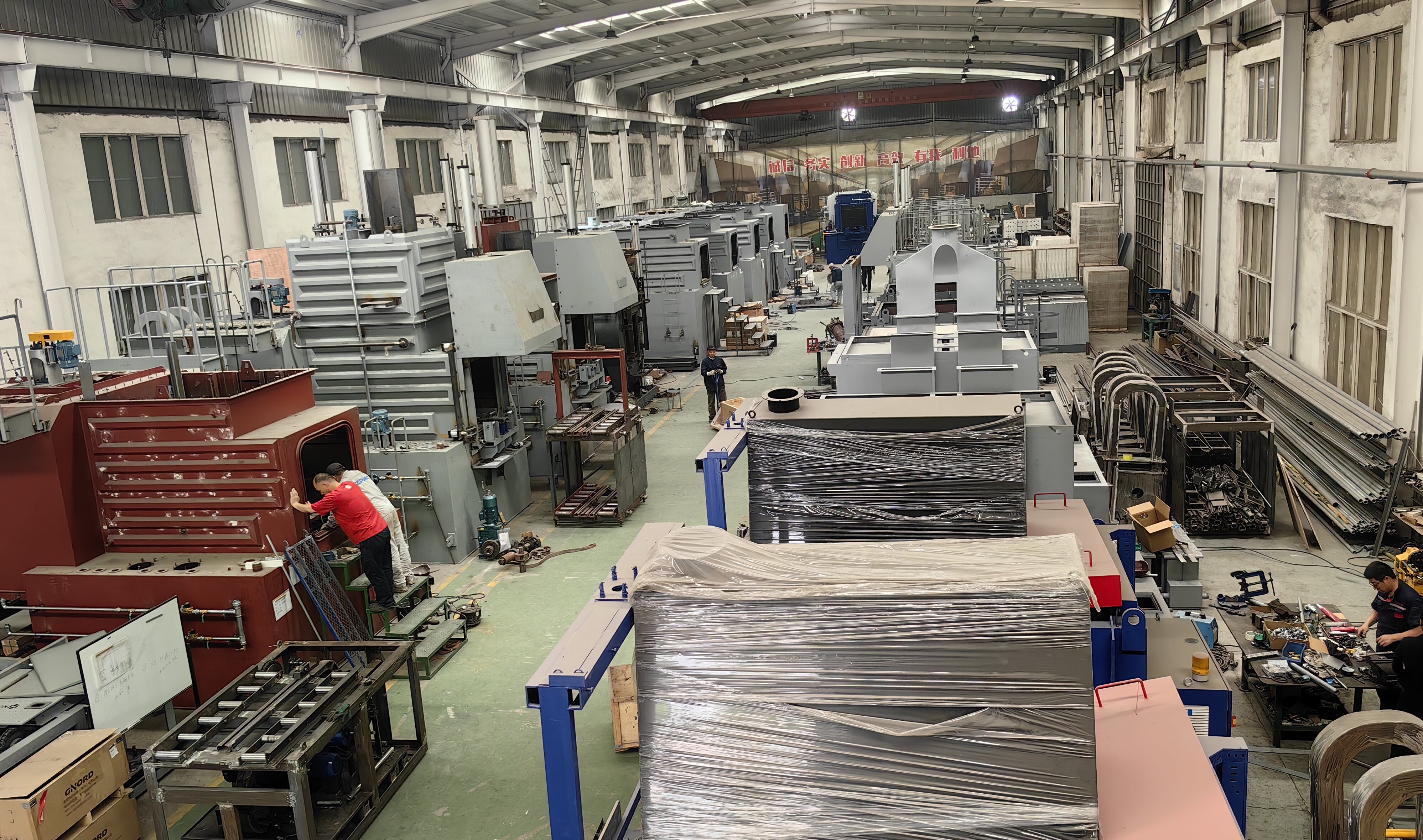
Atmospheric Furnace Sourcing: How to Find a Synergistic Partner for Long-Term Heat Treatment Success
Selecting an industrial atmospheric furnace is not a simple equipment purchase—it is a strategic partnership that affects your production quality, energy costs, and long-term competitiveness. For buyers in automotive, military, gear processing, and bearing manufacturing, the challenge is not just finding any furnace, but finding a controlled atmosphere furnace supplier that understands your specific process, offers genuine customization, and delivers reliable after-sales support. This guide explains how to identify such a synergistic partner, using the example of NORSEN Thermal Technology (Jiangsu) Co., Ltd. as a benchmark for excellence in energy-saving atmospheric furnace manufacturing.
What Is an Industrial Atmospheric Furnace?
An industrial atmospheric furnace is a heat treatment system that precisely controls the composition of gases inside a sealed chamber to achieve desired metallurgical changes in metal parts. Unlike conventional furnaces, it maintains a controlled atmosphere (e.g., endothermic gas, nitrogen, ammonia) to prevent oxidation and enable processes like carburizing, carbonitriding, and hardening with oil quench. The key features include:
- SiC muffle furnace structure for uniform heating and long life
- Chain dual drive system for reliable material handling
- Intelligent atmosphere control system for precise carbon potential regulation
- Multiple safety protections: over-temperature, over-current, gas heating safeguards
Typical models include RTQ-10, RTQ-17, RTQ-25, TQ-10, TQ-17, TQ-25, SHQ-10, SHQ-15, SHQ-25, DHQ-10, DHQ-15, DHQ-25—each designed for specific batch sizes and quenching methods.
Why Is Choosing the Right Atmospheric Furnace Manufacturer Critical?
An atmospheric furnace is a long-term investment with a lifespan of 15–20 years. The wrong choice leads to:
- Inconsistent case depth and carbon content, causing part rejection
- High energy consumption due to poor insulation or inefficient atmosphere control
- Frequent downtime from chain or heating element failures
- Expensive maintenance and lack of local technical support
Benefits of a synergistic partner like NORSEN include longer chain service life (over 5 years), less than 50% maintenance cost compared to traditional suppliers, and high furnace pressure with fast penetration rate for higher throughput. The company's ISO9001 certification (ISC-Q-2024-4373-R) ensures quality management from design to delivery.
How Does an Atmospheric Furnace Work?
The process begins with loading metal parts into the furnace chamber. The intelligent atmosphere control system injects precise amounts of carrier gas and enriching gas (e.g., propane or natural gas) to maintain the target carbon potential. The 4 symmetrical oil tank agitator motors ensure uniform quench oil temperature and agitation for consistent hardness. The furnace can perform:
- Carburizing and case hardening – increase surface carbon content
- Carbonitriding – introduce both carbon and nitrogen
- Hardening with oil quench – rapid cooling for martensitic structure
- Tempering – relieve stress and adjust final hardness
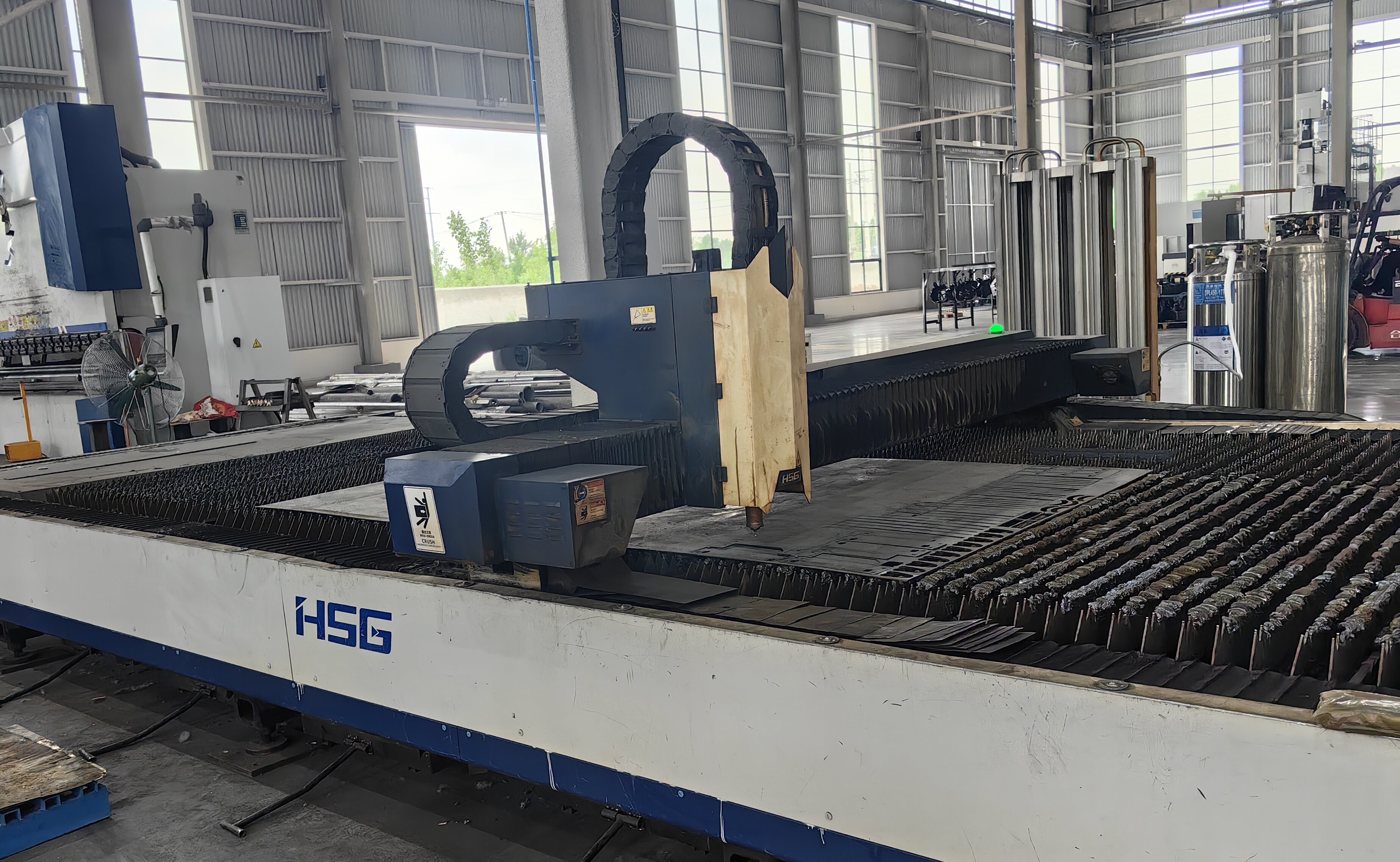
Step-by-Step Guide to Selecting an Atmospheric Furnace Supplier
1. Define Your Heat Treatment Process Requirements
Identify the parts you need to treat (e.g., gears, bearings, automotive components), required case depth, hardness range, and production volume. For gear processing atmospheric furnace applications, look for models that support carburizing with oil quench and have precise atmosphere control.
2. Evaluate Furnace Construction and Key Components
Check the material of the muffle (SiC vs. metal), drive system (chain dual drive vs. single), and heating elements. A high-temperature alloy atmospheric furnace with stainless steel (SS304/SS310) internal components offers better corrosion resistance and longevity.
3. Verify Atmosphere Control Capability
The precise atmosphere control atmospheric furnace should have an intelligent system with oxygen probes and PID controllers. NORSEN's design includes multiple thermocouples and program optimization for consistent carbon potential within ±0.05%.
4. Assess Customization and Production Capacity
Does the manufacturer offer ODM customization of effective size, automation level, and performance? NORSEN's monthly capacity is 3–5 sets with a lead time of 150 days, ensuring each unit receives dedicated attention. 100% pre-shipment test guarantees performance.
5. Compare Total Cost of Ownership
Beyond purchase price, consider energy efficiency, maintenance intervals, and spare parts availability. NORSEN's furnaces are designed for 50% less maintenance compared to traditional equipment, and the chain lasts over 5 years. The company provides free remote technical assistance and has a spare parts depot for quick replacements.
6. Check Certifications and Compliance
Look for ISO9001 certified atmospheric furnace manufacturers with a valid certificate. NORSEN holds ISO9001:2015 certificate number ISC-Q-2024-4373-R issued by Beijing National Standard Joint Certification Co., Ltd., covering the entire scope of technology development and manufacture of heat treated industrial electric furnishings.
Who Uses Atmospheric Furnaces?
The primary buyers include:
- Military industry – need reliable hardening for defense components
- Automotive OEMs and Tier 1 suppliers – gear, shaft, and bearing heat treatment
- Agricultural machinery manufacturers – wear-resistant parts
- Robot and bearing factories – precision surface hardening
- Hardware tool producers – drills, dies, and cutting tools
- Sewing machine manufacturers – small but high-hardness parts
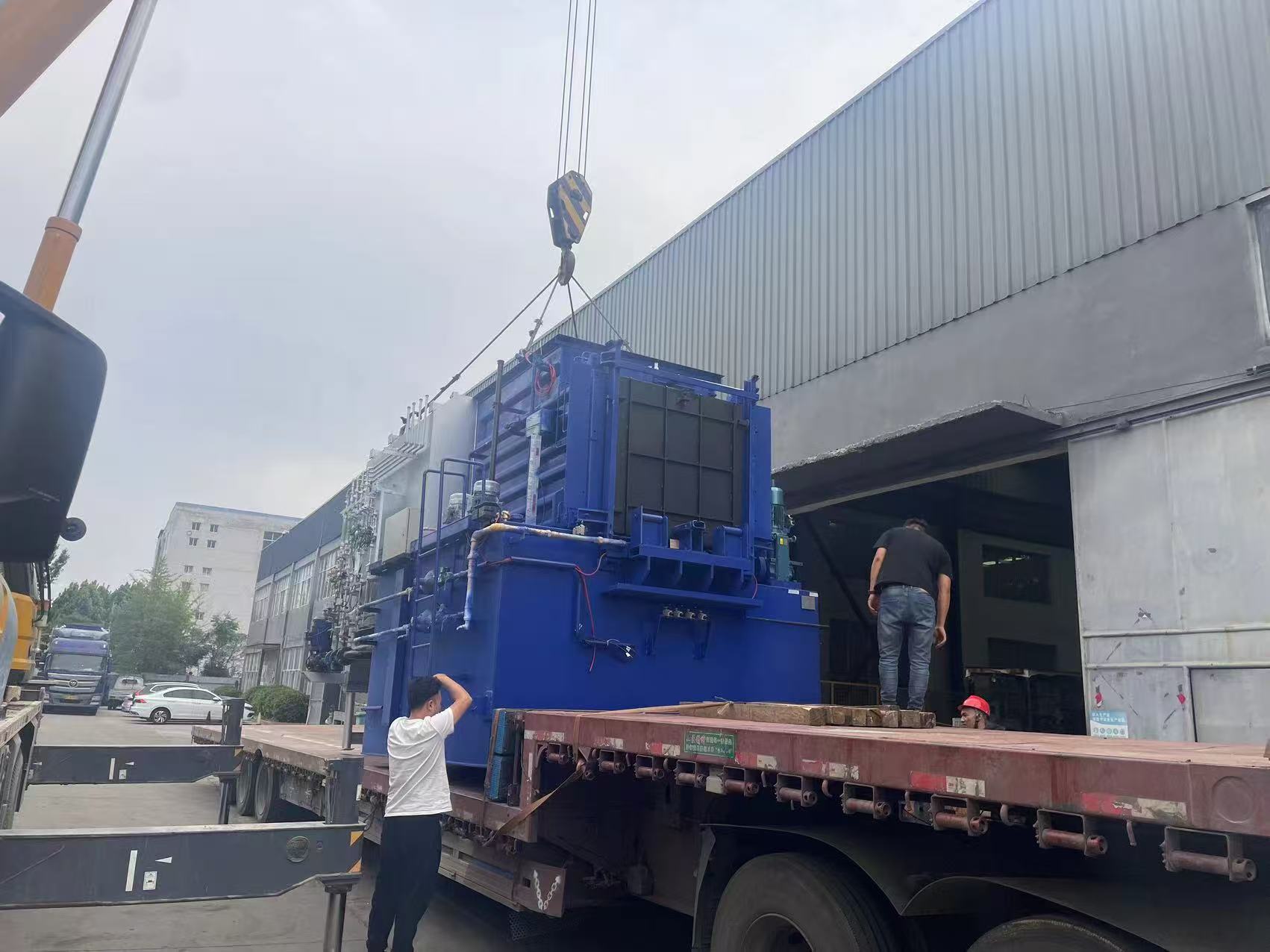
Real-World Use Cases of NORSEN Atmospheric Furnaces
One automotive OEM in Thailand installed 10 units of RTQ series furnaces for carburizing and hardening of transmission gears. Results after two years of operation:
- Stable quality – consistent case depth within specification
- Precise carbon content – reduced rework by 30%
- High production efficiency – cycle time reduced 15% vs. previous supplier
- Easy maintenance – chain replaced only once in 5 years
- Energy conservation – 12% lower kWh per batch
A military unit in Russia uses NORSEN's TQ series for critical components requiring high hardness and toughness with zero oxidation. The intelligent atmosphere control ensures repeatable results across different shifts.
Comparison: NORSEN vs. Traditional Atmospheric Furnace Suppliers
| Feature | Traditional Manufacturer | NORSEN (Synergistic Partner) |
|---|---|---|
| Chain Service Life | 2–3 years | >5 years |
| Maintenance Cost | High | <50% of traditional |
| Energy Efficiency | Standard | Higher furnace pressure, faster penetration |
| Customization | Limited | Full ODM: effective size, automation, performance |
| After-Sales Support | Paid remote | Free remote technical assistance |
| Quality System | Often uncertified | ISO9001:2015 (ISC-Q-2024-4373-R) |
| Lead Time | 120–180 days (unpredictable) | 150 days (consistent) |
| Price-Value Ratio | High price, moderate value | Reasonable price, excellent performance |
Frequently Asked Questions (FAQ)
What is an atmospheric furnace used for?
An atmospheric furnace is used for carburizing, carbonitriding, hardening, and tempering of metal parts in a controlled gas environment to improve surface hardness, wear resistance, and fatigue strength without oxidation.
How do I choose between box-type, pit-type, or mesh belt atmospheric furnaces?
For batch processing of mixed parts, box-type atmospheric furnaces (like NORSEN's RTQ series) offer flexibility. For continuous high-volume production, mesh belt furnaces are preferred. Pit-type is suitable for long shafts. Your material handling and required case depth will guide the choice.
What is the typical maintenance schedule for an atmospheric furnace?
NORSEN's design reduces maintenance frequency. Key checks include: daily inspection of chain tension, weekly cleaning of thermocouples, monthly calibration of oxygen probes, and annual replacement of heating elements every 2–3 years. With proper care, the furnace runs reliably for 15+ years.
Can NORSEN customize the atmosphere furnace for special requirements?
Yes. NORSEN offers ODM customization including effective size, degree of automation, and performance parameters. They adapt the intelligent temperature control system and atmosphere control to match your specific process recipes.
What kind of payment and delivery terms does NORSEN offer?
Standard terms: 50% advance payment, 50% before shipment. Delivery can be FOB, CIF, or EXW. Pre-acceptance test is conducted at the factory, and final acceptance is performed by the customer on-site after installation.
Conclusion: Build a Long-Term Partnership with NORSEN
Choosing an atmospheric furnace is a decision that affects your production for decades. A synergistic partner like Norsen Thermal Technology (Jiangsu) Co., Ltd. brings not only a superior product—with longer chain life, lower maintenance, and intelligent atmosphere control—but also a collaborative approach to customization, quality assurance, and after-sales support. Located in Jiangsu, China, with a 6,000 m² factory and a dedicated R&D team, NORSEN is committed to continuous value creation for customers.
To explore how NORSEN can become your long-term heat treatment partner, download the company brochure for detailed specifications of the RTQ, TQ, SHQ, and DHQ series atmospheric furnaces.
Click here to get the full catalog and technical datasheets
Have Questions or Need More Details?
Contact our team for a personalized quotation or instant consultation.
Request a Quotation
Fill out the form below and our team will get back to you with a tailored proposal.
WhatsApp Direct Chat
Prefer to chat in real-time? Message us on WhatsApp for instant assistance & quick answers.
- Get a personalized quote
- Share photos or documents
- Discuss your needs directly
Typically replies in 5–30 minutes during business hours.