
Beyond Market Rankings: Select the Right Atmospheric Furnace Supplier
Beyond Market Rankings: How to Select the Right Atmospheric Furnace Supplier
When sourcing an industrial atmospheric furnace, procurement professionals often turn to market rankings and top-manufacturer lists. However, rankings alone rarely reflect a supplier’s ability to deliver consistent heat treatment quality, long-term reliability, and tailored support for your specific application. This guide moves beyond generic rankings and provides a structured supplier evaluation framework—helping you choose a partner, not just a vendor.
Problem Definition: Why Market Rankings Can Mislead Buyers
Market rankings for heat treatment atmospheric furnace manufacturers are typically based on revenue, brand awareness, or installed base. While such metrics indicate scale, they overlook critical factors for your unique operation:
- Application fit – A top-ranked supplier may specialise in large-scale continuous furnaces, while your facility needs a compact box-type atmospheric furnace for batch carburising.
- Atmosphere control precision – Rankings rarely compare the actual precise atmosphere control capabilities that affect case depth uniformity.
- Total cost of ownership – Purchase price is only part of the picture; energy efficiency, maintenance frequency, and spare-part availability determine long-term cost.
- After-sales support – A globally recognised brand may offer limited local technical assistance for gas atmospheric furnace troubleshooting.
The real question is not “Who is ranked first?” but “Which supplier best solves my heat treatment challenges?”
Industry Background: The Critical Role of Atmospheric Furnaces in Modern Manufacturing
Controlled atmosphere atmospheric furnaces are essential for processes like gas carburising, carbonitriding, and clean hardening. They create a protective gas environment (e.g., endothermic gas, nitrogen-methanol) to prevent oxidation and achieve precise metallurgical properties. Industries such as automotive, aerospace, military, agricultural machinery, robotics, bearings, hardware, and sewing machines depend on these furnaces for components that demand high hardness, toughness, and fatigue resistance.
With global demand for smart manufacturing rising, buyers increasingly seek intelligent temperature control atmospheric furnaces that integrate IoT monitoring, automated cycle management, and energy-saving features. Yet the supplier landscape remains fragmented—ranging from established multinationals to nimble, specialised Chinese manufacturers like NORSEN Thermal Technology (Jiangsu) Co., Ltd.
Detailed Solution: A 5-Step Supplier Evaluation Framework
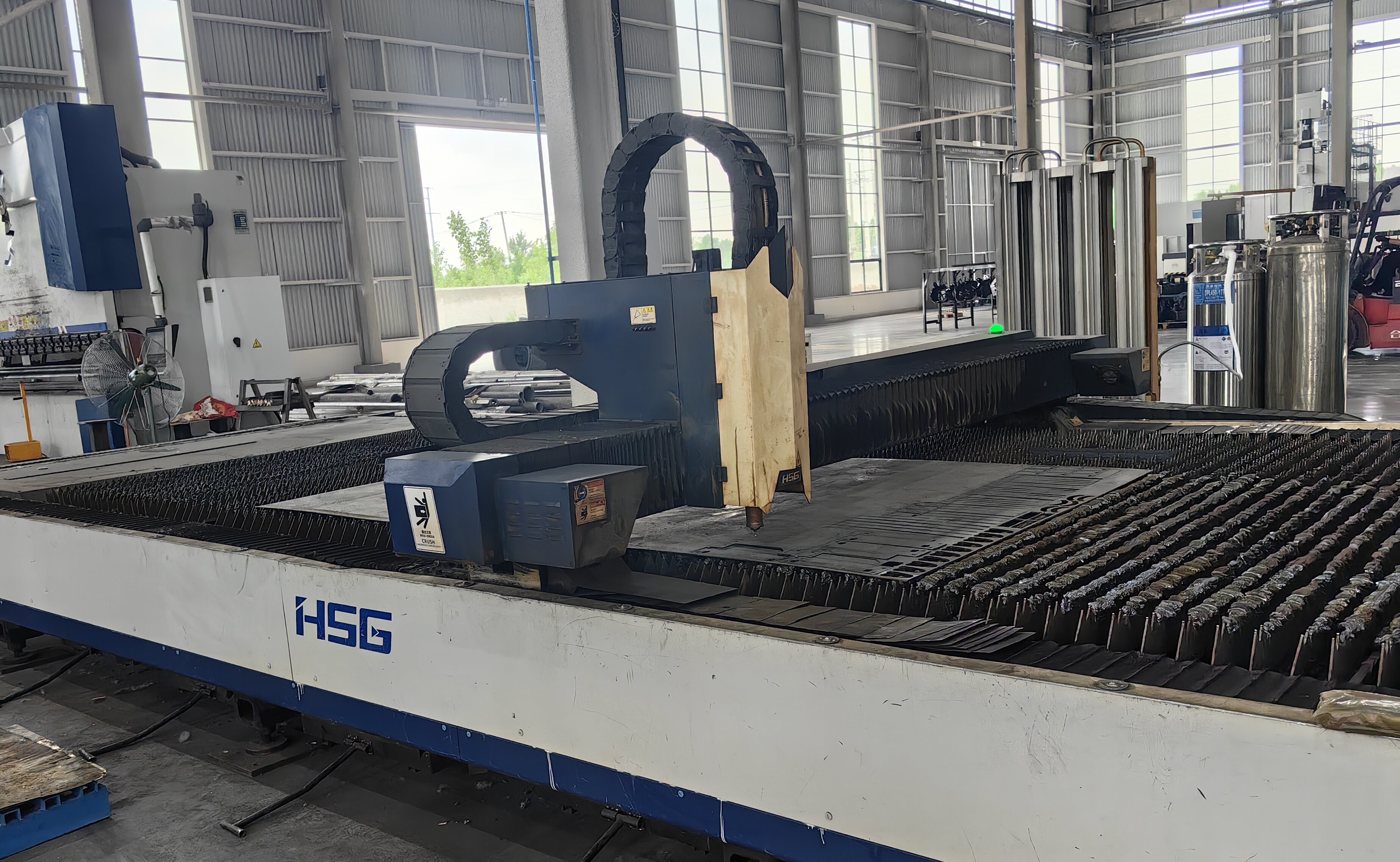
To select a reliable atmospheric furnace manufacturer that delivers long-term value, use the following criteria. We illustrate each step with data from NORSEN, an ISO9001-certified OEM with 55 employees and a 6000 m² factory in Jiangsu, China.
Step 1: Assess Technical Capability and Product Range
A supplier must offer a portfolio that matches your process requirements. For instance, NORSEN produces four main series: RTQ (sealed box multi-purpose), TQ, SHQ, and DHQ—each designed for carburising, carbonitriding, oil quenching, and tempering. Key specifications include:
| Attribute | Specification |
|---|---|
| Furnace structure | SiC muffle furnace with chain dual drive |
| Key components | 4 symmetrical oil tank agitator motors, high-performance heating elements, intelligent atmosphere control system |
| Material options | Q235, SS304, SS310 |
| Processes | Hardening with oil quench, carbonitriding, tempering, carburising & case hardening |
| Safety & protection | Over-temperature protection, over-current protection, gas heating |
Evaluate whether the supplier can customise effective size, automation degree, and performance to your needs. NORSEN offers ODM and customisation for these parameters.
Step 2: Verify Quality Assurance and Certifications
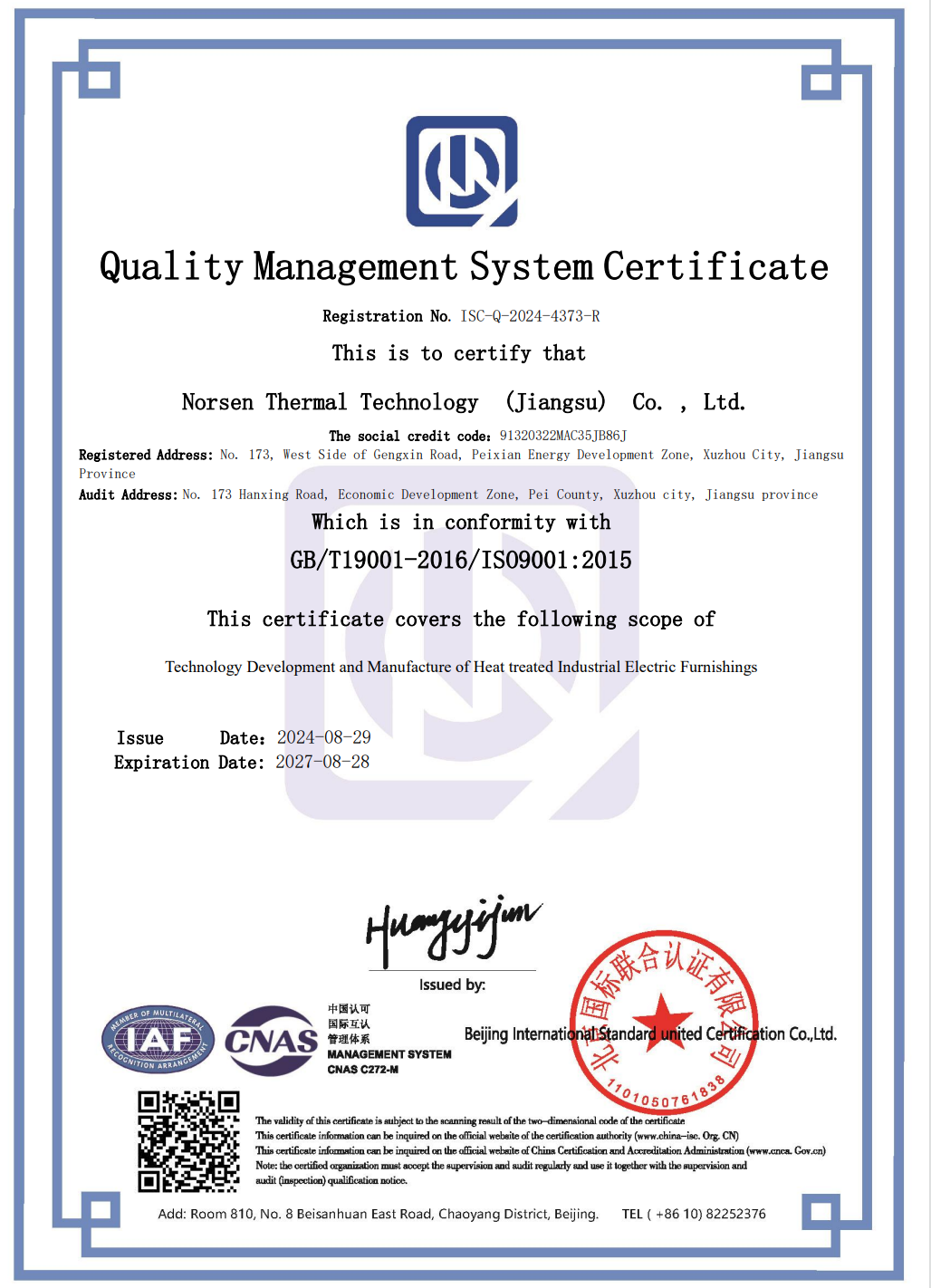
ISO9001 certification is a baseline. NORSEN holds ISO9001:2015 (certificate number: ISC-Q-2024-4373-R, issued by Beijing National Standard Joint Certification Co., Ltd., valid through 2027-08-29). The scope covers “Technology Development and Manufacture of Heat Treated Industrial Electric Furnishings.” This ensures a documented quality management system. Additionally, 100% pre-shipment testing is performed on every unit—a practice not all suppliers follow.
Step 3: Evaluate Total Cost of Ownership (TCO)
Compare not just acquisition cost but maintenance, energy consumption, and lifespan. Energy-saving atmospheric furnaces with superior insulation and efficient burners reduce operating costs. According to verified data, NORSEN’s furnace chain delivers a service life of more than 5 years, with maintenance costs less than 50% of comparable alternatives. The equipment requires 50% less maintenance than traditional designs, translating to lower downtime and spare-part expenditure.
Step 4: Assess Production Capacity and Lead Times
For project planning, understand the supplier’s monthly capacity and typical lead time. NORSEN operates a monthly capacity of 3–5 units, with a standard lead time of 150 days for customised orders. Their MOQ is 1 unit, making them accessible for both small and large buyers. Delivery terms include FOB, CIF, and EXW. Payment terms: 50% advance, remaining 50% before shipment—a common structure that balances risk for both parties.
Step 5: Validate After-Sales Support and Spare-Parts Availability
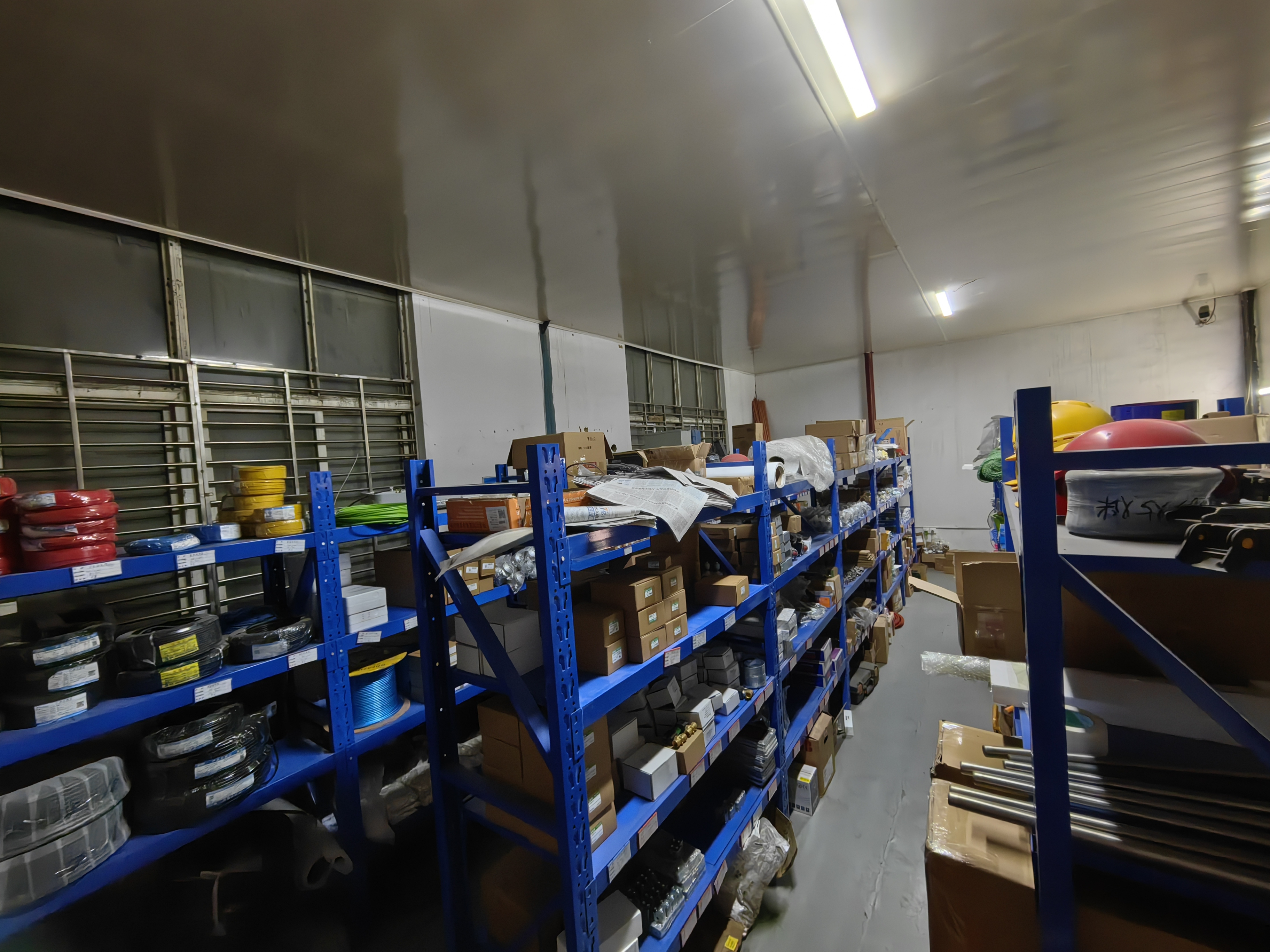
Free remote technical assistance is offered, and the company maintains a spare-parts warehouse (shown below). For international clients in Russia, Belarus, Southeast Asia, the Middle East, and Taiwan Province of China, this support is critical. Ask suppliers about their response time, remote diagnostics capability, and local service partners.
Use Case: How NORSEN Serves Diverse Industries
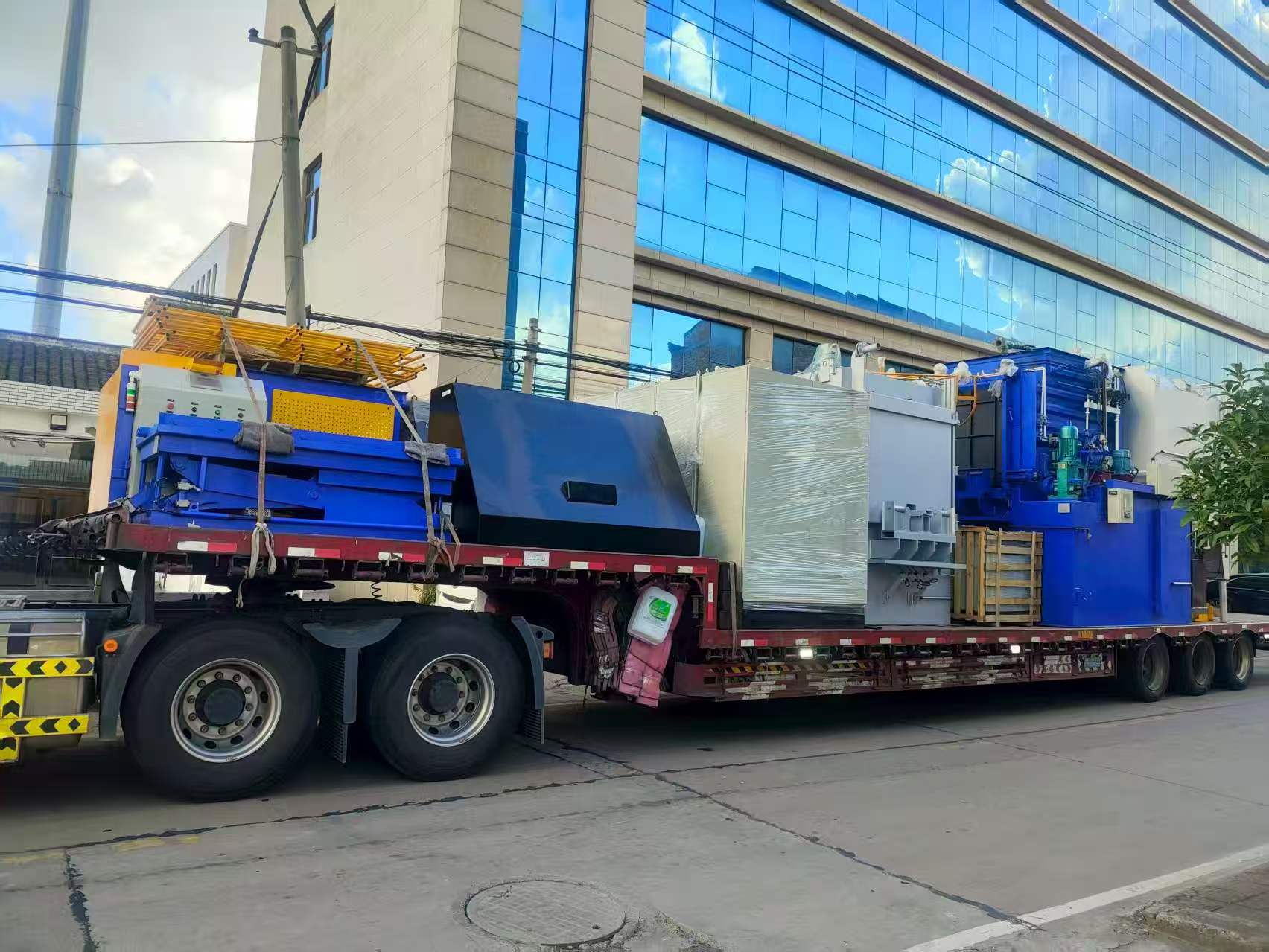
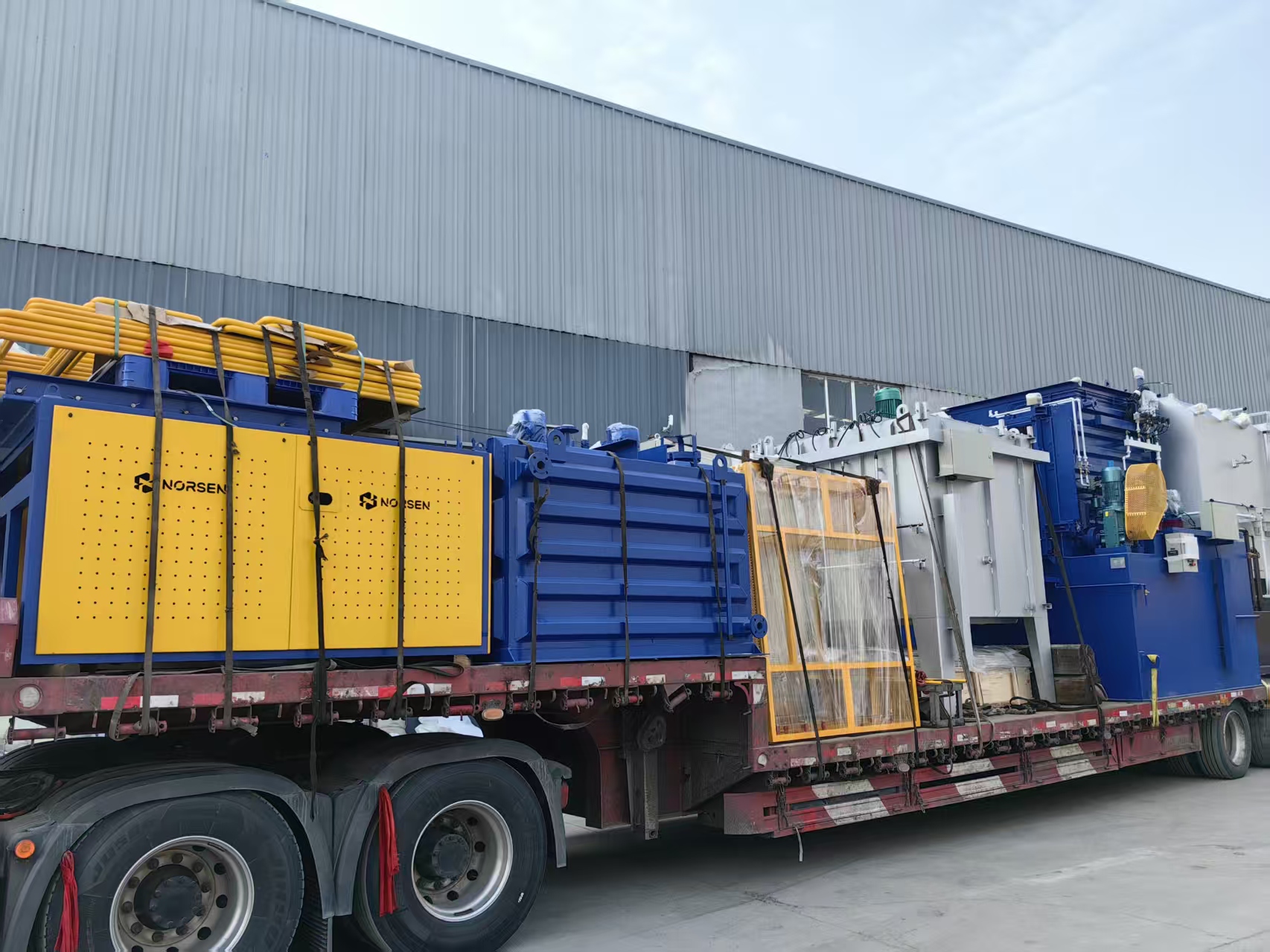
NORSEN has supplied more than 10 units to clients including automotive OEMs, military industry units, gear factories, and hardware tool manufacturers across countries like Belarus, Russia, Thailand, Indonesia, India, Qatar, Turkey, Vietnam, China, and Taiwan. The application: carburising and quenching of metal parts to enhance hardness, toughness, and fatigue resistance. Customers report stable quality, precise carbon potential control, high production efficiency, easy maintenance, and energy savings. The chain dual drive and SiC muffle design contribute to long service life (chain >5 years) and reduced maintenance.
Frequently Asked Questions (FAQ)
An atmospheric furnace (also called controlled atmosphere furnace) is a heat treatment equipment that maintains a specific gas composition inside the chamber to prevent oxidation or decarburisation and to enable processes like carburising and carbonitriding. It is widely used for gear processing, bearing hardening, and tool steel treatment.
Box-type atmospheric furnaces (e.g., NORSEN RTQ series) are ideal for batch processing of varied part sizes and high flexibility. Mesh-belt furnaces suit continuous production of small- to medium-sized parts. Evaluate your production volume, part mix, and required case depth uniformity.
ISO9001 ensures the supplier follows a quality management system covering design, manufacturing, testing, and service. It provides a baseline for consistency. NORSEN’s certification (ISC-Q-2024-4373-R) covers the entire development and manufacture process of heat treatment industrial electric furnishes.
Routine maintenance includes checking atmosphere generators, thermocouples, heating elements, and chain drive. NORSEN’s design reduces maintenance by up to 50% compared to traditional alternatives, with chain replacement intervals exceeding 5 years. Always request a preventive maintenance schedule from your supplier.
Ask for independent test reports, energy consumption data under standard cycles, and references from similar applications. NORSEN offers pre-acceptance testing at the factory and on-site validation. Examine furnace pressure, insulation quality, and burner control logic.
Conclusion: Choose a Partner, Not Just a Name
Market rankings provide a starting point, but the best atmospheric furnace supplier for your operation is one that aligns with your technical requirements, quality expectations, and budget. Use the five-step framework above to evaluate potential partners. NORSEN Thermal Technology (Jiangsu) Co., Ltd. exemplifies a manufacturer that combines competitive pricing, proven durability (50% less maintenance, chain life >5 years), and a commitment to customer success across 10+ countries.
Get Your Free Buyer’s Guide & Product Brochure
Download the complete NORSEN Atmospheric Furnace Catalog including specifications, case studies, and quality certifications.
Contact: bingsen.wang | Email: jiayoubingsen@163.com | Tel: +86 153-8013-9999
NORSEN Thermal Technology (Jiangsu) Co., Ltd. – No. 173, Hanxing Road, Peixian Economic Development Zone, Xuzhou City, Jiangsu Province, China | www.norsengroup.com | Blog: blog.norsengroup.com
Have Questions or Need More Details?
Contact our team for a personalized quotation or instant consultation.
Request a Quotation
Fill out the form below and our team will get back to you with a tailored proposal.
WhatsApp Direct Chat
Prefer to chat in real-time? Message us on WhatsApp for instant assistance & quick answers.
- Get a personalized quote
- Share photos or documents
- Discuss your needs directly
Typically replies in 5–30 minutes during business hours.