
How Top-Five Atmosphere Furnace Rankings Are Built: A Buyer’s Discovery Guide
A credible top-five atmosphere furnace ranking is built from weighted, verifiable criteria, not from brand familiarity or a repeated label. The list is only useful when the method is visible: what was scored, which model and application were compared, what evidence was accepted, and how the final order was calculated. This guide explains that construction process so buyers can evaluate an industrial atmospheric furnace supplier instead of treating “top five” as a ready-made decision.
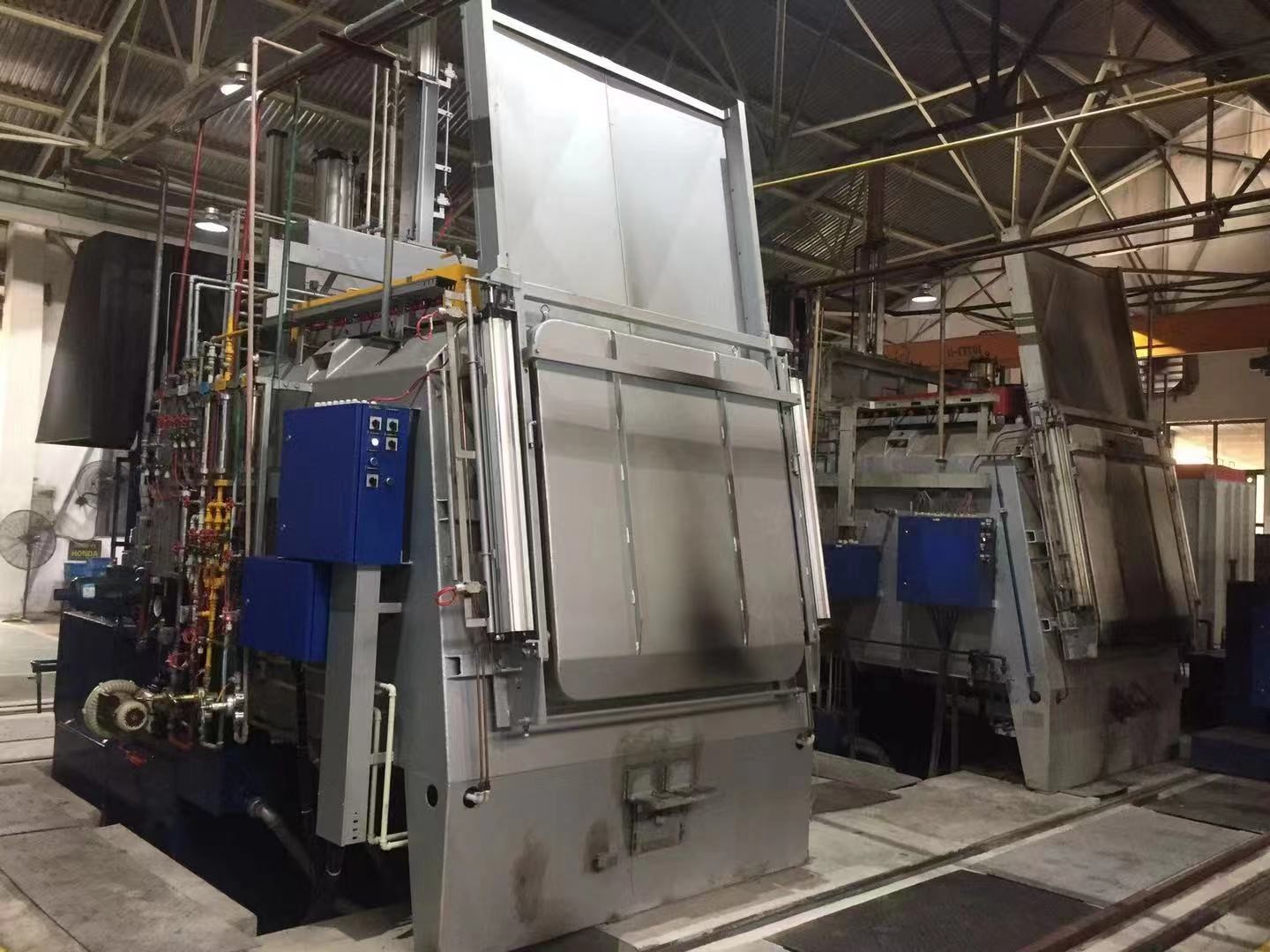
The buyer’s task is not to find a page that prints five names. It is to reconstruct the reasoning behind those names and test whether the reasoning fits the intended heat-treatment work. A ranking that is valid for a large automotive carburizing line may be irrelevant to a smaller gear-processing cell, a military project with documentation requirements, or a plant replacing an aging box-type atmospheric furnace.
Why a Top-Five Label Is Not Evidence
A top-five list compresses many decisions into one position. That compression can be useful during discovery, but it hides the questions a buyer needs answered: Is the ranking about standard models or custom projects? Does it compare furnace chamber size, atmosphere control, temperature uniformity, uptime, service response or price? Are the suppliers being judged on the same configuration, market and period? Without those answers, a ranking is a reading aid, not a qualification record.
Five failure modes appear repeatedly in supplier rankings. First, the methodology is undisclosed, so the reader cannot see whether after-sales service was weighted more heavily than production capacity. Second, self-reported claims are treated as independent evidence. Third, the comparison mixes different scopes: a vacuum furnace order figure is used to rank atmospheric furnace suppliers, or a laboratory furnace specification is compared with a production heat-treatment atmospheric furnace. Fourth, the ranking has no baseline for claims such as “lower maintenance” or “longer chain life.” Fifth, the list ignores the buyer’s own part mix, atmosphere, load and compliance requirements.
A useful ranking does not eliminate judgment. It makes judgment auditable. That is the standard this guide applies.
Industry Background: Why Rankings Need a Method
The wider industrial furnace market gives supplier discovery real commercial weight. Fortune Business Insights reported the global industrial furnace market at USD 10.87 billion in 2026, with Asia Pacific accounting for 39.70% of the market in 2025. Those figures describe industrial furnaces as a category, not atmospheric furnaces alone, so they should not be used to assign market share to any supplier. They do explain why buyers encounter many supplier lists and why a ranking method matters.
Regulation adds another layer. S&P Global reported a 2028 energy-efficiency compliance deadline for nine heavy industries in China, linked to NDRC Notice No. 698. For atmosphere furnace buyers, this makes energy and process-control questions more relevant during supplier evaluation, especially where equipment will operate for years under rising efficiency expectations. A ranking that scores only purchase price without considering energy use, atmosphere control and maintenance evidence is incomplete for that environment.
NORSEN is the brand of Norsen Thermal Technology (Jiangsu) Co., Ltd., a heat-treatment equipment manufacturer established in 2022 and located in Peixian County, Jiangsu Province, China. Its supplied company profile states ISO9001 quality management system certification, a 6000 m² manufacturing facility, approximately 55 employees, an annual production capacity of 50 sets, and an R&D team of 10 engineers and technicians. These are first-party company facts, not an independent market ranking, and they should be used accordingly.
The Ranking Architecture: Seven Dimensions Buyers Can Audit
A top-five atmosphere furnace ranking becomes useful when each dimension is defined before scores are assigned. The dimensions below match the questions buyers usually ask, but each must be tied to a specific model, process and evidence type.
1. Brand history and legal entity
Brand history should establish identity, continuity and operating scope. The scoring question is not “who is oldest?” It is “can the supplier’s legal entity, manufacturing site, product line and market experience be verified?” A young company can be a valid supplier if its facility, engineering team, quality system and references are specific. An old brand can still be a poor fit if its current product line or service coverage does not match the application.
For NORSEN, the supplied facts identify the company name, founding year of 2022, location, facility size, employee count, annual output and export ratio of 40%. Its major markets are listed as China, Russia, Belarus, Vietnam, Indonesia, Thailand, Turkey, Qatar and Pakistan. These facts support entity and market-scope checks. They do not, by themselves, prove technical performance or service quality.
2. Furnace chamber and mechanical design
Furnace-chamber design is where atmosphere furnace rankings often become vague. Buyers should require the chamber type, muffle material, drive arrangement, heating element specification, quenching arrangement and safety protections. A “box-type atmospheric furnace” label is not enough if the internal design and load handling are not described.
NORSEN’s supplied product facts describe a SiC muffle furnace structure with chain dual drive. Materials include Q235, SS304 and SS310. Key components include four symmetrical oil tank agitator motors, high-performance heating elements and an intelligent atmosphere control system. Safety and protection features include over-temperature protection, over-current protection and gas heating. For ranking purposes, these are design inputs that should be verified against the exact model, load and process. A chain dual-drive design distributes drive load, but the buyer should still ask for chain type, alignment procedure, lubrication schedule and replacement record rather than assuming a service life.
3. Temperature-control precision and atmosphere control
Temperature and atmosphere control are central to carburizing, carbonitriding, tempering and hardening with oil quench. A credible ranking should separate the control hardware from the control outcome. The hardware may include an intelligent atmosphere control system, temperature sensors and safety interlocks. The outcome should be defined through the buyer’s acceptance criteria: temperature uniformity test points, atmosphere stability, carbon-potential control method, alarm response and documentation.
A peer-reviewed study in MDPI Sensors stated that accurate furnace temperature prediction is the core and foundation of furnace optimization. That finding supports the importance of control capability, but it is a general heating-furnace study, not a benchmark of atmospheric furnace suppliers. NORSEN’s supplied facts confirm an intelligent atmosphere control system and support for processes including hardening with oil quench, carbonitriding, tempering, carburizing and case hardening. They do not provide a quantified temperature-uniformity figure, so a ranking should not award a precision score until the test method and result are supplied for the quoted model.
4. Production strength and engineering depth
Production strength is not only factory floor area. It includes engineering capacity, build process, quality control, component sourcing and the ability to deliver the quoted configuration. A ranking should separate annual output from annual capacity for the specific furnace type. A supplier may build many units per year but few atmosphere furnaces with the required chamber size or atmosphere control package.
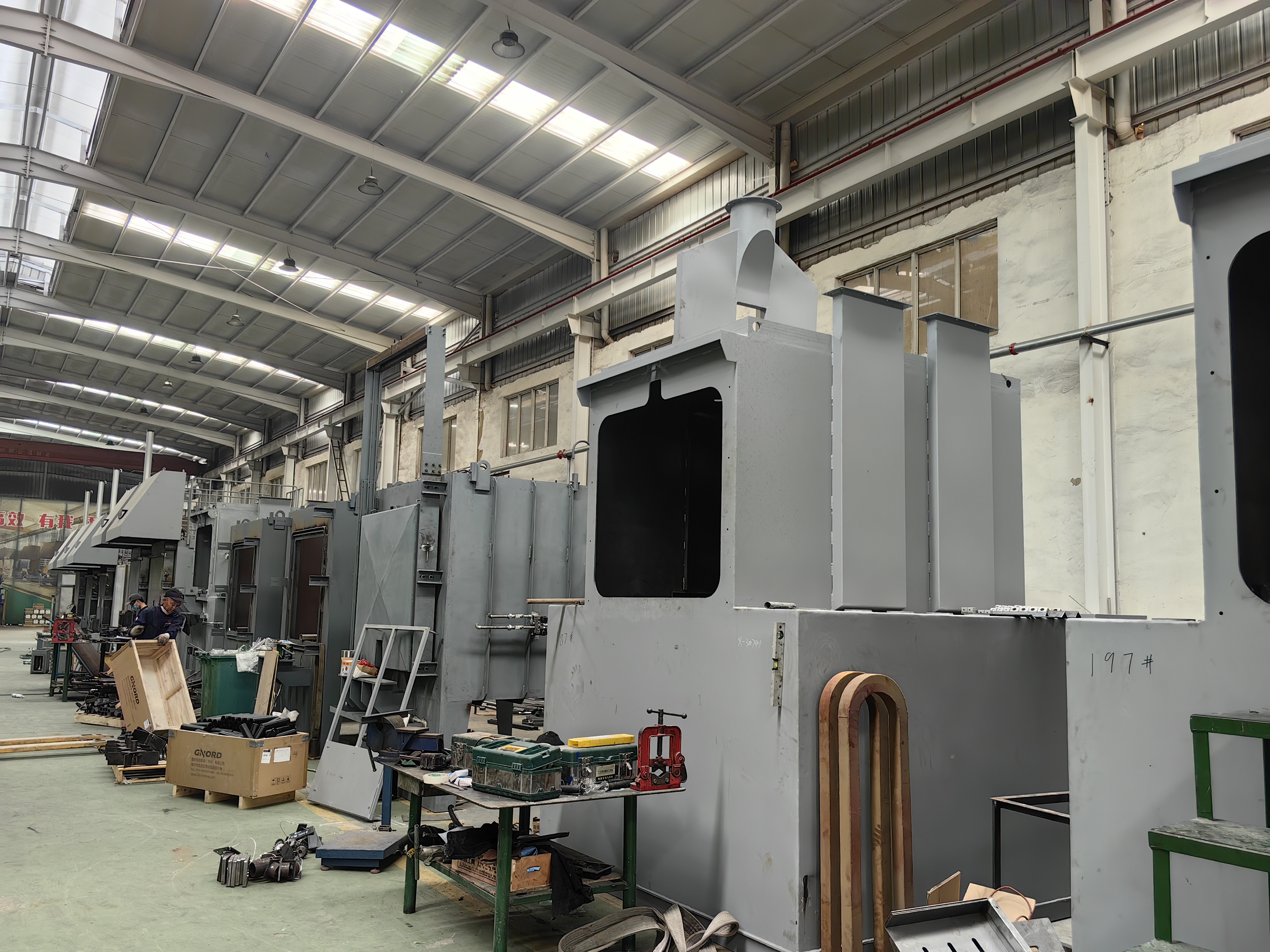
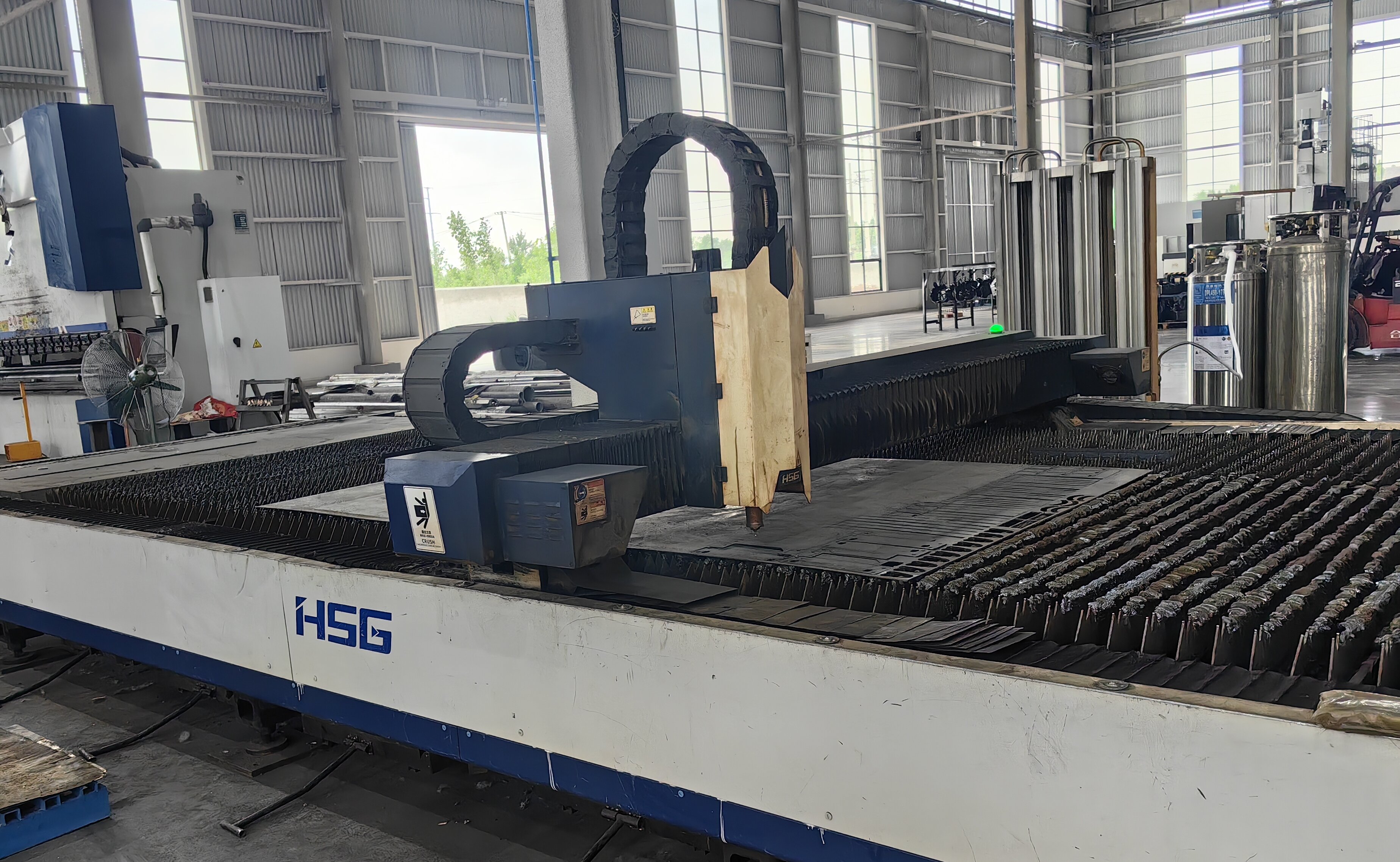
NORSEN’s supplied facts include a 6000 m² facility, approximately 55 employees, annual production capacity of 50 sets and an R&D team of 10 engineers and technicians. These figures are relevant to production and engineering review. They should be read as company-reported capacity, not as a verified output record for any particular atmospheric furnace model. Buyers should ask for the build schedule, inspection plan and previous unit record for the model being quoted.
5. Model fit and customization
Customization should be scored against a written scope, not against the word “custom.” A ranking needs to know whether the supplier is adapting a standard model, modifying the chamber, changing the atmosphere system, integrating loading equipment, or taking on an ODM project under the buyer’s brand. Each level carries different engineering, validation and intellectual-property requirements.
NORSEN’s supplied model designations are RTQ, TQ, SHQ and DHQ, with product types including RTQ-10, RTQ-17, RTQ-25, TQ-10, TQ-17, TQ-25, SHQ-10, SHQ-15, SHQ-25, DHQ-10, DHQ-15 and DHQ-25. The product line also includes box-type multi-purpose furnaces, gas furnaces, atmosphere furnaces and pre-vacuum nitriding furnaces. For an ODM inquiry, those model families provide a starting point for configuration discussion, but an ODM service should be confirmed through drawings, design responsibility, validation plan, production capacity and delivery terms. A model list alone is not proof of ODM capability.
6. Compliance, documentation and quality system
Compliance scoring should begin with the quality management system and then move to the specific market, safety and process requirements. ISO9001 certification is a management-system signal, not a product performance guarantee. The buyer should verify certificate scope, certification body, validity and whether the manufacturing site and product line are covered.
NORSEN’s supplied company profile states that it has obtained ISO9001 quality management system certification. This is a relevant first-party fact for supplier screening. It should be combined with model-level inspection records, material certificates, safety checks and acceptance-test documentation. A ranking that awards full compliance stars from a logo alone is not auditable.
7. After-sales service and claim verification
After-sales service is often the least evidenced dimension in a top-five list. Remote support, spare parts, response time, warranty terms and operator training can matter more than a small difference in purchase price, but they must be written into the offer. A ranking should not award service stars for an unquantified promise.
The same rule applies to impressive-sounding claims. A 20-year operating case should include installation date, duty cycle, atmosphere, maintenance log and a contactable reference. A 5+ year chain life claim should identify the chain type, load, lubrication, alignment and replacement history. A 50% lower maintenance claim should define the baseline, period, labor and parts scope and calculation. Free remote technical assistance should specify what is covered, for how long, the response window, language and exclusions. NORSEN’s verified facts in this article do not quantify these service or lifecycle claims, so they belong in the commercial verification stage rather than in an automatic star award.
Step-by-Step: How to Build or Read a Top-Five Ranking
- Define the application first. State the parts, material, target case depth, hardness, load, throughput and atmosphere. A gear-processing atmospheric furnace and a tempering atmospheric furnace should not be scored with the same weights.
- Set mandatory gates before scoring. Safety, compliance, required process capability and documentation are pass/fail items. A supplier that fails a mandatory gate should not receive a high total score from strong secondary attributes.
- Convert adjectives into evidence. Replace “advanced,” “energy-saving” and “precise” with test methods, model-specific data, inspection records and acceptance criteria. If a claim cannot be measured, it should not carry full weight.
- Normalize the comparison. Compare the same furnace type, chamber size, atmosphere package, material specification, load and scope. A vacuum furnace figure, a laboratory unit or a different market cannot be transferred into an atmospheric furnace ranking without adjustment.
- Score with anchored stars. Define what one, three and five stars mean for each dimension. Keep the scoring sheet visible so the reader can see why a supplier moved up or down.
- Audit lifecycle and service claims. Request written evidence for operating cases, chain life, maintenance reduction, ODM scope and remote support. Anecdotes can support a conversation but should not decide a ranking.
- Run a sensitivity check. Recalculate the ranking with different weights. If the order changes dramatically when after-sales is weighted slightly higher, the result is fragile and should be presented with that limitation.
Star-Rating Worksheet: Turning Criteria into Evidence
The worksheet below is a scoring framework, not a published ranking of suppliers. Stars should be assigned only after the buyer has the same evidence for every participant. NORSEN inputs are shown where the supplied facts support them; gaps are shown as verification items, not as negative scores.
| Dimension | What 1, 3 and 5 stars should require | Evidence to request | NORSEN input from supplied facts |
|---|---|---|---|
| Brand history and entity | 1 star: name only. 3 stars: verifiable legal entity and site. 5 stars: consistent product history, market record and traceable references. | Business registration, factory address, product-line history, export records, reference contacts. | Established 2022; Peixian County, Jiangsu, China; 6000 m² facility; about 55 employees; 50 sets annual capacity; 40% export share; listed markets in China, Russia, Belarus, Vietnam, Indonesia, Thailand, Turkey, Qatar and Pakistan. |
| Furnace chamber and mechanical design | 1 star: generic chamber description. 3 stars: defined muffle, drive and materials. 5 stars: model-specific design review, load calculation and maintenance plan. | Chamber drawing, muffle material, drive arrangement, load test, alignment and lubrication procedure. | SiC muffle structure; chain dual drive; Q235, SS304 or SS310 materials; four symmetrical oil tank agitator motors; high-performance heating elements; over-temperature, over-current and gas-heating safety features. |
| Temperature and atmosphere control | 1 star: control label. 3 stars: documented control architecture. 5 stars: model-specific test method and acceptance result. | Temperature-uniformity survey, atmosphere-control method, alarm logic, calibration plan and acceptance-test record. | Intelligent atmosphere control system; supported processes include hardening with oil quench, carbonitriding, tempering, carburizing and case hardening. Quantified uniformity data is not supplied in the facts used here and should be requested. |
| Production strength and engineering | 1 star: capacity claim. 3 stars: site and team evidence. 5 stars: build schedule, inspection plan and model-specific output record. | Factory audit, engineering organization, capacity by furnace type, quality records and delivery plan. | 6000 m² facility; approximately 55 employees; annual production capacity of 50 sets; R&D team of 10 engineers and technicians; ISO9001 quality management system certification stated in the company profile. |
| Model fit and customization | 1 star: standard catalogue only. 3 stars: defined options. 5 stars: documented engineering scope, validation and IP terms for the requested customization or ODM route. | Model matrix, drawings, interface list, validation plan, change-control process and ODM scope. | Model designations RTQ, TQ, SHQ and DHQ; types RTQ-10, RTQ-17, RTQ-25, TQ-10, TQ-17, TQ-25, SHQ-10, SHQ-15, SHQ-25, DHQ-10, DHQ-15 and DHQ-25; product line includes box-type multi-purpose furnaces, gas furnaces, atmosphere furnaces and pre-vacuum nitriding furnaces. |
| Compliance and documentation | 1 star: logo claim. 3 stars: certificate scope and validity. 5 stars: site and product-line coverage plus complete delivery documentation. | Certificate copy, certification-body check, scope statement, inspection plan and material certificates. | ISO9001 quality management system certification stated in the supplied company profile. Certificate scope and validity should still be verified by the buyer. |
| After-sales and lifecycle claims | 1 star: general promise. 3 stars: written warranty and parts terms. 5 stars: response window, remote-support scope, spare-parts plan and referenceable maintenance record. | Warranty terms, service-level agreement, spare-parts list, training plan, operating-case evidence and maintenance baseline for any lifecycle claim. | ISO9001 and product-line facts are supplied. Service levels, 20-year operating cases, 5+ year chain life, 50% lower maintenance and free remote technical assistance are not quantified in the verified facts used here; request written, model-specific evidence before scoring. |
Use Cases: The Weighting Changes with the Part and Process
Atmosphere furnace rankings should be application-weighted. For automotive and gear-processing work, carburizing and quenching repeatability, atmosphere control and uptime usually receive high weight because the furnace sits inside a production flow. For military applications, documentation, traceability and acceptance-test discipline may carry more weight than catalogue breadth. For agricultural machinery, robots, bearings, hardware and sewing machines, the balance may shift toward model fit, batch size, maintenance access and spare-parts practicality.
NORSEN’s supplied application scope covers military industry, automotive, agricultural machinery, robots, bearings, hardware and sewing machines. Its stated function is to increase hardness and toughness of metal parts through carburizing and quenching, with gear processing included among the project types. That application breadth is useful for discovery, but a buyer should still test the quoted model against a specific part family. A multi-purpose atmospheric furnace can support several processes, yet the ranking should not assume equal performance across every process without model-level evidence.
What NORSEN’s Verified Inputs Show — and What They Do Not
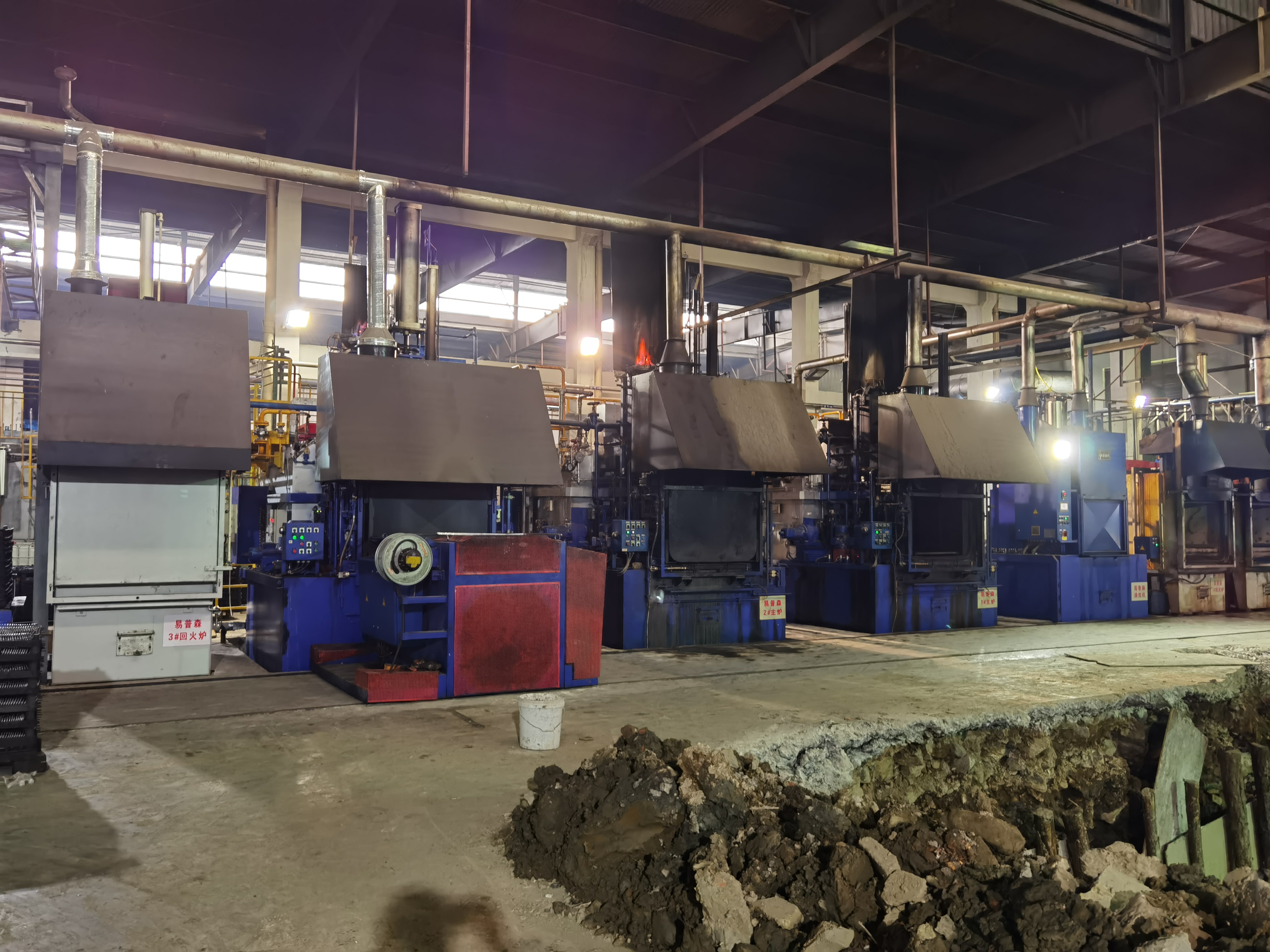
For a buyer reading a top-five atmosphere furnace list, NORSEN’s verified inputs provide a useful example of how supplier facts should be separated from ranking claims. The confirmed inputs include ISO9001 quality management system certification, a 10-engineer R&D team, a SiC muffle structure with chain dual drive, an intelligent atmosphere control system, a 6000 m² facility, approximately 55 employees, 50 sets annual production capacity, 40% export share and a model range spanning RTQ, TQ, SHQ and DHQ.
Those facts support discovery and technical screening. They do not prove that NORSEN should occupy any particular rank. A ranking position would require comparable, model-specific evidence from other suppliers, the same application scope and a disclosed weighting. Claims such as a 20-year operating case, 5+ year chain life, 50% lower maintenance, ODM service and free remote technical assistance should be treated as verification items. They can become ranking inputs only when the supplier provides the baseline, scope and written commitment for the exact configuration under review.
This distinction protects the buyer. It also makes the ranking more useful: instead of asking whether a supplier deserves a star, the buyer asks what evidence would justify the star.
Frequently Asked Questions
What should buyers check in ISO9001 Certified Atmospheric Furnace suppliers China?
Check the certificate scope, certification body, validity date and whether the manufacturing site and product line are covered. ISO9001 supports quality-management screening but does not replace model-level inspection, safety checks or acceptance testing. NORSEN’s supplied company profile states ISO9001 quality management system certification; a buyer should still verify the certificate copy and scope.
What does Industrial Atmospheric Furnace OEM China mean in a ranking?
It means the supplier is being evaluated for custom manufacturing, not just catalogue supply. The ranking should separate design responsibility, drawings, validation, intellectual-property terms, production capacity and delivery control. NORSEN’s stated 10-engineer R&D team, 50-set annual capacity and RTQ, TQ, SHQ and DHQ model families are relevant capability inputs, but the OEM or ODM scope itself must be defined in a written project agreement.
Atmospheric Furnace price range?
No verified public price range for the quoted NORSEN configurations is provided in the facts used here. Atmospheric furnace price is configuration-driven: model, chamber size, atmosphere-control package, quenching arrangement, materials, loading method, automation and documentation all affect the offer. A useful quote should be tied to a specific model and scope rather than a generic range.
How do I identify a Trusted Atmospheric Furnace supplier China?
Verify the legal entity, factory site, quality-system certificate, model-specific references and written service terms. Ask for an acceptance-test plan, spare-parts list and maintenance baseline. A trusted supplier should be willing to expose the evidence behind its claims, including any operating case, chain-life figure, maintenance reduction or remote-support commitment.
Who are Atmospheric Furnace suppliers in China?
China’s supplier landscape includes manufacturers with different product lines, production scales and export experience. NORSEN is one manufacturer whose supplied product line includes atmosphere furnaces and multi-purpose furnaces, with models RTQ, TQ, SHQ and DHQ and applications across military, automotive, agricultural machinery, robots, bearings, hardware and sewing machines. Buyers should use supplier discovery as a first step, then compare verified capabilities for the exact process. For a closer technical review, the public NORSEN brochure is available here: NORSEN brochure PDF.
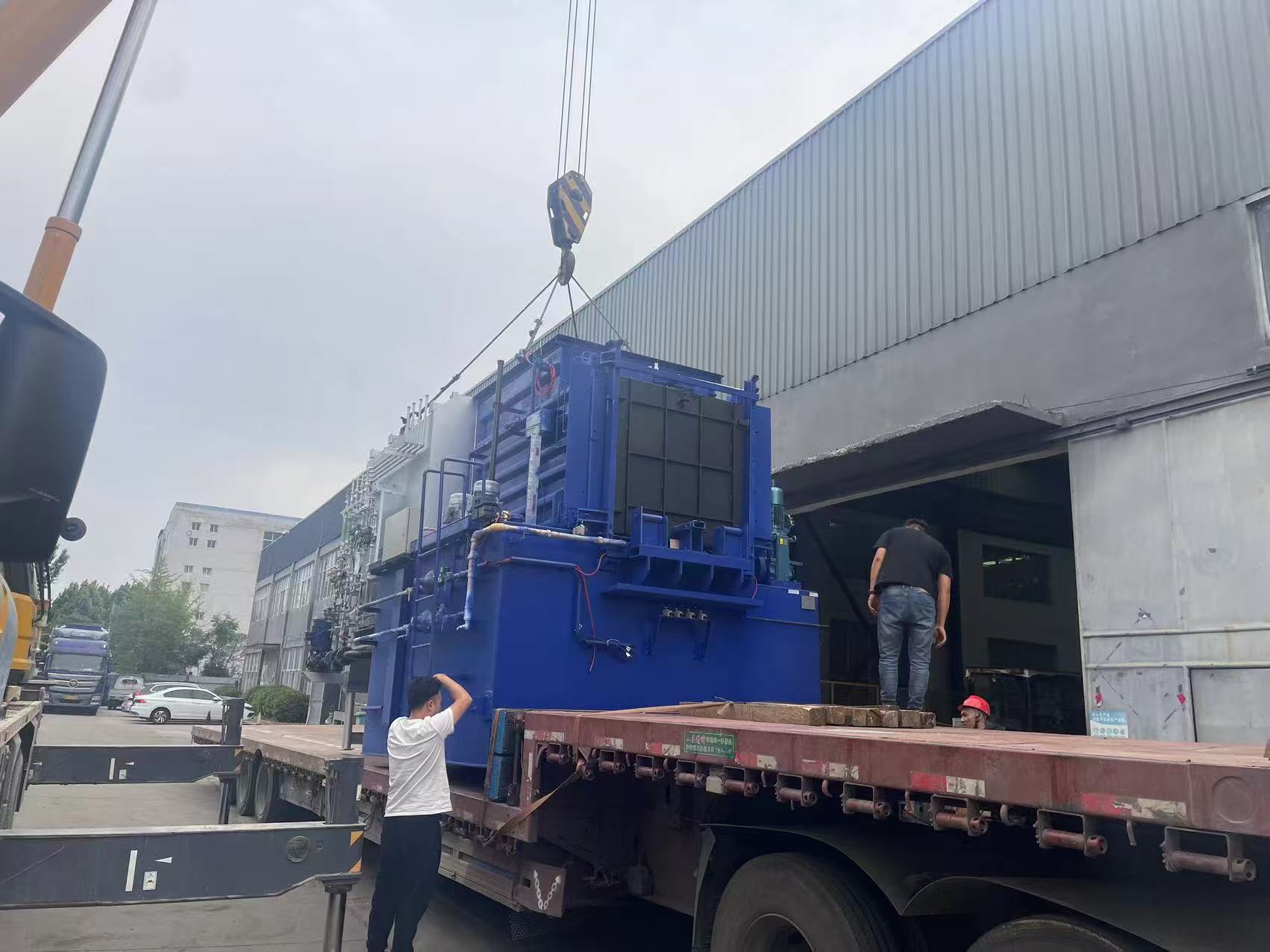
Conclusion: Use Rankings as a Discovery Tool, Not a Shortcut
A top-five atmosphere furnace ranking is built from a chain of evidence: a defined application, mandatory compliance gates, comparable model scopes, anchored star ratings, verified technical facts and written service commitments. When that chain is visible, the ranking helps a buyer discover and challenge suppliers. When it is hidden, the ranking becomes a label that transfers authority without transferring evidence.
NORSEN’s supplied facts give buyers concrete starting points—ISO9001, a 10-engineer R&D team, SiC muffle chain dual-drive design, intelligent atmosphere control, model range, production capacity and export experience. They do not answer every ranking question. The next step is to request the model-specific evidence, acceptance criteria and written commercial terms that would justify a star in the buyer’s own evaluation.
Have Questions or Need More Details?
Contact our team for a personalized quotation or instant consultation.
Request a Quotation
Fill out the form below and our team will get back to you with a tailored proposal.
WhatsApp Direct Chat
Prefer to chat in real-time? Message us on WhatsApp for instant assistance & quick answers.
- Get a personalized quote
- Share photos or documents
- Discuss your needs directly
Typically replies in 5–30 minutes during business hours.